Watch Reacher - Season 4 (2026) on amazon Prime!

Showing posts with label diabetes. Show all posts

Health Benefits of Honey

November 08, 2024

honey
Honey

Nutritional Healthy

Honey, a nutritional healthy product, is produced mainly by two types of bees: honey bee and stingless bee, has been recognized for its medicinal properties for thousands of years. Meanwhile, An essential pollinator of our food crops is the honey bee. Honey bee pollination contributes either directly or indirectly to nearly one-third of our food supply.

Nutritional value per 1 tablespoon (21 g)

NutrientsAmountNutrientsAmount
Water3.59 gCalories64 kcal
Energy267 kJProtein0.06 g
Ash0.04 gCarbohydrate17.30 g
Sugars17.25 gSucrose0.19 g
Glucose7.51 gFructose8.60 g
Maltose0.30 gGalactose0.65 g
Calcium, Ca1 mgIron, Fe0.09 mg
Phosphorus, P1 mgPotassium, K11 mg
Sodium, Na1 mgZinc, Zn0.05 mg
Copper, Cu0.008 mgManganese, Mn0.017 mg
Selenium, Se0.2 µgFluoride, F1.5 µg
Vitamin C0.1 mgRiboflavin0.008 mg
Niacin0.025 mgPantothenic acid0.014 mg
Vitamin B60.005 mgCholine0.5 mg
Betaine0.4 mg

USDA

Products from honeybees, like honey, propolis, and royal jelly, are not only food but also provide significant health advantages against a variety of illnesses. Honey's possible health advantages are discussed, including its effects on other diseases, wound healing, and microbial suppression.

Numerous health advantages associated with gastrointestinal illnesses, allergies, and issues linked to gynecology, oral health, and dermatology have been described for propolis. The preventive properties of royal jelly on wound healing, aging, neurological diseases, and reproductive health are widely recognized.

The ancient Egyptians, Greeks, Romans, and Chinese all utilized honey to treat gastric ulcers and other intestinal lesions. Additionally, it has been used to treat earaches, sore throats, and coughs. Lotus honey has been used traditionally to heal eye infections and other ailments since ancient India.

Honey is utilized both externally and internally as a functional food to support the body's vital organs by supplying energy and nutrients. The quality of honey is significantly influenced by its active ingredients, which include organic acids, glucose, fructose, flavonoids, and polyphenols.

Biological Activities of Honey

Biological activities of honey

Honey has long been used to heal burns, wounds, insect bites, skin conditions, boils, and ulcers. Honey's effectiveness as an antibacterial and wound-healing agent is confirmed by scientific evidence of its wound-healing properties. The proteolytic enzyme is dynamically expressed when honey stimulates the wound matrix's latent plasminogen to become active. Plasmin destroys fibrin and causes blood clots to retreat. This enzyme breaks down fibrin clumps in the wound bed that have dead tissues adhering to them.

Clinical data demonstrating honey's efficacy, specificity, and sensitivity in wound treatment shows that honey works better than both traditional and contemporary wound care dressings. Fast healing, wound cleansing, infection removal, tissue regeneration, reduced inflammation, and improved dressing comfort because of less tissue adhesion are among the therapeutic benefits seen following honey administration.

365 by Whole Foods Market, Organic Light Amber Wildflower Honey
365 by Whole Foods Market, Organic Light Amber Wildflower Honey.

Honey also improves the epithelialization of the affected skin surface, which helps to reduce skin deterioration around stomas like ileostomy and colostomy. Honey helps with psoriasis, eczema, and pediatric dermatitis brought on by overuse of diapers and napkins. Researchers looked into how honey combined with beeswax and olive oil affected those who had atopic dermatitis or psoriasis.

According to a clinical trial, a honey-based mixture produced notable gains and was incredibly well tolerated. Numerous nitric oxide metabolites found in honey lower the risk of skin infections in people with psoriasis.

Enzymes that aid in the absorption of substances like sugars and starches make up natural honey. Honey contains sugar molecules that are easily absorbed by the body. Honey contains minerals, phytochemicals, and flavonoids that promote digestion.

Honey is utilized in wound management and is useful for patients with locally infected wounds, diabetic foot ulcers, Charcot foot ulcerations, and complex comorbid disorders that have failed hospital treatment. Additionally, the presence of honey results in low damage to the wound bed and great tolerability.

MANUKA DOCTOR - Raw Manuka Honey MGO 30+ SQUEEZY, 100% Pure New Zealand Honey
MANUKA DOCTOR - Raw Manuka Honey MGO 30+ SQUEEZY, 100% Pure New Zealand Honey.

Honey can be used to treat a variety of oral disorders, including periodontal disease, stomatitis, and halitosis. Furthermore, it has been used to prevent periodontitis, gingivitis, mouth ulcers, and dental plaque. Honey's antibacterial and anti-inflammatory qualities can promote granulation tissue formation, which will help damaged cells heal.

Gastroesophageal reflux disease (GERD)
A mucosal infection caused by aberrant stomach reflux into the esophagus or lungs. Acid regurgitation, irritation, and heartburn are signs of GERD. Honey helps with this illness by covering the lining of the stomach and esophagus, which stops food and gastric juice from flowing upward. In order to aid in the regeneration of the sphincter's tissues and ultimately lessen the likelihood of acid reflux, honey might further stimulate them.

Dyspepsia
A chronic condition in which the gastrointestinal organs, primarily the stomach and first part of the small intestine, function improperly. It is a condition that manifests as nausea, bloating, heartburn, and epigastric pain.

According to clinical studies, honey enhanced the healing effect and reduced the production of stomach acid. Because of its antimicrobial qualities and preventive effects, honey is therefore consumed as a nutritional supplement.

Gastroenteritis
Often known as stomach or gastric flu, is characterized by inflammation of the digestive tract. Foodborne, waterborne, and person-to-person transmission of infectious pathogens could be the cause of this illness. Gastric pains, bloating, watery diarrhea, dehydration, and nausea are all signs of gastroenteritis.

According to a clinical trial, honey can be used to treat infantile gastroenteritis. Because honey's high sugar content promotes electrolyte and water reabsorption in the gut, the study discovered that substituting honey for the glucose in the usual electrolyte oral rehydration solution shortened the recovery period for gastroenteritis patients.

Nate's 100% Pure, Raw & Unfiltered Honey
Nate's 100% Pure, Raw & Unfiltered Honey.

Chronic constipation
A frequent and multifaceted disorder marked by painful defecation (irregular stools and difficult stool passage). Symptoms of difficult stool passage include lumpy or hard stools, a feeling of incomplete evacuation, straining, and a prolonged time to pass stool. A excessive number of bowel movements with watery stool is called diarrhea. Compared to traditional antiviral treatment, honey has reduced the pathophysiology and duration of viral diarrhea.

Honey can relieve pain, normalize hepatic processes, and eliminate poisons. The cause of hepatic system complications is oxidative damage. Honey may help heal damaged livers since it has antioxidant properties. Heart problems and vasomotor dysfunctions brought on by adrenaline can be prevented and treated with natural wild honey.

The use of honey was found to significantly lower the risk factors for cardiovascular and metabolic disorders. Vasoprotective benefits of honey include vasodilation, vascular homeostasis balance, and lipid profile improvements. Honey's flavonoids boost high-density lipoproteins (HDL), inhibit oxidation of low-density lipoproteins (LDL), improve endothelial activities, diminish platelets' capacity to form clots, and promote coronary vasodilation. (Pasupuleti VR et al. 2017)

100% Pure New Zealand Manuka Honey
100% Pure New Zealand Manuka Honey.

The Miracle Moringa

November 25, 2016

Moringa oleifera
(a) A tree of Moringa oleifera, (b) Moringa flowers and leaves.

Moringa oleifera Lam. is a miracle plant, native to the Indian subcontinent, where its various parts are valuable for food and medicine. Moringa is also called plant that never die, due to its ability to survive harsh weather and drought. In Indonesia, moringa is known as kelor. Kelor, in Javanese tradition, is often to be connected with its magical, or supranatural properties.

Moringa is also known as drumstick tree, horseradish tree, clarifier tree, ben oil tree, and benzoil tree. Other common names of moringa, includes, Kalor, Merunggai, Sajina (Malay), Chùm ngây (Viet), Ma-rum (Thai), Malunggay (Tagalog), Sahjan (Hindi), Surajana (Sanskrit), Sajiwan, Swejan (Nepali). Moringa can grow either, in lowland, or highland up to 1000 m above sea level, and reach a height of 7–12 m.

The seed of moringa is said to be eaten like a peanut, in Malaya. Thickened root used as substitute for horseradish. Foliage eaten as greens, in salads, in vegetable curries, as pickles, and for seasoning. Leaves pounded up, to be used for scrubbing utensils, and also for cleaning walls.

In Africa, commonly planted as a living fence tree. Moringa trees planted on graves are believed to keep away hyenas, and its branches are used as charms against witchcraft.

Moringa is called miracle plant, because it has many active substances, or bioactive compounds, such as:

  • Anti-aging.
  • Anti-anxiety, or Anxiolytic.
  • Antibacterial.
  • Antibiotic.
  • Anti-depressant.
  • Antidiabetic
  • Antiepileptic.
  • Antifungal.
  • Anti-hypertensive
  • Anti-hyperthyroidism (substance that inhibits hyperthyroidism, an excessive production of thyroid hormone by the thyroid gland).
  • Anti-inflammation.
  • Antimicrobial.
  • Antioxidant.
  • Anti-progestational (disturbing the phase of the menstrual cycle).
  • Antipyretic.
  • Antiscorbutic (rich in vitamin C).
  • Antispasmodic (substance that relieves, prevents, or lowers the incidence of muscle spasms).
  • Antitumor.
  • Anti-ulcer.
  • Counter-irritant (applied to the skin to provoke a mild inflammation, and relieve deeper pain, either by improving the blood supply, or by interfering with the passage of sensory nerve impulses).
  • Diuretic (promotes the increased production of urine, to help reducing the amount of water in the body, and to lower high blood pressure).
  • Emmenagogue (substance that stimulate blood flow in the pelvic area, and uterus, to promote menstrual discharge).
  • Estrogenic (substance which acting like estrogen).
  • Galactagogue (promotes lactation, in humans and animals).
  • Hepatoprotective.
  • Hypocholesterolemic (substance that promotes hypocholesterolemia, condition of abnormally low levels of cholesterol in the blood).
  • Hypoglicemic (substance that promotes hypoglycemia, or insulin reaction, or low blood sugar).
  • Purgative (substance that makes you empty your bowels).
  • Rubefacient (substance for external application that produces redness of the skin, by causing dilation of the capillaries, and an increase in blood circulation, to relieve acute, or chronic pain).
  • Stimulant (substance that induce temporary improvements in either mental, or physical functions, or both).


FRESH HEALTHCARE Moringa Oleifera


Moringa History as Folk Medicine

According to NCI's Jonathan L. Hartwell's works of study from 1967–1971, the roots of moringa are used in folk remedies for tumors. In Nicaragua, the root decoction is used to treat dropsy.

Moringa roots are bitter, acrid, and pungent, which act as a tonic to the body and lungs, are taken to promote digestion. Moringa roots are also act as an expectorant, mild diuretic, and a stimulant in paralytic afflictions, epilepsy, and hysteria

Moringa leaves, which have purgative properties, applied as poultice to relieve sores, and rubbed on the temples for headaches. Moringa leaves are used as poultice on the abdomen to expel intestinal worms.

In Guatemala, moringa leaf is used for skin infections and sores. In Malaysia, Puerto Rico and Venezuela, it is used as a cure for intestinal worms. In Nicaragua, moringa leaves are used to cure headache. In Philippines, it is used to cure anemia, glandular swelling and lactation. In Senegal, moringa leaves are used to treat diabetes.

Moringa leaves are rich in vitamins A and C, ß carotene, potassium, calcium, iron and phosphorus.

Moringa leaves have the calcium equivalent of four glasses of milk
The vitamin C content of seven oranges
Potassium of three bananas
Three times the iron of spinach
Four times the amount of vitamin A in carrots
Two times the protein in milk

The decoction of moringa flowers, combined with cow's milk, is an excellent herbal tonic for sexual weakness, and functional infertility of both males, and females. Powdered moringa bark is used to improve quality of semen, and premature ejaculation in male.

Moringa is a natural medicine for digestive disorder. The combination of fresh leaf extract, one teaspoon honey, and one glass of coconut water is an excellent herbal antidote for cholera, diarrhea, dysentery, jaundice, and colitis.

Moringa leaf extract mixed with cucumber, or carrot juice is a natural antidote for dysuria, and high acid percentage in urine. Moringa leaf extract mixed with lime juice is helpful for the treatment for pimples, black head, and age spots. On regular use it adds natural radiance on skin tone.

An ointment which is made from moringa leaves mixed with whiting (calcium carbonate) is used to treat rheumatism. The decoction of fresh leaves extract mixed with one teaspoon honey, and one glass of water is used to treat nyctalopia (night-blindness). An eye drops which are made from moringa leaves extract is used to treat eye-ache.


FRESH HEALTHCARE Moringa Oleifera


Moringa in Javanese Tradition

Dunia Tak Selebar Daun Kelor

Above quote translates in English as The world is not as wide as moringa leaf. Other common English quote, which is similiar to above quote, The world is bigger than your backyard. The meaning is quite simple, that is, the world is not as small as you think it is. Open up your view, and not just being shallow minded people! We all have different parts to make this world a better place. Start from your little place called home.

Moringa or kelor in Javanese tradition, as I have mentioned earlier in this post, is connected with its magical, or supranatural properties. Just like in Africa, which kelor branches are used as charms against witchcraft, Javanese people believed, that kelor trees planted on homeyard, are also used as charms against witchcraft.

Kelor branch with some leaves attached is used to remove supranatural thing inside near death, or coma patient, by hitting the patient's body with the branch. Supranatural thing, or susuk in Javanese term, that I mentioned before, is a kind of silver, or gold needle. Susuk is planted below the skin of elbow, shoulder, foot, arm or face, to use it as charms, for labor job, in sports, for health and longevity.

My Great Grandfather, which I had mentioned about him in my earlier post, who died at the age of 95 years, was also had to be hit with a branch of kelor leaves, to remove the susuk inside his body, in order to give him a peaceful death, in his bed.

Kemade kelor, or in English is known as moringa parasite, is a kind of parasite which is seldom be found on moringa branches. Javanese people believed that kemade kelor have more healing effects than any other parts of moringa tree. Only for those who needed the most, for healing purpose, could found it.

My friend was once told me a story about his neighbour who searched for kemade kelor on a metre of height moringa tree, near his house. His neighbour could not find it anywhere on the tree. But an hour later, his brother searched again the kemade kelor for his brother's friend. His brother managed to find this amazing kemade kelor for his friend. I couldn't find any image in the internet about this magical, and miraculous moringa parasite.

Mustika galih kelor, or in English known as moringa bark fossil, is a stone which is made from moringa bark fossil. The stone could also be found on a 12 m height of hundreds years old moringa tree. Javanese people believed that by wearing the stone, it will gain several magical effects, such as unlimited health, body armour, and charms against witchcraft.


Maju's Organic Moringa Powder Moringa Powder 1LB (16Oz) 100% CERTIFIED Organic Oleifera Leaf - (100% PURE LEAF | NO STEMS) - Raw from Egypt | Smoothies | Drinks | Tea | Recipes - Resealable Bag


Moringa Tea Lemon 30 Bags By Bio Nutrition Incicon Moringa 60 Vegi Caps By Puritan's Prideicon


References:

From The Bitter Taste of Bratawali

November 07, 2013

Tinospora cordifolia
Bratawali (Tinospora cordifolia)
Image from Wikimedia.org

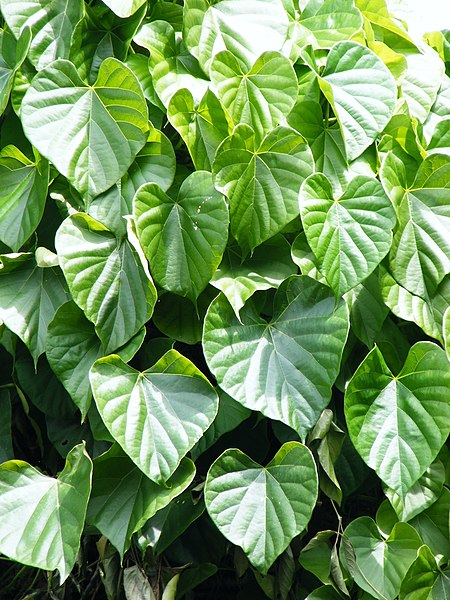
Bratawali (Tinospora cordifolia) is a well known plant in Indonesia. Bratawali is often used as jamu paitan, or Javanese traditional herbal drink, which has a bitter taste. When making jamu paitan, the stems extract of bratawali, is often mixed with mint leaves.

Common bratawali names include, brotowali, putrawali, daun gadel (Javanese), andawali (Sundanese), antawali (Balinese), shen jin teng, kuan jin teng (Chinese), guduchi, guluchi, amritavalli, amrta, cinnodbhava, gulvel (India). Bratawali is common used in Ayurvedic, and Traditional Chinese Medicine (TCM), as a herbal remedy.

The Javanese's jamu paitan makers often promote bratawali, as a herbal remedy for lowering the risk of having diabetes, and also as a blood cleansing agent. Below are some studies which demonstrated the effects of bratawali.

Animal Studies

Study by Department of Anatomy, Faculty of Medicine, Universiti Kebangsaan Malaysia, Kuala Lumpur, Malaysia, was conducted to determine the effect of ethanolic extract of the dried stems of bratawali, in a male rat model of hepatic fibrosis, caused by the hepatotoxin, thioacetamide.

The results showed a significant increase in the activity of liver enzymes, bilirubin and G-glutamyl transferase and gross. The histopathological changes were also determined. (Kadir FA, et al. 2011)

Diabetes mellitus often leads to disability from vascular complications and neurological complications. A study by Institute of Pharmacology, College of Medicine, National Taiwan University, Taipei, Taiwan, was investigated the hypoglycemic actions of borapetoside C isolated from bratawali.

Three groups of mice were used in the study, normal mice, type 1 diabetes mellitus mice, and type 2 diabetes mellitus mice. Overall, the study proved that borapetoside C can increase glucose utilization, delayed the development of insulin resistance and enhanced insulin sensitivity.

The activation of IR-Akt-GLUT2 expression, and the enhancement of insulin sensitivity, may contribute to the hypoglycemic action of borapetoside C, in diabetic mice. (Ruan CT, et al. 2012)

Recent follow up study by Ruan CT, et al. aimed to explore the hypoglycemic effects of borapetoside A, the most active diterpenoid among others (borapetosides B, and C), which isolated from the ethanol extract of bratawali.

The study resulted that borapetoside A was shown to increase the glycogen content and decrease the plasma glucose concentration, in a concentration, or dose-dependent manner, both in vitro, and in vivo.

The hypoglycemic effects in the normal mice, and the mice with type 2 diabetes mellitus were associated with the increases of the plasma insulin levels. But, the insulin levels remained unchanged in the mice with type 1 diabetes mellitus. (Ruan CT, et al. 2013)

A study by Department of Physiology, Faculty of Science, Prince of Songkla University, Hat-Yai, Songkhla, Thailand, was aimed to identify the active components of bratawali extract, and to investigate the mechanisms of the actions, on blood pressure, and heart rate, in anesthetized rats.

Five active compounds, adenosine, uridine, salsolinol, higenamine, and tyramine, which were isolated from bratawali, acted in concert on the cardiovascular system of anesthetized rats. (Praman S, et al. 2012)

Follow up study by Praman S, et al. resulted that bratawali extract caused an increase in the force of contraction of the electrical field stimulated left atrium. The study concluded that crude extracts of bratawali exert a positive inotropic effect, on the electrical field stimulated isolated left atria.

The results were also from the concerted actions of five bratawali bioactive compounds: higenamine, salsolinol, tyramine, adenosine and uridine. (Praman S, et al. 2013)

Human Study

Although several studies using rats or mice were successfully, but not in human study. So far, I only managed to find a study by Department of Medicine, Ramathibodi Hospital, Faculty of Medicine, Mahidol University, Bangkok, Thailand. The study aimed to determine the effects of bratawali on serum glucose, and insulin levels, in healthy subjects, and patients with type 2 diabetes mellitus.

Serum from ten healthy subjects, and ten diabetic participants, who had fasted overnight. The serums were obtained every 30 to 60 minutes during the 3 hours of continued fasting, and during the 3 hours after ingestion of 75g of glucose. With or without ingestion of 125g, or 250g of bratawali dry powder capsule. Glucose, and insulin levels were analyzed. The areas under the curve for mean serum glucose, and insulin levels, were also calculated.

Both healthy and diabetic participants were not significantly different between with, or without bratawali dry powder capsule. The results suggested that bratawali ingestion cannot affect serum glucose, and insulin levels, in healthy subjects, or patients with type 2 diabetes mellitus. (Klangjareonchai T, et al. 2012)

Further studies using human subjects are needed to give more valuable information, in regarding the health benefits of bratawali.


biXa Guduchi Powder Sandhu's Guduchi

Obsessive Corbuzier's Diet

September 10, 2013

Deddy Corbuzier
Deddy Corbuzier in 2009, before doing OCD

Deodatus Andreas Deddy Cahyadi Sunjoyo, or known as Deddy Corbuzier, an Indonesian mentalist, actor, and host of a TV program Hitam Putih, in Trans7, who received the prestigious Merlin Award from the International Magicians Society, in 2010. Also with Rizuki, the winner of The Master season 3, a magic talent show, in which Corbuzier became one of the judges, also received the Merlin Award, in 2010.

Merlin Award is like the magicians's Oscars. Previous winners include, David Copperfield, Criss Angel, Peter Marvey, Max Maven, and etc. OK, back to topic! In August 2013, Corbuzier wrote an ebook about a healthy diet, which titled Obsessive Corbuzier's Diet (OCD). Instead of calling it as a healthy diet, Corbuzier considered OCD as an ancient sacred way of life.

A Forgotten Ancient Chinese Secret

Corbuzier described that OCD was based on a forgotten ancient Chinese secret. It was a cab driver in Hong Kong, who had opened Corbuzier's point of view on how to be forever young and healthy. Corbuzier realized that his struggle, on losing his weight, using healthy diets, and supplements, along with physical exercises at a gym, was completely wrong.

A 68 years old cab driver, who had spent 39 years of his life, in Chinese Buddhist temple, as a Shaolin monk, had amazed him. The cab driver, whom Corbuzier thought that he aged of 40 years, believed that healthy diets, supplements, and physical activities, will not make you stay young, healthy, and having an ideal body by losing weight.

As a Shaolin monk, the cab driver was used to follow the Vinaya, the rules of the Buddha, Siddhārtha Gautama, by doing an evening fast, or not to eat a meal in the evening, so that, he will be aware of good health, being without illness, having strength, and living in comfort.

OCD Means Fasting

Deddy Corbuzier
Deddy Corbuzier after doing OCD

Corbuzier said that OCD means fasting, by eliminating breakfast in the morning, or at least three hours after wake up. He believed that breakfast means break fasting, and not eating in the morning. In his ebook, Corbuzier said that, Eating at 2 pm will be considered as breakfast, if you just wake up. But, not if you had already woken up since 8 am.

There are four levels of OCD fasting, 16 hours, 18 hours, 20 hours and 24 hours. When doing the OCD fasting, drinking water, tea, or coffee without sugar are allowed, as long as there are no calories intake, or calorie restriction, such as drinking milk. Corbuzier had tried the OCD fasting for three months before he wrote the ebook.

In his first week, Corbuzier skipped the OCD fasting to the second level of 18 hours of fasting, due to the first level was too easy for him. At the six hours of eating time, he started at 3 pm for breakfast, and stopped eating at 9 pm.

At the second week, Corbuzier moved to third level of 20 hours of fasting. Breakfast at 3 pm and started fasting at 7 pm. He once failed of doing the third level of fasting, and back to second level, by starting to fast at 9 pm.

At the third week, Corbuzier managed to combine the third and forth level of OCD fasting. Once in a week, he did a full day fast. For example, start fasting at 4 pm until the 4 pm of the next day.

By the forth week, Corbuzier did the same as the third week, but he did a full day fast, for twice a week.

The Health Benefits of Fasting

OCD is considered to be an intermittent fasting technique, an alternate day fasting, a pattern of eating between periods of fasting, and non fasting. The fasting usually means calorie restriction, and to consume only water, or low calories drinks, such as, black coffee.

A study found that by eating less, and more than needed on alternate days, will prolong life. This is another secret of extending life, just like in my previous post. By restricting calorie intake, up to 70% of normal adult weight maintenance requirement, will confer a perfect health, and prolong lifespan up to 50%.

The study had observed several health benefits starting as two weeks, in insulin resistance, asthma, seasonal allergies, infectious diseases, tonsillitis, chronic sinusitis, periodontal disease, rheumatoid arthritis (autoimmune disorder), osteoarthritis, cardiac arrhythmia (irregular heartbeat, or abnormal heart rhythm), menopause related hot flashes (a sudden feeling of warmth spreading all over the face and upper body), and symptoms due to CNS (central nervous system) inflammatory lesions, such as, Tourette syndrome (neurological disorder), and Ménière's disease (hearing disorder).

The study also hypothesized that other conditions would be delayed, prevented or improved, including Alzheimer's, Parkinson's, multiple sclerosis, brain injury due to thrombotic stroke atherosclerosis, NIDDM (non insulin dependent diabetes mellitus, form of diabetes, in which insulin production is inadequate, or the body becomes resistant to insulin), and congestive heart failure (condition when the heart cannot pump enough blood to the body). Moreover, the study believed that this pattern of eating has proven to be a good method of weight control. (Johnson JB, et al. 2006)

Fasting and Chronic Diseases

Another study reviewed animal and human evidence concerning alternate day fasting, and the risk of certain chronic diseases, such as type 2 diabetes, cardiovascular disease (CVD), and cancer. The following are the review results:

In term of diabetes risk

  • Animal Studies find lower diabetes incidence, lower fasting glucose, and insulin concentrations, effects that are comparable to those of calorie restriction.
  • Human trials have reported greater insulin mediated glucose uptake, but no effect on fasting glucose, or insulin concentrations.

In term of CVD risk

  • Animal studies show lower total cholesterol, lower triacylglycerol concentrations, a lower heart rate, improved cardiac response to myocardial infarction, and lower blood pressure.
  • Although there are limited in human evidences, alternate day fasting suggests higher HDL cholesterol concentrations, and lower triacylglycerol concentrations, but no effect on blood pressure.

In term of cancer risk

  • Animal studies found decreases in lymphoma incidence, longer survival after tumor inoculation, and lower rates of proliferation of several cell types.
  • There is no human evidence.

The findings in animals suggest that alternate day fasting may effectively prevent chronic diseases, in which similar to that of calorie restriction. (Varady KA, et al. 2007) Moreover, other study which published in 2009, by Johnson JB, et al., hypothesized that a pretreatment of two to three weeks with the alternate day modified fast, will improve outcomes in cancer chemotherapy, decreasing morbidity and raising cure rates. (Johnson JB, et al. 2009)

I had done once in my lifetime, a full day fast, in order to open my sixth sense, by my uncle's Guru, in Bantul, Yogyakarta. My fast was started after the sunset, until break fasting with only using a white chicken egg yolk, that I brought from home, and a cup of water, in the next day sunset. I ate an hour later, after we both left the Guru's house.

I also did several fasting when I was young, especially at my weton day (Javanese day) of birth, for three days, the day before until the day after. The fasting was started after the sunset, until break fasting after sunrise, or called as an evening fast.

I had read the ebook, and found that it was very reasonable to try. You can download the ebook for free by visiting here on web archive. The book is written in Bahasa Indonesia, and in English for the reference sources.


All photos are private collections of Deddy Corbuzier.


Disclaimer: This information is not a medical advise, and based on personal experience of Deddy Corbuzier, a non medical practitioners. The OCD fasting technique is not advised for pregnant women, breastfeeding mom, workers at heavy labor, and people who are very sick, where fasting would be considered dangerous. You must consult with your doctor before doing OCD fasting to lose weight, in regarding to your medical records, and for your own safety!

The Obesity Epidemic

August 15, 2013

Fat Guys

Obesity and Diabetes

Obesity is often associated with the high risk of having chronic diseases, such as, diabetes mellitus, and cardiovascular diseases. And then, thin people or vegetarians may have a lower risk of diabetes? No. Obesity may not be the main factor.

A healthy lifestyle will determine the quality of human health. Even in a vegetarian, who is also doing regular exercises, may not lower the risk of diabetes, if the main cause is genetic. It is a fact that, human genes, and family history of diabetes, are associate with the risk of diabetes.

Clinical controlled trials had shown solid evidence that type 2 diabetes is a disease of fatness. A five % of weight loss is sufficient to prevent most obese subjects with impaired glucose tolerance, in developing type 2 diabetes. Type 2 diabetes is obesity dependent, and obesity is well understood aetiology (study of causation), as the main cause of type 2 diabetes. (Astrup A, et al. 2000)

However, ask yourself!
How many times you met with an obese Indian, or Chinese?

An update 2012 data, from International Diabetes Federation showed that, there were 33.4 million men, and 29.6 million women with diabetes, in India. Also, there were 51.5 million men, and 40.8 million women with diabetes, in China.

While in my country of Indonesia, from about 300 million population, there were 3.2 million men, and 4.4 million women with diabetes, aged 20 to 79 years. In the US, there were 12.2 million men, and 11.9 million women with diabetes. (IDF)

According to the article published in 2009, by the Division of Endocrinology, Diabetes, and Metabolism, Department of Medicine, University of Colorado Denver, the US generations might have a shorter life expectancy than their parents, if the obesity epidemic is not controlled.

Because, 35.1% of adults in the US, were classified as obese. In children, obesity will continue to increase steadily. The study showed that obesity may become the most difficult public health issues in the US. (Catenacci VA, et al. 2009)

Link Between Obesity and Prostate Cancer

The US Health Professionals Followup Study reported an inverse association between obesity, and the risk of developing prostate cancer, in men under 60 years of age, or in those with a family history of prostate cancer. The study found that body mass does not appear to affect the performance of prostate specific antigen as a diagnostic test. But, a lower body mass is associated with a higher cancer detection rate, on a prostate biopsy.

Although, several mechanisms have been proposed to explain the link between obesity and prostate cancer, including, hormonal alterations, hyperinsulinemia (high levels of insulin in the blood), glucose intolerance (inability to metabolize glucose), elevated IGF (insulin-like growth factor, hormone which exert an effect on bone cell metabolism), and leptin (hormone made by fat tissue, that acts on brain to regulate food intake, and body weight) levels, but, the mechanism which explains the association between obesity, and prostate cancer remains unclear. (Amling CL. 2005)

However, an article which published two months earlier, supported the hypothesis, that obesity is inversely associated with prostate cancer risk, in middle aged men. The study used the interviews from 753 men, aged 40 to 64 years, that were diagnosed with prostate cancer between 1993 and 1996. (Porter MP, et al. 2005)

Obesity and Coronary Heart Disease

We cannot control from where we get our genes, and healthy lifestyle may not prevent us from getting diabetes. But, a healthy lifestyle may prevent us from getting coronary heart disease (CHD). High blood cholesterol, high blood pressure, overweight and obesity, are controllable risk factors of CHD.

A healthy diet and having regular exercise, can help maintaining a healthy weight, in which helps to control CHD risk factors. Five to ten % loss of body weight can lower the risk of CHD. Overweight children and teens are associated with the high risk of CHD, and may also have a shorter life expectancy than their parents, if their weight gain rates are not reduced. However, personally reducing calorie diets are not advised, unless approved by a physician. (NHLBI)


Image credit: Shakespeare's Monkey

Dietary Intake of Vitamin D Against Diabetes and Cancer

August 02, 2013

NOW Foods Vitamin D-3

What is Vitamin D?

Vitamin D, or widely known as sunshine vitamin, is technically not a vitamin. Because cholecalciferol, or vitamin D3, can be made naturally by the body when the skin is exposed to sunlight. Vitamin D can also be obtained from foods and supplements.

Nowadays, some fortified foods have added with vitamin D, such as, milk, cereal, yogurt, orange juice, cheese, and margarine. Natural vitamin D is also found in cod liver oil, meat, egg yolk, and several fatty fishes, such as tuna, swordfish, salmon, mackerel, and sardines.

Tolerable Upper Daily Intake Levels of Vitamin D

The following are dietary reference intakes (DRIs), tolerable upper daily intake levels of vitamin D, by the US Food and Nutrition Board, Institute of Medicine, National Academies :

  • Infants (0 to 6 months) => 25 μg (1000 IU)
  • Infants (7 to 12 months) => 38 μg (1520 IU)
  • Children (1 to 3 years) => 63 μg (2520 IU)
  • Children (4 to 8 years) => 75 μg (3000 IU)
  • As for people aged above 8 years, pregnant women, and breastfeeding mom => 100 μg (4000 IU)

μg = microgram; 1 μg = 40 International Units (IU) ([PDF] ULs for Vitamins and Elements)

Benefits of Vitamin D?

Unlike the safety of vitamin D that we obtained from the Sun exposure, having excessive intake of vitamin D from dietary supplements, may cause toxicity. The following are several benefits of vitamin D:

  • To promote calcium absorption in the small intestine.
  • To maintain adequate serum calcium and phosphate concentrations for bone formation, mineralization, growth, and repair.
  • To improve muscle strength.
  • To prevent rickets (a disease characterized by a failure of bone tissue to properly mineralize, resulting in soft bones and skeletal deformities) in children, and osteomalacia (a condition which can cause bone pain and muscle weakness), and osteoporosis in adults.
  • To reduce inflammation and improve immune function.
  • To prevent cancers, diabetes, osteoarthritis progression, multiple sclerosis, hypertension, and secondary hyperparathyroidism (a disorder in which the parathyroid glands in your neck produce too much parathyroid hormone).

Vitamin D Deficiency

Vitamin D deficiency can occur when the usual intake is lower than recommended levels, for example, the limited of sunlight exposure, especially in the subtropical climate area. Milk allergy, lactose intolerance, ovo-vegetarianism, and veganism, are also associated with vitamin D deficiency.

People with dark skin may also at high risk in developing vitamin D deficiency, due to pigment melanin in dark skin people, will reduce the skin's ability to produce vitamin D from sunlight. The elder people might also experience the same thing as the dark skin people. Due to aging, the skin of elder people cannot synthesize vitamin D as efficiently as when they were young.

Vitamin D deficiency is very common in children with cancer. Recent clinical study had shown that the incidence of hypovitaminosis in pediatric cancer patients was 72%. Early detection and supplementation could benefit to high risk patients. (Helou M, et al. 2013)

Vitamin D and Diabetes

Dietary intake of vitamin D supplementation is associated with reducing the risk of type 1 diabetes in animals. A study aimed to demonstrate whether vitamin D supplementation, or vitamin D deficiency in infancy, could affect the development of type 1 diabetes.

The data of 12,055 pregnant women who gave birth, in 1966, in Oulu and Lapland, northern Finland, were collected and diagnosed the development of type 1 diabetes, in December, 1997. From 10,366 children who were analysed, 81 were diagnosed with diabetes during the study. The study ensured that vitamin D supplementation for infants could help to reduce the incidence of type 1 diabetes. (Hyppönen E, et al. 2001)

Another study aimed to investigate calcidiol, or 25-hydroxyvitamin D [25(OH)D], associated with insulin sensitivity and beta cell function. The study among 126 healthy people living in California, had shown a positive correlation of calcidiol with insulin sensitivity and a negative effect of hypovitaminosis D on beta cell function. Hypovitaminosis D subjects may have higher risk of insulin resistance and the metabolic syndrome. (Chiu KC, et al.2004)

83,779 women without history of diabetes, cardiovascular disease, or cancer, were studied for the development of type 2 diabetes. Vitamin D and calcium intake from diet and supplements was assessed every two to four years. During 20 years of follow up, there were 4,843 incident cases of type 2 diabetes.

The collected data had shown that daily intake combination of >1,200 mg calcium and >800 IU vitamin D was associated with a 33% lower risk of type 2 diabetes. The study suggested that vitamin D and calcium intake will potentially benefit in reducing the risk of type 2 diabetes. (Pittas AG, et al. 2006)

Vitamin D and Cancer

A phase II study was demonstrated to determine the pain associated with prostate cancer bone metastasis, and muscle strength parameters, in respond to vitamin D supplementation. The patients were given 2,000 IU oral vitamin D, daily for 12 weeks. The study concluded that vitamin D supplementation may be a useful adjunct for improving pain, muscle strength and quality of life. (Van Veldhuizen PJ, et al. 2000)

A trial using calcium and vitamin D supplementation was demonstrated among 36,282 postmenopausal women. 18,176 women received daily 1000 mg calcium, and 400 IU vitamin D3 supplementation. The other 18,106 women received a placebo for an average of seven years.

The trial resulted that the incidence of invasive colorectal cancer did not differ significantly between women assigned to calcium plus vitamin D supplementation and those assigned to placebo. (Wactawski-Wende J, et al. 2006)

Another randomized placebo controlled trial was demonstrated the efficacy of calcium supplement, and calcium plus vitamin D, in reducing cancers risk. The trial was conducted among 1,179 healthy postmenopausal women aged 55 years or older.

The participants were randomly assigned to receive either, only 1500 mg calcium supplement, a 1500 mg calcium plus 1100 IU vitamin D3 supplement, or a placebo, everyday for four years. The trial, which was also registered at clinicaltrials.gov (NCT00352170), had concluded that the improvement of calcium and vitamin D nutritional status, was related substantially in reducing all types of cancer risk in postmenopausal women. (Lappe JM, et al. 2007)

Several Clinical Trials of Vitamin D

Vitamin D and Fracture Incidence

A randomised double blind controlled trial was conducted to measure fracture incidence and total mortality by cause. The trial was involving 2,037 men and 649 women, aged between 65 to 85 years.

The participants received either 100,000 IU oral cholecalciferol (vitamin D3), or a placebo every four months for five years. The trial resulted that four monthly supplementation, with 100,000 IU oral vitamin D, may prevent fractures without adverse effects in men and women. (Trivedi DP, et al. 2003)

However, another trial among 5,292 people aged 70 years or older, were were randomly received daily 800 IU vitamin D3, or a 1000 mg calcium, or 800 IU vitamin D3 plus 1000 mg calcium, or a placebo. Two years later, 2,886 participants were still taking tablets, 451 had died, 58 had withdrawn, and 1,897 had stopped taking tablets.

But, the collected data from all participants did not support the calcium and vitamin D supplementation, either alone or in combination, for the prevention of fractures in elderly people. (Grant AM, et al. 2005)

Vitamin D to Prevent Weight Gain

Obesity in the U.S. has increased significantly during the past several decades. Also, the promotion that obesity is considered as a disease, and no longer as the linked source of the death triangle of diabetes, heart disease and cancer. A randomized, double-blinded, placebo-controlled trial was performed to observe the role of calcium in the maintenance of a healthy body weight.

36,282 postmenopausal women, aged 50 to 79 years, were randomized at their first, or second annual visit to receive a dose of 1000 mg elemental calcium plus 400 IU of cholecalciferol, or placebo daily. The trial resulted that calcium plus cholecalciferol supplementation has a small effect to prevent weight gain. (Caan B, et al. 2007)

Metabolic Effects of Vitamin D in Pregnant Women

Recently randomized, double blind, placebo controlled clinical trial was conducted in 48 pregnant women aged between 18 to 40 years old at 25 weeks of pregnancy. All participants randomly received either 400 IU cholecalciferol supplements, or placebo, everyday, for nine weeks.

Nine weeks later, the study had concluded that vitamin D supplementation among pregnant women has beneficial effects on metabolic status. (Asemi Z, et al. 2013)

The Danger of Daily Egg Consumption

July 09, 2013

Chicken egg without eggshell
Chicken egg without eggshell.

My friend, let's call him Yuri, loves to eat egg in any form of dishes. But, mostly he loves to eat a boiling egg. Everyday, he used to eat at least three boiling eggs with rice for daily meals.

I once asked Yuri, Have you ever get bore of eating egg everyday? No, I prefer to eat egg rather than meat, Yuri answered.

I did not actually believe to what Yuri had said. But, when I came to his house with my family, in a conversation, his wife told a story about Yuri to my wife and I. A kind of weird story to believe in.

Yuri's wife said, When my neighbour had a feast, my husband was not like everyone else. All my neighbours were taking Goat Satay, and Goat Curry for their meals. But, Yuri only took two pieces of boiling eggs for himself.

My wife and I suddenly laughed with Yuri's habits of eating eggs. I then believed to what Yuri once ever told me.

The Nutritional Value

Colour variety of egg
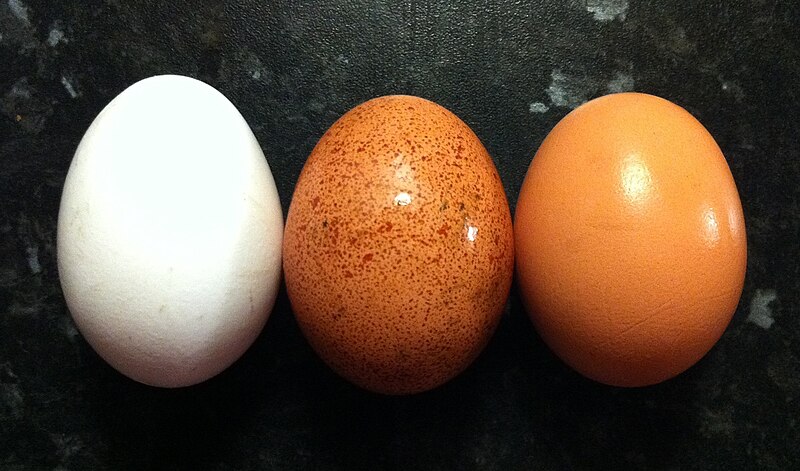
White, speckled, and brown chicken eggs.

Nutritional value contains in hard boiled chicken egg per 100 g:

  • Water : 74.62 g
  • Energy : 155 kcal
  • Total fats : 10.61 g
  • Carbohydrate : 1.12 g
  • Total sugars : 1.12 g
  • Total saturated fatty acids : 3.267 g
  • Total monounsaturated fatty acids : 4.077 g
  • Total polyunsaturated fatty acids : 1.414
  • Total cholesterol : 373 mg
  • Vitamin A : 149 µg
  • Vitamin B1 (thiamin) : 0.066 mg
  • Vitamin B2 (riboflavin) : 0.513 mg
  • Vitamin B6 : 0.121 mg
  • Vitamin B9 (folate) : 44 µg
  • Vitamin B12 : 1.11 µg
  • Vitamin D : 2.2 µg
  • Vitamin E (α-tocopherol) : 1.03 mg
  • Vitamin K (phylloquinone) : 0.3 µg
  • Niacin : 0.064 mg
  • Calcium (Ca) : 50 mg
  • Iron (Fe) : 1.19 mg
  • Magnesium (Mg) : 10 mg
  • Phosphorus (P) : 172 mg
  • Potassium (K) : 126 mg
  • Sodium (Na) : 124 mg
  • Zinc (Zn) : 1.05 mg

Source: USDA

The Scientific Studies

Egg is considered to be a complete food, due to rich in many nutrients, and economically accessible. The cholesterol value in egg has important properties for human. But, the reduction in egg consumption has been widely recommended to lower blood cholesterol levels and to prevent coronary heart disease (CHD).

A study in Harvard Medical School among 37,851 men aged 40 to 75 years, and 80,082 women aged 34 to 59 years, free of cardiovascular disease, diabetes, hypercholesterolemia, or cancer, had documented 866 incident cases of CHD and 258 incident cases of stroke in men after 8 years later. Also 939 incident cases of CHD, and 563 incident cases of stroke in women after 14 years later.

The study found no evidence about the link between egg consumption and risk of CHD, or stroke in either men, or women. Harvard scientists also suggest that consumption of up to 1 egg per day, is unlikely to have substantial overall impact on the risk of CHD or stroke among healthy men and women. (Hu FB, et al. 1999)

In the other hand, daily egg consumption is is likely to have an impact on the risk of diabetes mellitus. Still in Harvard Medical School, a study among 20,703 men, and 36,295 women, had found that high levels of daily egg consumption are associated with an increased risk of type 2 diabetes in men and women. (Djoussé L, et al. 2009)

However, a continuous study by Djoussé L, et al. published in 2010, had found that there was no association between egg consumption and increased risk of incident type 2 diabetes, in older adults with limited egg intake. (Djoussé L, et al. 2010)

Several studies have also suggested that higher egg consumption may increase the risk of cancer. In a multisite case control study in Uruguay, between 1996 and 2004, had found an association between higher intake of eggs and increased risk of several cancers. (Aune D, et al. 2009)

I assume that everything which are taken excessively might have negative side effects. In the case of Yuri's egg consumption, even though Yuri's favorite egg dish of boiling egg, in which is healthier than sunny side up (fried chicken egg), half cooked egg, or even raw egg, but, his daily three eggs consumption should be reduced.

So, what do you think about it? Do you love to have sunny side up for breakfast? Well, I don't. I really hate to eat half cooked egg, or even raw egg. Because in an half cooked egg, or raw egg might still consist Salmonella bacteria, that can cause severe food poisoning.


All images from Wikimedia.org

The Health Benefits From A Roadside Tree of Kersen

June 29, 2013


Muntingia calabura Linn. (Kersen)

I never thought before that this kersen, an Indonesian name for the tree of Muntingia calabura Linn., has so many health benefits. The kersen trees are fast growing fruit trees. Kersen tree could grow up to 3 m high within two years. Kersen are commonly planted in roadsides, or parking lots. Kersen leaves, barks, flowers and roots have been used as a folk remedy to treat fever, cold, liver disease, and use as an antiseptic agent in Southeast Asia.

A Tree With Hundreds of Names

Since I was a child, I knew kersen by the name of keres. The Dutch was used to call it as Japanse kers (Japanese cherry), and Indonesian people then called it as kersen, or keres. Although some Indonesian would call it as talok, baleci, or ceri jawa (Javanese cherry).

Kersen is widely cultivated, and thoroughly naturalized in many places around the world, which made kersen is thought by the local people to be native. The fact, kersen is native to southern Mexico, Central America, the Caribbean and tropical South America.

In its originate country of Mexico, where kersen is sold in the market, kersen is known by the name of capolin, palman, bersilana, jonote, or puan. Can you believe it? Five different names for just a tree.

Other common names around the world include:

  • Jamaican cherry, Panama berry, Singapore cherry, Bajelly tree, Strawberry tree (common English names).
  • Datiles, alatris, aratiles, manzanitas and sarisa (Philippines).
  • Chitató, majagüito, chirriador, acuruco, tapabotija and nigua (Colombia).
  • Majagua, majaguillo, mahaujo, guácimo hembra, cedrillo, niguo, and niguito (Venezuela).
  • Bolina, iumanasa, yumanaza, guinda yunanasa, or mullacahuayo (Peru).
  • Takop farang, or ta kob farang (Thailand), kakhop (Cambodia), cay trung ca (Vietnam),kerukup siam, or Japanese cherry (Malaysia),Chinese cherry (India), and jam fruit (Ceylon).
  • Capulin blanco (Guatemala and Costarica), capulin de comer (El Salvador), pasito, or majagüillo (Panama), nigüito (Ecuador), calabura, or pau de seda (Brazil), capulina, or chapuli (Cuba), cedrillo majagua (Argentina),bois d' orme, or bois de soie marron (Haiti), memiso, or memizo (Dominican Republic), bois ramier, or bois de soie (Guadeloupe). (Morton, J. 1987)

The Health Benefits of Kersen

Anti-diabetic Effect

An undergraduate thesis from Indonesian student of Malang Muhammadiyah University, had demonstrated the anti-hyperglicemic and anti-diabetic properties of kersen. The study resulted the efficacy of kersen fruit juice in lowering blood glucose levels in rats. (Verdayanti TE, 2009)

Cardioprotective Effect

Kersen leaves are reported potentially to possess antihypertensive effect. The methanol leaf extract of kersen had been studied to demonstrate its antihypertensive effect in anesthetized spontaneously hypertensive rats. The study resulted that the activation of sGC (soluble Guanylyl Cyclase)/cGMP (cyclic Guanosine MonoPhosphate)/PKG (Protein Kinase G) signaling pathway may participate in kersen biphasic (two separate phases) cardiovascular effects. (Shih CD, 2009)

A study in Srimad Andavan Arts and Science College, Tiruchirappalli, Tamil Nadu, India, had confirmed the cardioprotective effects of kersen leaves extract against isoproterenol-induced myocardial infarction (heart attack) in rats. (Nivethetha M, 2009)

Anti-cancer Effect

Kersen leaves possess potential antiproliferative and antioxidant activities due to its high content of phenolic compounds. The aqueous, chloroform and methanol extracts of kersen leaves had been studied using Microculture Tetrazolium (MTT) assay in Universiti Putra Malaysia, Selangor, Malaysia.

The aqueous and methanol extracts of kersen leaves inhibited the proliferation of breast (MCF-7), cervix (HeLa), colon (HT-29), and leukemia (HL-60 and K-562) cancer cells lines. Meanwhile, the chloroform extract only inhibited the proliferation of breast (MCF-7), cervix (HeLa), and leukemia (HL-60 and K-562) cancer cells lines.

But, all extracts were failed to inhibit the breast (MDA-MB-231) cancer cells proliferation, and did not inhibit the proliferation of normal (3T3) cells, in which indicated its safety. (Zakaria ZA, et al. 2011)

So, how do you call kersen in your country? Have you ever try to eat kersen fruit? You should try it now. Because, when you are in Mexico, you will have to buy for this tropical climate fruits, which easily to find in every roadsides in my country.

Tomato Rich Diets Against Diabetes, CVD, and Cancer

June 17, 2013

Red Tomato
Red Tomato

Tomato (Solanum lycopersicum Linn.) is considered as a vegetable, rather than its botanically as a form of fruit, due to it is mostly used as an ingredient for culinary purposes. Tomato, which in Bahasa Indonesia is known as tomat, has other binomial synonyms, such as, Lycopersicon lycopersicum (L.) H. Karst., and Lycopersicon esculentum Mill.

When I ate tomato as a dessert, first I sliced a tomato into four pieces, put them in a glass, added with few sugar, crushed and mixed the tomato with spoon, and enjoyed it. That's how I used to enjoy eating tomato, besides of having it as a fruit juice.

There are many health benefits of tomato, including the protection from tumors at various anatomy have been attributed to tomato. According to several scientific studies, tomato is believed to possess antioxidant, anti-inflammatory, anti-metastatic, antimutagenic, anti-diabetic, anti-cancer, anticarcinogenic, cardioprotective, and anti-neurodegenerative effects.

Anti-diabetic Effects

Tomatoes are a rich source of lycopene, β-carotene, α-tomatine, tomatidine, potassium, vitamin C, flavonoids, folate and vitamin E. Among tomato carotenoids, lycopene is the most active antioxidant. Lycopene acts as an antidiabetic agent through lowering the free radical, effectively at the dose of 90 mg/kg body weight, in a study using streptozotocin induced hyperglycaemic rats. (Ali MM, et al. 2009)

In a quasi experimental study, 32 type 2 diabetic patients received 200 g raw tomato daily for eight weeks. The study concluded that daily consumption of 200 g raw tomato, may decrease in systolic and diastolic blood pressure, in which will be useful for reducing cardiovascular risk associated with type 2 diabetes mellitus. (Shidfar F, et al. 2011)

Cardioprotective Effects

Cardiovascular disease (CVD) is the leading cause of human morbidity and mortality in developed countries. Increasing the consumption of fruits and vegetables is recommended for CVD prevention. But, until now, many scientific studies mostly failed to show the effect of consumption of tomato in decreasing the risk of CVD. However, the antioxidant as well as the anti-inflammatory effects of lycopene, could be the background for cardioprotective effects of tomato, or tomato products.

In a study among 39,876 middle aged and older women initially free of CVD and cancer. Dietary intake of lycopene was not strongly associated with the risk of CVD. However, the higher consumption levels of tomato based products, such as, tomato sauce and pizza, had potential reductions in CVD risk, and give cardiovascular benefits. (Sesso HD, et al. 2003)

Lycopene inhibits lymphocyte (a type of white blood cell that is important in the formation of antibodies) proliferation (the growth and reproduction of similar cells) through mechanisms dependent on early cell activation, providing one possible mechanism to explain the beneficial effects of tomato rich diets against CVD. (Mills LM, et al. 2012)

Anti-cancer Effects

Based on several observational studies, the benefit of tomato was strongest for prostate, lung, and stomach cancers. And were also suggested to treat pancreas, colon, rectum, esophagus, oral cavity, breast, and cervix cancers. However, multiple components derived from tomato may contribute to its anti-cancer properties, and higher consumption of tomato or any tomato based products is associated in lowering the risk of cancer.

The high α-tomatine from green tomato extracts strongly inhibited several human cancer cell lines, such as, breast, colon, gastric, and hepatoma. α-Tomatine was found to be highly effective in inhibiting the growth of all human cancer cell lines. (Friedman M, et al. 2009)

Recent study had found that tomatidine, an aglycone of glycoalkaloid tomatine in tomato, possessed anti-inflammatory properties and may serve as a chemosensitizer in multidrug-resistant tumor cells. Just like embelin in my previous post about vidanga, tomatidine significantly decreased the nuclear level of nuclear factor kappa B (NF-κB).

NF-κB is a transcription factor which regulates several genes associated with inflammation, proliferation, carcinogenesis, and apoptosis. The study also suggested that tomatidine may potentially use in anti-metastatic therapy, as a new therapeutic agent. (Yan KH, et al. 2013)

So, whatever the variety of tomatoes around the world, all them have huge benefits for us. And tomato based products may also contribute to our health. Stay healthy! Let us not waste our health to look for treasure (wealth) and then squandered our treasure to seek health!

Cardioprotective Effects of Kudzu

May 29, 2013

Flower of Kudzu
The Flower of Kudzu.

Kudzu, or known botanically as Pueraria lobata (Willd.) Ohwi, are considered as noxious weeds, which harmful to some living things. For more than 2000 years, traditional Chinese Medicines (TCM), have been used kudzu root as folk medicines for the treatment of fever, acute dysentery, diarrhea, diabetes and cardiovascular diseases. Kudzu are also believed to possess antiarrhythmic (cardioprotective), hypotensive, hypoglycemic, and anti-Alzheimer's disease properties.

Cardiovascular Disease

Cardiovascular disease is the leading cause of death in the world, though more than 80% occurs in low-income and middle-income countries. A case-control study of acute myocardial infarction (heart attack), in 52 countries, 15,152 cases and 14,820 controls, had found that, abnormal lipids, smoking, hypertension, diabetes, abdominal obesity, psychosocial factors, habits (consumption of fruits, vegetables, and alcohol), and regular physical activity, explained for the risk of myocardial infarction in the world. (Yusuf S, et al. 2004)

Cardioprotective Effects of Puerarin

Puerarin, an isoflavone isolated from the root of kudzu, had been observed its effect on heart function and serum oxidized-LDL (ox-LDL) cholesterol. Ox-LDL is LDL cholesterol that has been bombarded by free radicals, a marker of lipoprotein associated oxidative stress, which plays a key role in the progression of diabetes complications, and atherosclerosis, or arteriosclerotic vascular disease, a condition in which an artery wall thickens, as a result of the accumulation of fatty materials such as, cholesterol and triglyceride.

The study of puerarin in 78 patients with chronic cardiac failure, suggested that puerarin may improve the clinical heart function, increase the left ventricular ejection, and decrease the level of ox-LDL. (Duan S, et al. 2000)

A study in Zhejiang University School of Medicine, Hangzhou, China, to determine the mitochondrial mechanism of puerarin cardioprotective effect against H202-stress in rats, had found that puerarin protects cardiomyocytes (cardiac muscle cells) against H2O2-stress. (Yang B, et al. 2008)

The Circle of Sudden Death

The main predictive factors of silent myocardial infarction, in which I call it as the circle of sudden death, are hypertension, history of cardiovascular diseases and diabetes duration. A diabetic patient often has a high blood pressure, and has potential risk on getting a silent heart attack.

A study which aimed to investigated the myocardial protective effects of puerarin, on streptozotocin induced diabetic rats, had resulted that puerarin could improve the left ventricular function of diabetic rats and showed protective effects of myocardium (heart muscle tissue). (Pan ZY, et al. 2009)

Kudzu as Herbal Supplement

Kudzu are sold as herbal supplements in Amazon.com and other online shops. But, kudzu products are promoted only to support liver health, to treat hangover as anti-alcohol, and detoxification. There are no products description that promoted kudzu as natural cardiovascular drugs.

Even though kudzu are considered to be noxious weeds, or toxic to some living things, but in human, kudzu could be used to treat cluster headache, one sided head pain that may involve tearing of the eyes and a stuffy nose.

Two kudzu herbal supplements which are sold on Amazon.com:

Vitacost Kudzu Root Extract Planetary Herbals Kudzu Recovery

What Makes You To Have Cajuput Oil in Your First Aid Kit

May 20, 2013

Cajuput Tree
Photo credit: arnistm.

Cajuput is derived from the old Bahasa Indonesia spelling, kaju putih, which means white wood. In old Bahasa Indonesia spelling, the letter of J is read as Y, while DJ is read as J. Cajuput (Melaleuca leucadendra Linn.) has many synonyms such as Melaleuca cajuputi Roxb., Melaleuca cumingiana et lancifolia Turcz., Melaleuca minor Sm., Melaleuca saligna B., Melaleuca viridifolia Gaertn., Myrtus leucadendra Linn, and Melaleuca saligna Gmel.

There are also many common names for cajuput, such as, ai kelane, bai qian ceng (白千层), bru galang, cajeput, cajeputol, cineol, elan, eucalyptol, gelam, ghelam, ilano, inggolom, irano, irono, kayu gelang, kayu putih, lren, ngelak, nggielak, sakelan, swamp tea tree, waru gelang, and white tea tree. Cajuput, Tea tree (Melaleuca alternifolia Linn.) and Gum tree (Eucalyptus obliqua) are from the same family plant of Myrtaceae. Their leaves can be distilled to make an essential oil, in which have similar effects and smell.

Cajuput can grow on a barren land, heat resistant and can sprout back after a fire. Cajuput can be found from the lowlands up to 400m asl. Cajuput can grow near the coast, behind mangrove forests, in a boggy ground, or forming a small forest on dry land until wet.

Cajuput tree is 10-20 m high, multi-layered leather stem, white with grayish colored of its irregular exfoliate skin surface. Small stem with branching that hang down. Single leaf, quite thick like leather, and short stalk. The leaves when squeezed, or crushed will smell of cajuput oil. (Sentra Informasi IPTEK)

Cajuput Oil

Cajuput oil is a volatile oil from the fresh leaves and twigs of cajuput. It used as a stimulant, rubefacient in rheumatism, muscle and joint pain, flavoring, stimulant, antiseptic, expectorant, and anthelmintic. Precautions to use by pregnancy women, breast feeding mom, and a person with hypersensitivity to tea tree plant. (Medical Dictionary)

Minyak Kayu Putih Cap Lang

An Indonesian original product manufactures, in Jakarta, Indonesia, which is found in 1963, has been exported through out the world, and is found to be sold online on Amazon.com.

Cajuput Oil vs. Insects

I had described how I used Minyak Kayu Putih Cap Lang to get rid of head lice naturally on my previous post.

Though in the bottle of Minyak Kayu Putih Cap Lang is only said to help relieve muscle aches, abdominal pain, flatulence, nausea, and itching from insect bites. But, I managed to use it to treat eczema, and itcy rashes that I often suffered.

So far, I could not find any referrences on scientific evidence which indexed in PubMed. Only a study by Malaysian scientists who demonstrated aerosol spray of cajuput oil effects against dangerous mosquitoes. But, this 2012 study explained to what I had been experinced in my early post, on how a louse died from a single drop of cajuput oil.

An aerosol spray of cajuput oil was evaluated against the dengue vectors Aedes aegypti and Ae. albopictus, at low cost housing flats, in Section 10, Setapak, Kuala Lumpur, Malaysia. The study suggested that extracts of cajuput essential oils possess an adulticidal effects (the ability to kill adult heartworm as distinct from that used to kill the microfilarial, or larval stages), and could be considered, as well as to be utilized for future dengue vectors control. (Abu Bakar A, et al. 2012)

Cajuput Oil to Awaken from Unconsciousness Seizure

Back in May 28, 2011, after I watched Champions League Final football match between Barcelona vs. Manchester United, in local TV channel, my three years old son, Michael, experienced an absence seizure, due to high fever.

Absence seizures involve an interruption to consciousness, where the person experiencing the seizure seems to become vacant, unresponsive for a short period of time, usually up to 30 seconds, and slight muscle twitching may occur.

To avoid a tongue biting by my unconscious son, I used cajuput oil to awake him, by rubbing the oil all over to his nose and lips, because his mouth is blocked by his teeth. Not less in five seconds, he was awaken. Then, I took a warm water to compress all of his body. After that, I left him with my wife at 4 am, in the morning, to get an anti fever drugs in nearest pharmacy.

My mom always told me that seizure may be dangerous, if the kids were not being awaken first, before being taken to the hospital. In a case of tonic clonic seizures, death may occur on the way to the hospital, due to tongue biting, urinary incontinence, and the absence of breathing. My mom was experinced in dealing with seizures, because I often got seizures, when I was below the age of five years old.

Can I Drink Cajuput Oil?

Even though all cajuput oil manufacturers forbid the products for internal use, and only for external use. But, according to dr. Adji Suranto, SpA, an Indonesian pediatric, a member of Perhimpunan Dokter Indonesia Pengembang Kesehatan Tradisional Timur (Indonesian Doctors Association of Advanced Eastern Traditional Health), in Jakarta, cajuput oil can be used as an oral medication to treat colds, throat infection, worms intestine, cholera, colic and as a gargle for mouth cavity infections.

For internal use, one to ten drops of 100% cajuput oil, mixed with a grain of sugar cubes (about 4 grams), and dissolved in a glass of drinking water. When used as an oral medication, it should be dissolved first to pay attention on the proportion. But, if the oral medication is used excessively, it might lead to an increasing of heartbeat and excessive sweating. (Majalah Anakku)

Cajuput to Treat Diabetes and Obesity

A study is indexed on Journal of Natural Medicines, April 2013, Volume 67, Issue 2, pp 264-270, by Azis Saifudin, Shigetoshi Kadota, Yasuhiro Tezuka, from the Institute of Natural Medicine, University of Toyama, Toyama, Japan. The study demonstrated the water and methanol extracts of 28 Indonesian medicinal plants, in which among them were cajuput, for their protein tyrosine phosphatase 1B (PTP-1B) inhibitory activities.

PTP-1B is a negative regulator of the insulin signal transduction cascade, initiated when insulin binds to the insulin receptor. PTP-1B is used as a target for the treatment of impaired glucose tolerance, and type 2 diabetes. PTP-1B deficient mice are more sensitive to insulin, improved glycemic control, and resistance to diet induced obesity, than wild type control mice. (Liu G, et al. 2002)

With four other plants water extracts, the water extracts of cajuput at 2.05 μg/mL, exhibited strong inhibitory activity. The results suggest that, all 28 Indonesian medicinal plants may contribute for the treatment, or prevention of type 2 diabetes, and obesity through PTP-1B inhibition. (Saifudin A, et al. 2013)


Translate This Blog

Sponsored Ads

Dnox's Crafter

Sustain Me by Barbara O’Neill

Murder by Injection: The Story of the Medical Conspiracy Against America by Eustace Clarence Mullins

The Big Bamboozle: 9/11 and the War on Terror by Philip Marshall

Want to start a new career as a quality assurance software tester? Join the greatest community of testers!
Learn. Earn. Connect.

Ready to become a freelance tester?
Work from anywhere!

Get paid for your opinion
Give brands a piece of your mind!

TheraICE Migraine Relief Cap

Eclat Vitamin C Face Serum

Earn money with Clickworker

Followers

About Me

My photo
" Let us not waste our health to look for treasure and then squandered our treasure to seek health " - Verdi

Web Statistics


Get your own flagcounter!

free counters

free counters

Project Hail Mary by Andy Weir

Why a Son Needs a Mom by Gregory E. Lang

Theo of Golden by Allen Levi

Misty Sunset & Tree Plant Picture

The Nightingale by Kristin Hannah

A Little Life by Hanya Yanagihara

ITO EN Oi Ocha Green Tea - Tea Bags 40ct

Minyak Kayu Putih Cap Lang