Watch Reacher - Season 4 (2026) on amazon Prime!

Showing posts with label fruit. Show all posts

The Health Benefits From A Roadside Tree of Kersen

June 29, 2013


Muntingia calabura Linn. (Kersen)

I never thought before that this kersen, an Indonesian name for the tree of Muntingia calabura Linn., has so many health benefits. The kersen trees are fast growing fruit trees. Kersen tree could grow up to 3 m high within two years. Kersen are commonly planted in roadsides, or parking lots. Kersen leaves, barks, flowers and roots have been used as a folk remedy to treat fever, cold, liver disease, and use as an antiseptic agent in Southeast Asia.

A Tree With Hundreds of Names

Since I was a child, I knew kersen by the name of keres. The Dutch was used to call it as Japanse kers (Japanese cherry), and Indonesian people then called it as kersen, or keres. Although some Indonesian would call it as talok, baleci, or ceri jawa (Javanese cherry).

Kersen is widely cultivated, and thoroughly naturalized in many places around the world, which made kersen is thought by the local people to be native. The fact, kersen is native to southern Mexico, Central America, the Caribbean and tropical South America.

In its originate country of Mexico, where kersen is sold in the market, kersen is known by the name of capolin, palman, bersilana, jonote, or puan. Can you believe it? Five different names for just a tree.

Other common names around the world include:

  • Jamaican cherry, Panama berry, Singapore cherry, Bajelly tree, Strawberry tree (common English names).
  • Datiles, alatris, aratiles, manzanitas and sarisa (Philippines).
  • Chitató, majagüito, chirriador, acuruco, tapabotija and nigua (Colombia).
  • Majagua, majaguillo, mahaujo, guácimo hembra, cedrillo, niguo, and niguito (Venezuela).
  • Bolina, iumanasa, yumanaza, guinda yunanasa, or mullacahuayo (Peru).
  • Takop farang, or ta kob farang (Thailand), kakhop (Cambodia), cay trung ca (Vietnam),kerukup siam, or Japanese cherry (Malaysia),Chinese cherry (India), and jam fruit (Ceylon).
  • Capulin blanco (Guatemala and Costarica), capulin de comer (El Salvador), pasito, or majagüillo (Panama), nigüito (Ecuador), calabura, or pau de seda (Brazil), capulina, or chapuli (Cuba), cedrillo majagua (Argentina),bois d' orme, or bois de soie marron (Haiti), memiso, or memizo (Dominican Republic), bois ramier, or bois de soie (Guadeloupe). (Morton, J. 1987)

The Health Benefits of Kersen

Anti-diabetic Effect

An undergraduate thesis from Indonesian student of Malang Muhammadiyah University, had demonstrated the anti-hyperglicemic and anti-diabetic properties of kersen. The study resulted the efficacy of kersen fruit juice in lowering blood glucose levels in rats. (Verdayanti TE, 2009)

Cardioprotective Effect

Kersen leaves are reported potentially to possess antihypertensive effect. The methanol leaf extract of kersen had been studied to demonstrate its antihypertensive effect in anesthetized spontaneously hypertensive rats. The study resulted that the activation of sGC (soluble Guanylyl Cyclase)/cGMP (cyclic Guanosine MonoPhosphate)/PKG (Protein Kinase G) signaling pathway may participate in kersen biphasic (two separate phases) cardiovascular effects. (Shih CD, 2009)

A study in Srimad Andavan Arts and Science College, Tiruchirappalli, Tamil Nadu, India, had confirmed the cardioprotective effects of kersen leaves extract against isoproterenol-induced myocardial infarction (heart attack) in rats. (Nivethetha M, 2009)

Anti-cancer Effect

Kersen leaves possess potential antiproliferative and antioxidant activities due to its high content of phenolic compounds. The aqueous, chloroform and methanol extracts of kersen leaves had been studied using Microculture Tetrazolium (MTT) assay in Universiti Putra Malaysia, Selangor, Malaysia.

The aqueous and methanol extracts of kersen leaves inhibited the proliferation of breast (MCF-7), cervix (HeLa), colon (HT-29), and leukemia (HL-60 and K-562) cancer cells lines. Meanwhile, the chloroform extract only inhibited the proliferation of breast (MCF-7), cervix (HeLa), and leukemia (HL-60 and K-562) cancer cells lines.

But, all extracts were failed to inhibit the breast (MDA-MB-231) cancer cells proliferation, and did not inhibit the proliferation of normal (3T3) cells, in which indicated its safety. (Zakaria ZA, et al. 2011)

So, how do you call kersen in your country? Have you ever try to eat kersen fruit? You should try it now. Because, when you are in Mexico, you will have to buy for this tropical climate fruits, which easily to find in every roadsides in my country.

Tomato Rich Diets Against Diabetes, CVD, and Cancer

June 17, 2013

Red Tomato
Red Tomato

Tomato (Solanum lycopersicum Linn.) is considered as a vegetable, rather than its botanically as a form of fruit, due to it is mostly used as an ingredient for culinary purposes. Tomato, which in Bahasa Indonesia is known as tomat, has other binomial synonyms, such as, Lycopersicon lycopersicum (L.) H. Karst., and Lycopersicon esculentum Mill.

When I ate tomato as a dessert, first I sliced a tomato into four pieces, put them in a glass, added with few sugar, crushed and mixed the tomato with spoon, and enjoyed it. That's how I used to enjoy eating tomato, besides of having it as a fruit juice.

There are many health benefits of tomato, including the protection from tumors at various anatomy have been attributed to tomato. According to several scientific studies, tomato is believed to possess antioxidant, anti-inflammatory, anti-metastatic, antimutagenic, anti-diabetic, anti-cancer, anticarcinogenic, cardioprotective, and anti-neurodegenerative effects.

Anti-diabetic Effects

Tomatoes are a rich source of lycopene, β-carotene, α-tomatine, tomatidine, potassium, vitamin C, flavonoids, folate and vitamin E. Among tomato carotenoids, lycopene is the most active antioxidant. Lycopene acts as an antidiabetic agent through lowering the free radical, effectively at the dose of 90 mg/kg body weight, in a study using streptozotocin induced hyperglycaemic rats. (Ali MM, et al. 2009)

In a quasi experimental study, 32 type 2 diabetic patients received 200 g raw tomato daily for eight weeks. The study concluded that daily consumption of 200 g raw tomato, may decrease in systolic and diastolic blood pressure, in which will be useful for reducing cardiovascular risk associated with type 2 diabetes mellitus. (Shidfar F, et al. 2011)

Cardioprotective Effects

Cardiovascular disease (CVD) is the leading cause of human morbidity and mortality in developed countries. Increasing the consumption of fruits and vegetables is recommended for CVD prevention. But, until now, many scientific studies mostly failed to show the effect of consumption of tomato in decreasing the risk of CVD. However, the antioxidant as well as the anti-inflammatory effects of lycopene, could be the background for cardioprotective effects of tomato, or tomato products.

In a study among 39,876 middle aged and older women initially free of CVD and cancer. Dietary intake of lycopene was not strongly associated with the risk of CVD. However, the higher consumption levels of tomato based products, such as, tomato sauce and pizza, had potential reductions in CVD risk, and give cardiovascular benefits. (Sesso HD, et al. 2003)

Lycopene inhibits lymphocyte (a type of white blood cell that is important in the formation of antibodies) proliferation (the growth and reproduction of similar cells) through mechanisms dependent on early cell activation, providing one possible mechanism to explain the beneficial effects of tomato rich diets against CVD. (Mills LM, et al. 2012)

Anti-cancer Effects

Based on several observational studies, the benefit of tomato was strongest for prostate, lung, and stomach cancers. And were also suggested to treat pancreas, colon, rectum, esophagus, oral cavity, breast, and cervix cancers. However, multiple components derived from tomato may contribute to its anti-cancer properties, and higher consumption of tomato or any tomato based products is associated in lowering the risk of cancer.

The high α-tomatine from green tomato extracts strongly inhibited several human cancer cell lines, such as, breast, colon, gastric, and hepatoma. α-Tomatine was found to be highly effective in inhibiting the growth of all human cancer cell lines. (Friedman M, et al. 2009)

Recent study had found that tomatidine, an aglycone of glycoalkaloid tomatine in tomato, possessed anti-inflammatory properties and may serve as a chemosensitizer in multidrug-resistant tumor cells. Just like embelin in my previous post about vidanga, tomatidine significantly decreased the nuclear level of nuclear factor kappa B (NF-κB).

NF-κB is a transcription factor which regulates several genes associated with inflammation, proliferation, carcinogenesis, and apoptosis. The study also suggested that tomatidine may potentially use in anti-metastatic therapy, as a new therapeutic agent. (Yan KH, et al. 2013)

So, whatever the variety of tomatoes around the world, all them have huge benefits for us. And tomato based products may also contribute to our health. Stay healthy! Let us not waste our health to look for treasure (wealth) and then squandered our treasure to seek health!

Papaya Leaves To Treat Diabetes and Cancer

May 11, 2013

Papaya leaves
Image credit: tolitzdelacasa

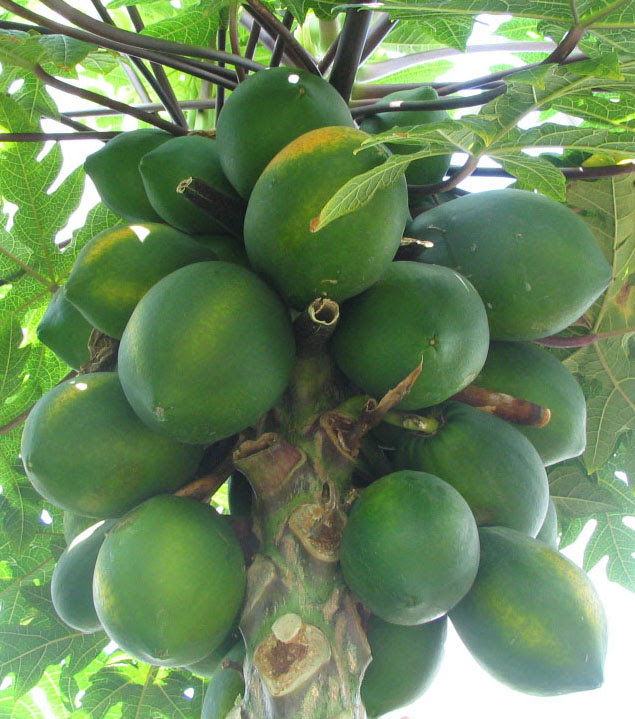
I had posted about how you can gain many benefits from papaya, in my previous post which titled, What Makes You Should Eat Papaya?. In this second chapter about papaya, I will tell you the benefits of papaya leaves to treat diabetes and cancer.

Oseng Daun Kates

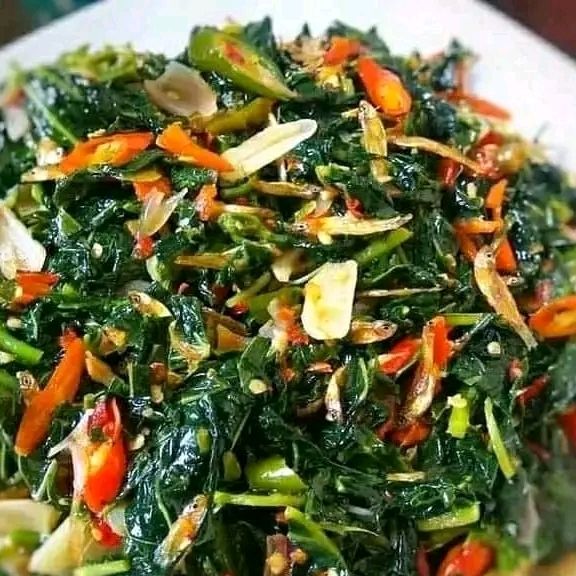
I had told before in the earlier post that oseng daun kates, or translate in English as papaya leaf stir, is considered to be the best dish made by my mom. I then asked my mom what is the recipe for oseng daun kates? My mom said that the recipe for a portion of oseng daun kates contains: ten pieces of papaya leaves and five pieces of cassava leaves. Cassava leaves are used in order to lower the bitter taste of papaya leaves. Other additional ingredients are added as much as needed, such as: chillies (big and small chillies, red and green coloured chillies), onion, garlic, ginger, tomato, lemon grass and salt.

First of all, the papaya and cassave leaves are boiled in a pan for 15 minutes. Take the leaves from the pan. Stir the whole additional ingredients in a frying pan, and then added the leaves until well cooked. The oseng daun kates is ready to serve.

Why do I have to tell you the recipe of oseng daun kates? It is just a way to enjoy papaya leaves in a form of a dish. Other way is by boiling the papaya leaves in a pan, until one third of the water remains. Take and drink the water extract. But, the water extract of papaya leaves will taste more bitter than the dish.

Antihyperglycemic and Hypolipidemic Activities of Papaya Leaves

Diabetes is a metabolic disorder of multiple etiologies characterized by chronic hyperglycemia with disturbance of carbohydrate, fat, and protein metabolism resulting from defects in insulin secretion, insulin action or both. In simple words, diabetes also means, a disease characterized by a complete or partial inability of the body to burn sugar as a fuel.

According to International Diabetes Federation, the number of diabetic people in India is currently around 40.9 millions and is expected to rise to 69.9 million by 2025. Concerning to their country, as the diabetic capital of the world, a study by Yasmeen Maniyar and Prabhu Bhixavatimath, has been able to demonstrate the antihyperglycemic, and hypolipidemic potentials of papaya leaves aqueous extract in diabetic rats. (Maniyar Y, et al. 2012)

Another study also confirms the hypoglycemic effect of papaya leaves along with other beneficial effects such as, the increasing of glucose blood levels four days after injection, and the decreasing of body weight, in diabetic rats. The study suggests that the papaya leaves aqueous extract may improve the metabolic disruption produced by diabetes. (Juárez-Rojop IE, et al. 2012)

Anti-tumor Activity and Immunomodulatory Effects of Papaya Leaves

Various parts of papaya (Carica papaya Linn.) have been traditionally used as folk medicines to treat many disorders, including cancer. A study in The University of Tokyo, Tokyo, Japan, observed a significant growth inhibitory activity of the papaya leaves extract on tumor cell lines. The study resulted that papaya leaves extract, managed to inhibit tumor cell growth and stimulate anti-tumor effects. The study also suggested that papaya leaves extract may potential for the treatment and prevention of cancer, various allergic disorders, and serve as immunoadjuvant for vaccine therapy. (Otsuki N, et al. 2010)

Benzyl glucosinolate, a compound found in all parts of the plant, but highest in young leaves of papaya, is studied in Agriculture School of Hainan University, Haikou, China, to demonstrate its anti-cancer activity. The study concluded that the hydrolysis product of benzyl glucosinolate has certain anti-cancer activities for human. (Li ZY, et al. 2012)


Read my other amazing fruits articles!

Soursop Benefits Scam?

May 03, 2013

Annona muricata Linn.

I have already posted about the benefits of soursop on my previous post which titled, New Cancer Cell Killing Machine. I guess, a single post will not be enough. This post will be the second chapter, or Another Facts About Soursop.

Soursop (Annona muricata Linn.), a fruit from Annonaceae family, which is also known as guanábana (Spanish), graviola (Portuguese), and sirsak (Bahasa Indonesia), is considered as a scam, when I tried to post about the huge benefits from this sour fruit, on a cancer forum, by some people that I considered as the Big Pharma representatives. So, are soursop benefits really a scam?


NOW Foods Double Strength Graviola 1,000mg


History of Soursop as Folk Medicine

Soursop juice is my second favorite drink after avocado juice. Soursop juice is said to be diuretic and might use as a remedy for haematuria (the presence of red blood cells in the urine), and urethritis (inflammation of the urethra). Taken when fasting, it is believed to relieve liver ailments and leprosy. Soursop fruit is not only can be used to make a fruit juice, it can also be used as a bait in fish traps, while the barks, seeds, and roots, is used as fish poison. The seeds and leaves are effective pesticides against head lice, and bedbugs. This is interesting. It will be another natural way to get rid of head lice.

Powdered unripe soursop fruit is used as a remedy to treat dysentery. The flesh of an acid soursop is applied as a poultice unchanged for 3 days, to draw out chiggers (tiny, six-legged wingless organisms that grow up to become a type of mite) and speed healing.

In Materia Medica of British Guiana, it is written that crushing soursop leaves are soaked in water. The leaves is used to rub in the forehead, while the the water is drunk to a drunken man to get him sober in a minute. Although the formula may not have been widely tested, but soursop leaves are regarded as having sedative effect and soporific (causing to sleep) properties.

In the Netherlands Antilles, the leaves are put into one's pillowslip, strewn on the bed, or taken internally, to promote a good night's sleep. This is also interesting! It could be another way to get a good night's sleep.

In Ecuador, soursop is taken as an analgesic and antispasmodic (medication that help to relieve, prevent, or lower the incidence of muscle spasms). In Africa, it is given to children to treat fever. In West Indies, the decoction of the young shoots, or leaves is used as a remedy for gall bladder, coughs, catarrh, diarrhea, dysentery and indigestion.

Soursop is also said to cool the blood, in which is able to stop vomiting and aid delivery in childbirth. The decoction is also employed in wet compresses on inflammations and swollen feet. The chewed leaves, mixed with saliva, are applied to incisions after surgery, causing proudflesh (swollen flesh that surrounds a healing wound) to disappear without leaving a scar.

Mashed leaves are used as a poultice to treat eczema, skin afflictions and rheumatism. The sap of young leaves is put on skin eruptions. The soursop roots are employed as a vermifuge, and the root bark is used as an antidote for poisoning. (Morton, J. 1987)


Zokiva Nutritionals Graviola Tea 90 Bags Soursop Biotech Nutritions Graviola 100% Pure Graviola

My Own Experiences

My father once experienced with the treatment using soursop leaves tea. It was happened a year after I wrote the post. My father was diagnosed of having a light stroke. He managed to lower his blood pressure, shortly after three days of drinking 500ml soursop leaves tea everyday, along with drinking the medication from the doctor.

I also once used to eat one, or two soursop leaves, shortly after I picked it from the tree, and without washing it, when I felt tired in the evening. But I am not doing it regularly, because I had a low blood pressure. If I consume soursop everyday, whether its leaves, or its fruit juice, it may lower my blood pressure to unsafe levels. So, I did it at least once per month.

Anti-tumor and Anti-cancer Studies

A study in AgrEvo Research Center, Pikeville, North Carolina, US, was made soursop as new cancer cell killing machine. A compound that is isolated from the seeds of soursop, cis-annonacin, was selectively cytotoxic to colon adenocarcinoma cells, in which it was 10,000 times the potency of adriamycin, a commonly used chemotherapeutic drug. (Rieser MJ, et al. 1996)

A study in Purdue University found that, five Annonaceous acetogenins, alkaloid compounds from the leaves of soursop, were cytotoxic to colon, pancreatic, and lung carcinoma cells lines, with the potencial treatment equal to, or exceeding from those with adriamycin. (Zeng L, et al. 1996)

Still in Purdue University, another studies found that, bullatacin, one of Annonaceous acetogenins, is cytotoxic against multidrug resistant human mammary adenocarcinoma cells, cancer cells that are resistant to the treatment with adriamycin, vincristine, and vinblastine. The study also found that bullatacin offered a special advantage in the chemotherapeutic treatment of multidrug resistant tumors. (Oberlies NH, et al. May 1997 and June 1997)

Muricoreacin and murihexocin C, Annonaceous acetogenins that are isolated from the leaves of soursop, had shown significant cytotoxicities among six human tumor cell lines, especially to prostate adenocarcinoma, and pancreatic carcinoma cell lines. (Kim GS, et al. 1998)

Soursop had been found to be a promising new anti-tumor agent in numerous in vitro studies. Recent study in Universiti Putra Malaysia, had demonstrated the chemopreventive effects of soursop leaves extract in skin papillomagenesis induced mice. The study suggested that soursop leaves extract was able to suppress tumor initiation and promotion even at lower dosage. (Hamizah S, et al. 2012)

Pancreatic tumors are resistant to conventional chemotherapies. A study in the Department of Biochemistry and Molecular Biology, Omaha, Nebraska, US, had demonstrated the potential of soursop as a therapeutic agent for pancreatic cancer. The study revealed that soursop managed to induce necrosis of pancreatic cancer cells by inhibiting cellular metabolism, in which indicated the promising characteristics of soursop against the lethal disease of pancreatic cancer. (Torres MP, et al. 2012)


NalLife ORGANIC Soursop Graviola Leaves for Tea 200 Leaves Organic Soursop Graviola Leaves Tea Pack of 30 Bags

The Imperial Gold of Maca

April 15, 2013

Maca

Maca, or known botanically as Lepidium meyenii Walp., is native to the Junin plateau highlands of Peru and Bolivia. The botanical name of Lepidium meyenii Walp. was named after Gerhard Walpers, who described the species in 1843.

In the 90s, Dr. Gloria Chacon described different species which was named Lepidium peruvianum Chacon. Both of L. meyenii and L. peruvianum are referred to the same plant, and the same species. There are no difference between maca's ecotypes, colors and shapes. Maca varieties are identical genetically and biochemically.

Scientific Studies on Medicinal Use of Maca

Since Dr. Gloria Chacon had given the new botanic name for maca as Lepidium peruvianum Chacon, an increasing interest in maca has been observed by many scientist around the world. From 2001 to 2010, the export of maca from Peru has increased from USD 1,415,000 to USD 6,170,000.

Experimental scientific evidence had shown that maca has nutritional, energizer, and fertility enhancer properties. Maca is also useful to treat osteoporosis, protects skin against UV radiation, and has anti-stress activity. Clinical trials had shown the efficacy of maca to treat sexual dysfunctions by increasing sperm count and motility. Maca is potential as an adaptogen and a nutraceutical in the prevention of several diseases. (Gonzales GF. 2012)

Maca as Fertility Enhancer

Maca is grown as a food crop, and medicinal purposes, in the central of Andes Mountains, between 8,000 to 14,500 feet above sea level. Maca has been traditionally used by native Peruvians, since before the time of the Incas, to enhance fertility in humans and animals. Maca is also believed to be useful for alleviating menopausal symptoms, correcting hormonal imbalances, increasing libido, increasing energy, and nutrition.

In the study using adult female mice, which treated with extract of yellow maca, had confirmed for the first time, the traditional uses of maca to enhance female fertility. The treatment had also shown, the increasing of the uterine weight, in ovariectomized (surgical removal of the ovary) animals. (Ruiz-Luna AC, et al. 2005) In another study to evaluate the effect of ethanol extract of maca, on postmenopausal osteoporosis in ovariectomized rats, had shown that maca was effective in the prevention of estrogen deficient bone loss. (Zhang Y, et al. 2006)

Maca with Bio Activated Energy

Maca M'x by BOS
Maca M'x by BOS

In March 2010, I once joined an MLM company which is also sold maca based product.. Maca M'x, the main product of PT. BOS (BAE Orbit Senusantara), formerly known as BAE (Bio Activated Energy) which based in Malaysia, consists the ingredients of oligosaccharide, maltodextrin, Psyllium husk, sodium bicarbonat, Lepidium peruvianum Chacon (maca), Tribulus terresteris, green tea extract, spinach powder, celery powder, and Spirulina.

Maca Max with BAE logo Maca Max without logo

Since the first time I joined with BAE, I had been sold using three kinds of Maca M'x packaging. The different was on the level of bio energy of the products. Bio energy? That was the main reason I joined an MLM with BAE in which I never joined with another MLM company before.

I used to promote the BAE products to some paranormals on alternative medication, in order to show them the bio energy of the products. I guess all food supplements which are sold by any MLM companies, are good and amazing products. But, if you have sixth sense, you will amaze with BAE products! Moreover, you do not have consume the products in order to gain benefit from it. You will also gain the bio energy only by being near the person who consumed the products.

Many maca based products are sold as food supplements, in the internet nowadays. Below are two maca based products from many maca based products which are sold on Amazon.com:

Sunfood Maca Powder Nature's Herbs Maca Root

Tahitian Noni Juice vs. HIV/AIDS

April 08, 2013

Morinda citrifolia Linn.

Morinda citrifolia Linn., known as mengkudu in Bahasa Indonesia, or pace in Basa Jawa, are considered as herb plants. Other common names of Morinda citrofilia are noni, Indian mulberry, apatot, kumudu, beach mulberry, cheese fruit, ruibarbo caribe, and wild pine. Morinda citrofilia are native to Southeast Asia and Australia.

Morinda citrifolia is reported to have broad range of therapeutic effects, including antibacterial, antiviral, antifungal, antitumor, antihelminthic, analgesic, hypotensive, anti-inflammatory, and immune enhancing effects. It also has been used as folk medicine by Polynesians for centuries. (Wang MY, et al. 2002)

Tahitian Noni Juice
Tahitian Noni Juice

Two weeks ago, I met a new friend, Alex, who worked on multi level marketing (MLM) company of Morinda Holdings, formerly known as Tahitian Noni International. Alex claimed that Tahitian noni juice was now become best selling products.

It was the first time I heard about the MLM company. Alex then told me a testimonial story of his friend, Brian, who bought the juice from him. Brian's blood was diagnosed as HIV positive by the nurse from Indonesian Red Cross, before he tried to donor his blood in mass blood donor action.

Brian was Alex's best friend. He knew that Alex was always promoting Tahitian Noni Juice by online via facebook, twitter and blackberry messenger. Brian then tried to drink Tahitian noni juice everyday for a full month. The next month, Brian went to hospital to check his blood. Amazingly, his blood turned out to be HIV negative.

Tahitian Noni Juice is sold as a dietary supplement in the United States. Unlike drugs, supplements are not required to be tested by the US Food and Drug Administration, before being allowed to be sold. But, the company which manufactured the supplements should not claim the supplements can prevent, treat, or cure any specific disease.

It was hard for me to believe what Alex just told me. Could it be possible that the nurse of Indonesian Red Cross had wrongly tested Brian's blood? Alex did not told me further about Brian's lifestyle on sexual relationship.

The Scientific Studies

Anti-AIDS Agent

Damnacanthal, a compound which is extracted from Morinda citrifolia, is believed to be the source of Alex's story. Damnacanthal was identified as an inhibitor of Vpr (Viral protein R, one of the human immunodeficiency virus type 1, or HIV-1) induced cell death in HIV infection experiment using human peripheral blood lymphocytes.

The study suggests that damnacanthal might work as an anti-AIDS agent by suppressing HIV production and inhibiting CD4+ cells (cluster of differentiation 4, a glycoprotein that found on the surface of immune cells) depletion in patients. (Kamata M, et al. 2006)

Anti-cancer Effects

10% Tahitian Noni Liquid Dietary Supplement, or Tahitian Noni Juice, made from Morinda citrifolia fruit by Morinda Inc, in drinking water for one week was able to prevent DMBA-DNA adduct (a piece of DNA covalently bonded to a cancer-causing chemical, that has DMBA (7,12-dimethylbenz(a)anthracene) attached to it) formation in female rats. (Wang MY, et al. 2001)

Although above study had shown the anti-cancer effect of noni juice in female rats, there is no reliable clinical evidence that noni juice is effective in treating cancer in humans. American Cancer Society suggested that relying on this type of treatment alone, and avoiding, or delaying conventional medical care for cancer, may have serious health consequences. (ACS, 2008)

Anti-diabetic Effect

Recent study had shown that, fermented Morinda citrifolia supplementation, was able to reduce glycosylated hemoglobin levels, enhance insulin sensitivity, and significantly decrease serum triglycerides and low-density lipoprotein (LDL) cholesterol in diabetic mice. The study suggested that fermented Morinda citrifolia can be employed as a functional health food for type 2 diabetes melitus management. (Lee SY, et al. 2012)

I assume that every MLM products suppose to be sold directly to the end user, because I once also promoted and sold MLM products, door to door. But, Tahitian Noni Juice is also sold online on Amazon.com.

Because Morinda citrifolia fruits have strong smell and bitter taste, the fruits juice are often mixed with other fruits. Just like in Tahitian Noni Juice which added with cranberries (Vaccinium macrocarpon), olives (Olea europaea), blueberries (Vaccinium corymbosum), and wine grapes (Vitis vinifera).

The Excellent Fruit of Pineapple

March 27, 2013

Pineapple

Pineapple, or known botanically as Ananas comosus Merr., is a tropical fruit which originated from South America, especially in Brasil and Paraguay. Pineapple in Bahasa Indonesia is known as nanas or nenas. The Genus name of Ananas, comes from the Tupi (the native language uses in South America) word, nanas, which means excellent fruit. (Davidson A, 2002)

Bromelain, an enzyme derived from pineapple stem or fruit juice, is often used like papain from papaya for tenderizing meat and to clarify beer. To make a tender meat, you may put a chunk of pineapple and cook together with the meat. It does not matter, whether the pineapple fruit is ripe or not.

I once saw my uncle cooked RW (rintek wu'uk, or ramuan waung), a dish originates from Minahasa, or Manado, North Sulawesi, which uses a dog meat, using ripe pineapple fruit. Because my uncle used all chunks from a single pineapple fruit, the dog meat was too tender to eat, just like eating a mince dog meat.


Native Forest 100% Organic Pineapple Chunks 14Oz


Medicinal Uses

Similar to green papaya, unripe pineapple is also used for contraception and abortion. Consuming unripe pineapple fruit excessively might cause abortions shortly after conception. Raw pineapple fruit is also taken as an aphrodisiac to increase sexual desire.

As folk medicine, pineapple juice is taken as a diuretic, a gargle to treat sore throat and as an antidote for seasickness. Unripe pineapple is used to expel intestinal worms, and to treat venereal diseases, such as syphilis or gonorrhoea. In Africa, the dried, powdered root is used as a remedy for edema.

The crushed pineapple rind is used to apply on fractures. The decoction of pineapple rind with rosemary is used to treat hemorrhoids. Indians in Panama used the pineapple leaf juice as a purgative, emmenagogue (to treat menstruation problems) and vermifuge (antihelminthic, drugs that expel parasitic worms from the body). (Morton, J. 1987)

The Scientific Studies

The study of six months dietary supplementation using pineapple juice could decrease inflammation severity in mice with chronic colitis (inflammation of the colon). (Hale LP, et al. 2010) Another study had also demonstrated an independent mechanism of bromelain's anti-tumor activities against sarcoma, and Ehrlich ascitic tumor. (Báez R, et al. 2007)

Bromelain possess anti-inflammatory, anti-invasive and anti-metastatic properties, in which managed to inhibit cyclooxygenase-2 expression by blocking the activation of p38 mitogen-activated protein kinase against skin tumor-initiation triggering mitochondrial death pathway, in 2-stage mouse skin tumorigenesis model. (Bhui K, et al. 2009)

Recent study had demonstrated that bromelain also possess antifungal activity against phytopathogens, in which will be potential to use as an effective agent for crop protection. (López-García B, et al. 2012)

The Health Benefits of Avocado

March 13, 2013

Avocado

I really love with this amazing fruit of avocado, or alpukat in Bahasa Indonesia, whether sweetened it as a dessert, or by making it as fruit juice. Avocado juice is considered to be my favorite drink. I used to order avocado juice, everytime I eat in my favorite chicken noodle restaurant.

Avocado (Persea americana Mill.) is botanically classified in three groups, West Indian Avocado (Persea gratissima Gaertn.), Mexican Avocado (Persea drymifolia Schlecht. and Cham.), and Guatemalan Avocado (Persea nubigena var. guatemalensis L. Wms.). Despite all of avocado varieties, it is believed to be originated from Mexico. (Morton, J. 1987)

The Medicinal Uses of Avocado

The medicinal uses of avocado as alternative treatment mostly by using its leaves, seeds, root bark and shoots. The extracts of the fruits are used for skin treatment by many cosmetic industries in products to moisten dry skin face or body.

The Leaves of Avocado

The leaves of avocado possess antibiotic activity. The leaves are used to employ as a vermifuge, or antihelminthics (drugs that expel parasitic worms from the body), and remedy for dysentery. By directly chewed it as a remedy for pyorrhea (periodontal disease, or inflammation of the gums and tooth). The leaves poultices are used to apply on wounds. Heated leaves are used to relieve neuralgia by applying it on the forehead.

The aqueous extract of the leaves has a prolonged hypertensive effect. The decoction of avocado leaves are taken as a remedy to treat diarrhea, sore throat, hemorrhage, to stimulate and regulate menstruation, and are also drunk as a stomachic.

The Seeds of Avocado

The seeds of avocado possess insecticidal, fungicidal, and anti-microbial activities. The avocado seed is rich in phenolic compounds, which may play a role in the putative health effects. The extracts of avocado seeds were also used as ink for writing and had potential colorant properties.

The decoction of avocado seeds are used in the Mexican traditional medicine to treat oral bacterial diseases, and to relieve toothache by putting it into a tooth cavity. The powdered seed is believed to cure dandruff. The oil extracts of avocado seed are also used to treat skin eruptions.

The Scientific Studies

The following are several scientific studies conducted by scientists around the world to demonstrate the efficacy of avocado plants for alternate medicines:

Anti-hyperlipidemic

Several studies had shown that avocado seeds may improve hypercholesterolemia (high levels of cholesterol in the blood). High cholesterol will increase your chance of getting heart disease, stroke, hypertension, inflammatory conditions and diabetes.

A study using 15 healthy and 30 hypercholesterolemic patients (15 of them with associated type 2 diabetes mellitus) who received an avocado enriched diet. A week later, the healthy individuals had 16% decrease of total cholesterol level. In hypercholesterolemic patients had shown significant decrease of total cholesterol by 17%, 22% of triglycerides, 22% of bad cholesterol, or low density lipoprotein (LDL), and also increase 11% of good cholesterol, or high density lipoprotein (HDL). (López Ledesma R, et al 1996)

Avocado seed contains hig levels of phenolic compounds, in which had shown antioxidant properties. The antioxidant activity of phenolic compounds in Avocado seed extracts may be responsible for the hypocholesterolemic activity in hyperlipidemic mice. (Pahua-Ramos ME, et al. 2012)

Anti-diabetic

The Avocado leaves have been used in the treatment of diabetes in Latin America and Africa. To show the anti-diabetic effect of avocado, Lima CR, et al. from Department of Pharmaceutical Sciences, Federal University of Pernambuco, Recife, Brazil, used rats as subjects.

Streptozotocin (STZ)-diabetic rats were given hydroalcoholic extract of the avocado leaves for a month. The result indicated that hydroalcoholic extract of avocado leaves managed to reduce blood glucose levels and improved the metabolic state of the rats. (Lima CR, et al. 2012)

Anti-cancer

Studies have shown that phytochemicals extracted from the avocado fruit managed to induce cell cycle arrest, inhibit growth, and induce apoptosis in precancerous and cancer cell lines. Recent studies indicated that phytochemicals extracted from avocado fruits were useful in the proliferation of human lymphocyte cells, and decreased chromosomal aberrations induced by cyclophosphamide (drug that is used to treat cancers, Hodgkin's disease, and autoimmune disorders).

The study concludes that phytochemicals from the avocado fruits can be utilized for making active chemoprotective substances for decresing side effects of chemotherapy in cancer therapy. (Paul R, et al. 2011)

The leaves and root bark of avocado are also used in Nigerian traditional medicine for the treatment of cancer diseases. The study uses four cancer cell lines, breast cancer (MCF-7 and BT-20), and osteocarcinoma (MG-63 and Saos-2), to demonstrate the anti-proliferative and apoptotic effects.

The methanolic extracts of avocado root bark is shown significant anti-proliferative activity against estrogen receptor positive breast cancer cell lines, and its potential as anti-cancer agent, in which also helpful in drug designing and discovery. (Engel N, et al. 2011)

Antibacterial, Antifungal, Antimycobacterial, and Antioxidant

Avocado leaves are used in Mexican traditional medicine to treat gastrointestinal disorders. The methanolic extracts of avocado leaves are shown high anti-Helicobacter pylori activity, and inhibitory effect against Helicobacter pylori, bacteria which can cause digestive illnesses, including gastritis and peptic ulcer disease. (Castillo-Juárez I, et al. 2009)

Persin, compounds isolated from avocado leaves, is shown to have antifungal properties and to be toxic to silkworms. The study had shown that persin at the dose rate of 60-100 mg/kg has the same effect on mammary glands in lactating mice. (Oelrichs PB, et al. 1995)

Another active compounds isolated from avocado, in which are avocadenol A, avocadenol B, (2R,4R)-1,2,4-trihydroxynonadecane, and (2R,4R)-1,2,4-trihydroxyheptadec-16-ene, showed antimycobacterial activity against Mycobacterium tuberculosis. (Lu YC, et al. 2012)

The extracts of seeds and peel of avocado contained four polyphenolic classes, flavanol monomers, proanthocyanidins, hydroxycinnamic acids, and flavonol glycosides. But, the peel extracts had shown a higher total phenolic compound content and antioxidant activity when compared to the seed extracts. Both seeds and peel of avocado can be utilized as a functional food ingredient or as an antioxidant additive. (Kosińska A, et al. 2012)

Avocado Based Products

Below are several avocado based products which are sold on Amazon.com

Two avocado oil extracts which can be used for culinary purposes, as salad dressing, body massage, and hair treatment.

Bella Vado Organic Extra Virgin Avocado Oil Now Foods Avocado Oil

Also, I once used below hair shampoo which contains avocado oil extracts.

Pantene Pro-Vitamin Nature Care Set Shampoo + Conditioner 340ml Pantene Pro-V Nature Fusion Smooth Vitality Shampoo


Read my other amazing fruits articles!

The Crown of Gods

January 23, 2013

Fruits of Mahkota Dewa

Mahkota Dewa, or Phaleria macrocarpa Scheff. Boerl. originates from Papua Island, Indonesia. Mahkota Dewa, which translated in English as The Crown of Gods, is widely used by many Indonesian people for the treatment of cancer, although scientific evidence at the time was not yet being enforced.

In Papua Island, Mahkota Dewa thrives in fertile soil at an altitude of 10 to 1200 m asl. These shrubs grow upright with 1 to 2.5 m tall. Round trunk, coarse surface, brown, woody and gummy.

Having single leaf which is located opposite, and short stemmed. Mahkota Dewa blossoms throughout the year, lying scattered in stem, having tube shape, small, white, and smells fragrant.

The fruits are round, 3-5 cm in diameter, smooth, grooved, green color when young and red color when ripe. The pulp is white, fibrous, and watery.

The Medicinal Use

The fruit of Mahkota Dewa has anticancer agents, while its seeds are poisonous. The bioactivity of Mahkota Dewa fruit extracts using BSLT method, followed by the screening test of anticancer in vitro against leukemia cells 1210, had shown high toxicity and very potential for cancer treatment.

The leaf of Mahkota Dewa was also studied. The result was a compound which is known as Phalerin. The most potential effects of Phalerin is as immunostimulants. According to the study, the best use of water extract of Mahkota Dewa leaves as immunostimulants is four times a day (every six hours), to obtain the maximum therapeutic effect.

The different parts of Mahkota Dewa fruit, which were also evaluated, indicates to be a source of bioactive compounds, potential as an antioxidant, anti inflammatory and cytotoxic agents.

Mahkota Dewa supplementation has a synergic effect to adriamycin treatment in reducing the tumor growth, by increasing apoptosis, and protects the liver and kidney from damage caused by adriamycin.

Personal Experience

My mom and I once tried a capsule form of Mahkota Dewa fruit, which was packed by small factory in Central Java. Each pack consists two pieces of capsule for a daily use. But, my mom gave me a capsule and the other for herself. We both drank a capsule everyday.

Three days later, My mom and I found our faces very thick, or in medicinal term as the moon face effect. My mom's weight and also mine, were raised until five Kgs after drinking three capsules for three days. Having the moon face effect, my mom and I stopped on drinking the capsule.

At first, we both were intended to use the Mahkota Dewa in capsule form as stamina booster, and not to cure any diseases. Indeed, our stamina were increased, but, at the same time, it effected to our eating habits.

The Toxicity of Mahkota Dewa

The use Mahkota Dewa as medicinal plant should be based on the principle of benefit and safety. Though it has beneficial for healing disease, but it is not safe, because of its toxicity. You should think about the possibility of acute or chronic poisoning which may occur.

The seeds of Mahkota Dewa are poisonous, while the fresh fruit, when is eaten immediately, could causes swelling in the mouth, mouth ulcer, drunk, seizures, fainting.The use of excessive doses in a long time can cause side effects, such as chronic headaches. And also, pregnant women are prohibited from taking these herbs.


References:

Mahkota Dewa
Tanaman Obat Indonesia
Sentra Informasi IPTEK (archive)

Penggunaan Daun Mahkota Dewa (Phaleria macrocarpa Scheff. Boerl.) Sebagai Imunostimulan Dalam Upaya Menjaga Kesehatan Tubuh
Prof.Dr. Subagus Wahyuono Apt. (archive)

Antioxidant, anti-inflammatory and cytotoxicity of Phaleria macrocarpa (Boerl.) Scheff Fruit.
Hendra R, et al. 2011

Effect of phaleria macrocarpa supplementation on apoptosis and tumor growth of C3H mice with breast cancer under treatment with adriamycin-cyclophosphamide.
Riwanto I, et al. 2011

The Health Benefits of Starfruit

January 18, 2013

Starfruit


Recently, I read an article about eating two pieces of starfruit, everyday after breakfast and dinner will cure diabetes. Secondly, starfruit is also used to overcome kidney disease. It does not matter whether its ripe or unripe starfruit. But, I guess, all of us will take the ripe one.

But, wait! Does it just that simple? By eating starfruit will able to cure diabetes, and kidney disease? And, for how long? The article did not answer all the questions.

Starfruit, or Averrhoa carambola Linn, which in Indonesia is known as Belimbing, is a popular tropical fruit and native to the Southeast Asia. The ripe starfruit in Indonesia is sometimes used as a part of rujak (fruit salad), or by eating directly.

Controversies Over The Health Benefits of Starfruit

In Brazil, starfruit is used to treat kidney and bladder complaints. Starfruit is also believed to have a beneficial effect in the treatment of eczema.

But according to Joaquim Coutinho Netto, a Professor of Medicine, Department of Biochemistry and Immunology, Ribeirão Preto University, São Paulo, Brasil, starfruit can be fatal for diabetics. Netto discovered that starfruit contains neurotoxin, which capable of causing death, in patients with renal failure.

Professor Netto's study is just the same as the study result of Neto MM, or perhaps both of them are the same person, because their name similarity. Neto MM, had already observed six cases of dialysis patients who intoxicated by ingestion of star fruit.

The result, all six patients developed variety of symptoms ranging from insomnia and hiccups to agitation, mental confusion and a case of death.

Even though the name of Professor Netto and Neto MM, is different, but both of them were doing the same study. (Check the reference sites to clarify!)

In India, starfruit is commonly known as Kamrakh, or Golden Star. Starfruit is reported to contain mainly saponins, flavonoids, tannins and alkaloids.

In Ayurveda, starfruit is used as an antihelminthic. Antihelminthics, or also called vermifuges, are drugs that expel parasitic worms (helminths) from the body.

Starfruit is also used as anti malarial, febrifuge or antipyretic (anti fever), digestive tonic, antiscorbutic (rich in vitamin C) and antidote for poison.

Starfruit is considered as the best Indian cooling medicine. The ripe starfruit is used to stop bleeding (hemorrhages), and to relieve hemorrhoids. The starfruit juice can also be used as fever prevention.

In Chinese Materia Medica (Chinese herbology), it is stated that, Its diuretic action is to quench thirst, to increase the salivary secretion, and hence to allay fever. A decoction of combined starfruit and its leaves is drunk to overcome vomiting.

Starfruit flowers are given as a vermifuge (antihelminthic). Starfruit leaves which are bound on the temples, is managed to soothe headache.

Crushed leaves and shoots are used as a poultice by spreading on cloth over the skin to treat an aching, inflamed, or painful part of the body, such as, on the eruptions of chickenpox, an airborne disease spread easily through coughing or sneezing cause by virus, and also on ringworm.

In Southeast Asia, the flowers are rubbed on the dermatitis, an inflammation of the skin or rash, as an allergic reaction caused by lacquer, which is derived from Rhus verniciflua (Toxicodendron vernicifluum), also known as Chinese lacquer tree.

Starfruit roots combines with sugar are considered to be an antidote for poison. Hydrocyanic acid, or hydrogen cyanide, a highly valuable precursor to many chemical compounds, has been detected in the leaves, stems and roots.

A decoction of the crushed starfruit seeds acts as a galactagogue, substance that promotes lactation in humans and other animals, which is mildly intoxicating. The powdered starfruit seeds also serve as a sedative in cases of asthma and colic.


References:

Phytochemical and Pharmacological Profile of Averrhoa carambola Linn: An Overview.
Gheewala Payal, Kalaria Pankti, Chakraborty Manodeep, and Kamath Jagadish.
https://core.kmi.open.ac.uk/display/1135844

Carambola faz mal para diabéticos?
https://www.diabetesnoscuidamos.com.br/gente_duvida_mes.aspx?id=503

Intoxication by star fruit (Averrhoa carambola) in six dialysis patients? (Preliminary report).
Neto MM, et al.
Nephrol Dial Transplant. 1998
https://www.ncbi.nlm.nih.gov/pubmed/9550629

Carambola
Julia F. Morton (1987)
https://www.hort.purdue.edu/newcrop/morton/carambola.html

The Discarded Queen of Fruits

December 08, 2012

The Queen of Fruits

Mangosteen

Manggis in Bahasa Indonesia, or widely known in English as mangosteen, or in Latin, Garcinia mangostana Linn, was named after Laurent Garcin, a French botanist of the 18th centuries. He reported and described some new plants (genus Garcinia) on his several journey to Bengal, Java, Malacca, Persia and Arabia from 1720 to 1729.

I never thought before that the Queen of Fruits, which originated from my country, has so many health benefits. I never eat mangosteen before, and never hesitated on eating it, because I am not fond of its look. Even though many Indonesian people consider mangosteen as their favorite fruit, but they always throw away the rind of mangosteen into the garbage.

From Discarded Rind To Use As Drug

The rind of mangosteen is believed to be the source of xanthones, bioactive substances. The most active xanthones compounds are alpha-mangostins, gamma-mangostins, and garcinone E.

The dried powdered rind is managed to overcome dysentery.

Mangosteen Pericarp by Natural Health Labs
Mangosteen Pericarp by Natural Health Labs, mangosteen extract that is sold on Amazon which manufactured from its pericarp (rind).

The extracts of mangosteen, which studied in Faculty of Chemistry, Department of Biology, National University of Mexico, have antioxidant, anti-tumoral, anti-allergic, anti-inflammatory, anti-bacterial, and anti-viral activities.

Ointment which is made from the rind of mangosteen, managed to overcome eczema and other skin disorders, due to its anti-inflammatory effects.

Filtered water of the rind that has been soaked overnight, is used as a natural remedy for chronic diarrhea in adults and children.

The Debated of Anti-Cancer Studies

The used xanthones as cytotoxic compound on the cells of cancer by some scientists were doubtful. Even though treating cancer cells with cytotoxic compound can result in a variety of cell fates, either stop growing or die rapidly.

Several isolated studies on the extracts of mangosteen by many scientists around the world, were only used rats, hamsters or rabbits as the test subjects. None of them were using a cancer patient as the test subject.

In 1996, the study by Chairungsrilerd N, on two main properties of xanthones, alfa-mangostins and gamma-mangostins, were using hamsters and rabbits, had shown its anti-allergic effects.

In 2002, garcinone E, a xanthone derivative, had shown potential cytotoxic effect against hepatocellular carcinoma cell (liver cancer cell) lines, from cytotoxicity (quality of being toxic to cells) test conducted by Ho CK,.

In 2004, Moongkarndi's study reported the extracts of mangosteen potential activity on stopping the growth of breast cancer cell (SKBR3).

Two years study between 2003 and 2004 by Kenji Matsumoto, had resulted in potential apoptosis (the process of programmed cell death, or death of a cell in any form) activity of alfa-mangostins in human leukemia (blood cancer) cell lines.

Mangosteen Juice

Despite of all above studies, American Cancer Society considers mangosteen juice only as dietary supplements, and recommends to people who are being treated for cancer should speak with their doctors before taking the supplement.

Some famous brand of mangosteen juices that is sold on Amazon:

Dynamic Health Mangosteen Gold Organic Mangosteen by Genesis Today


References:

Medicinal properties of mangosteen (Garcinia mangostana)
Pedraza-Chaverri j. et al 2008

Mangosteen
Morton, J. 1987

[PDF] Dari Kulit Buah Yang Terbuang Hingga Menjadi Kandidat Suatu Obat (Bahasa Indonesia) by Agung Endro Nugroho (archive)

What Makes You Should Eat Papaya?

June 22, 2012

Papain in Papaya

Oseng daun kates
Oseng daun kates

Translate in English as papaya leaf stir, is considered to be the best dish made by my mother. That's what I heard from everyone who had told her, by repeatedly asking to cook it again and again, though it's not my favorite. The bitter taste is the main reason why I'm not so fond of it. But Javanese people had used papaya leaf to cure malaria disease, by crushing and squeezing it, to make an aqueous solution extract. Add water to the extract and then is drunk to the patient.

Papaya leaf contains the enzyme papain, similiar to pepsin, that is used as meat tenderizer, and also to clarify beer. Papain is most found in the young fruit (green papaya) and leaf, but may vary in the whole tree such as seeds, roots and latex. That's made the young leaf may also used for tenderizing meat. Take a fresh meat in a bowl, then cover it with some papaya leaves for about an hour, if you want to make it tender. In other case, you may also put a chunk of green papaya and cook together with the meat.

Green Papaya

Papaya, a tropical tree, originally named as Carica Papaya, from the pawpaw family, Caricaceae. The name Carica was derived from Caria, an ancient division of Asia Minor, as it was thought to be the native of that region. It has since been found to be a native of tropical America, when it first introduced in 1690.

Papain and Infertility

The study of papain in trial with rats, it did not effect on body or reproductive organ weights, liver and kidney function. But, it effected on female rats to have infertility and irregular oestrous cycles. Male rats also had decreased testis mass and sperm count. The fertility of the male and female rats returned to normal within 60 days after the treatments were discontinued.

In some countries, green papaya is used for contraception and abortion, by consuming papaya to prevent pregnancies, due to papain might cause abortions shortly after conception. So, that's why pregnant women who are still having young pregnancy age, are suggested to avoid eating green papaya, or unripe papaya.

It will be OK to eat papaya as long as it ripe. Because ripe papaya rich in Vitamin A, C and folic acid (folate). Folate is needed for fertility in both men and women, where as now it has been found in many pregnancy supplements, such as formula milk for pregnancy mother.

Papain for Treatment

Papain is also applied for the treatment of cuts, rashes, stings and burns. Papain ointment is commonly made from fermented papaya flesh. For facial treatment, a soap made in Thailand which based on papaya is famous in Indonesia for skin whitening, but there's also the fake papaya soap that sold in the market, though it's really difficult to see the different between both of them.

Studies at the University of Nigeria have found that extracts of papaya fruits and seeds, whether ripe or unripe, are active against bacteria or antimicrobial. Powdered air-dried seeds which are given orally to dogs for 30 days decreased heartworm, a disease in which one of the major health problems of dogs.

An aqueous solution extracts which is given to rats, become purgative by increasing the number of wet feces and the movement of intestinal contents. That's why, by eating papaya may prevent us from having a bowel obstruction.

In St. Vincent, papaya is used to treat epithelioma, an abnormal growth of the epithelium, which is the layer of tissue that covers the surfaces of organs and other structures of the body. The usual treatment involves surgically removing the tumor and affected tissue.

In 1977, at public hospital in London, a post-operative infection in a kidney-transplant patient was cured by strips of papaya which were laid on the wound and left for 48 hours, after all modern medications had failed. In Turkey, papaya is used as cardiotonic (cardiac stimulant), a substance which acts as a stimulant of the heart. Examples of cardiac stimulant drugs are cocaine and methamphetamine.

In different parts of the world, papaya had been used also for below treatments:

  • Arthritis in Haiti and Java, Indonesia.
  • Asthma in Mauritius, Mexico, and Philippines.
  • Cancer in Australia and Mexico.
  • Colic (form of pain which starts and stops abruptly) in Malaya.
  • Diarrhea and dysentery in Honduras, Japan, Panama, and West Africa.
  • Dysuria (painful or difficult urination) in Java, Indonesia.
  • Fever in Mexico and Java, Indonesia.
  • Flu in Trinidad.
  • Hypertension in Honduras and Trinidad.
  • Infection in Panama.
  • Liver disease in Honduras and Turkey.
  • Madness or insanity in Ivory Coast.
  • Rheumatism in Haiti and Java, Indonesia.
  • Scorpion bites in Trinidad.
  • Tuberculosis in Mexico.


References:


Translate This Blog

Sponsored Ads

Dnox's Crafter

Sustain Me by Barbara O’Neill

Murder by Injection: The Story of the Medical Conspiracy Against America by Eustace Clarence Mullins

The Big Bamboozle: 9/11 and the War on Terror by Philip Marshall

Want to start a new career as a quality assurance software tester? Join the greatest community of testers!
Learn. Earn. Connect.

Ready to become a freelance tester?
Work from anywhere!

Get paid for your opinion
Give brands a piece of your mind!

TheraICE Migraine Relief Cap

Eclat Vitamin C Face Serum

Earn money with Clickworker

Followers

About Me

My photo
" Let us not waste our health to look for treasure and then squandered our treasure to seek health " - Verdi

Web Statistics


Get your own flagcounter!

free counters

free counters

Project Hail Mary by Andy Weir

Why a Son Needs a Mom by Gregory E. Lang

Theo of Golden by Allen Levi

Misty Sunset & Tree Plant Picture

The Nightingale by Kristin Hannah

A Little Life by Hanya Yanagihara

ITO EN Oi Ocha Green Tea - Tea Bags 40ct

Minyak Kayu Putih Cap Lang