Watch Reacher - Season 4 (2026) on amazon Prime!

Showing posts with label benefit. Show all posts

Health Benefits of Honey

November 08, 2024

honey
Honey

Nutritional Healthy

Honey, a nutritional healthy product, is produced mainly by two types of bees: honey bee and stingless bee, has been recognized for its medicinal properties for thousands of years. Meanwhile, An essential pollinator of our food crops is the honey bee. Honey bee pollination contributes either directly or indirectly to nearly one-third of our food supply.

Nutritional value per 1 tablespoon (21 g)

NutrientsAmountNutrientsAmount
Water3.59 gCalories64 kcal
Energy267 kJProtein0.06 g
Ash0.04 gCarbohydrate17.30 g
Sugars17.25 gSucrose0.19 g
Glucose7.51 gFructose8.60 g
Maltose0.30 gGalactose0.65 g
Calcium, Ca1 mgIron, Fe0.09 mg
Phosphorus, P1 mgPotassium, K11 mg
Sodium, Na1 mgZinc, Zn0.05 mg
Copper, Cu0.008 mgManganese, Mn0.017 mg
Selenium, Se0.2 µgFluoride, F1.5 µg
Vitamin C0.1 mgRiboflavin0.008 mg
Niacin0.025 mgPantothenic acid0.014 mg
Vitamin B60.005 mgCholine0.5 mg
Betaine0.4 mg

USDA

Products from honeybees, like honey, propolis, and royal jelly, are not only food but also provide significant health advantages against a variety of illnesses. Honey's possible health advantages are discussed, including its effects on other diseases, wound healing, and microbial suppression.

Numerous health advantages associated with gastrointestinal illnesses, allergies, and issues linked to gynecology, oral health, and dermatology have been described for propolis. The preventive properties of royal jelly on wound healing, aging, neurological diseases, and reproductive health are widely recognized.

The ancient Egyptians, Greeks, Romans, and Chinese all utilized honey to treat gastric ulcers and other intestinal lesions. Additionally, it has been used to treat earaches, sore throats, and coughs. Lotus honey has been used traditionally to heal eye infections and other ailments since ancient India.

Honey is utilized both externally and internally as a functional food to support the body's vital organs by supplying energy and nutrients. The quality of honey is significantly influenced by its active ingredients, which include organic acids, glucose, fructose, flavonoids, and polyphenols.

Biological Activities of Honey

Biological activities of honey

Honey has long been used to heal burns, wounds, insect bites, skin conditions, boils, and ulcers. Honey's effectiveness as an antibacterial and wound-healing agent is confirmed by scientific evidence of its wound-healing properties. The proteolytic enzyme is dynamically expressed when honey stimulates the wound matrix's latent plasminogen to become active. Plasmin destroys fibrin and causes blood clots to retreat. This enzyme breaks down fibrin clumps in the wound bed that have dead tissues adhering to them.

Clinical data demonstrating honey's efficacy, specificity, and sensitivity in wound treatment shows that honey works better than both traditional and contemporary wound care dressings. Fast healing, wound cleansing, infection removal, tissue regeneration, reduced inflammation, and improved dressing comfort because of less tissue adhesion are among the therapeutic benefits seen following honey administration.

365 by Whole Foods Market, Organic Light Amber Wildflower Honey
365 by Whole Foods Market, Organic Light Amber Wildflower Honey.

Honey also improves the epithelialization of the affected skin surface, which helps to reduce skin deterioration around stomas like ileostomy and colostomy. Honey helps with psoriasis, eczema, and pediatric dermatitis brought on by overuse of diapers and napkins. Researchers looked into how honey combined with beeswax and olive oil affected those who had atopic dermatitis or psoriasis.

According to a clinical trial, a honey-based mixture produced notable gains and was incredibly well tolerated. Numerous nitric oxide metabolites found in honey lower the risk of skin infections in people with psoriasis.

Enzymes that aid in the absorption of substances like sugars and starches make up natural honey. Honey contains sugar molecules that are easily absorbed by the body. Honey contains minerals, phytochemicals, and flavonoids that promote digestion.

Honey is utilized in wound management and is useful for patients with locally infected wounds, diabetic foot ulcers, Charcot foot ulcerations, and complex comorbid disorders that have failed hospital treatment. Additionally, the presence of honey results in low damage to the wound bed and great tolerability.

MANUKA DOCTOR - Raw Manuka Honey MGO 30+ SQUEEZY, 100% Pure New Zealand Honey
MANUKA DOCTOR - Raw Manuka Honey MGO 30+ SQUEEZY, 100% Pure New Zealand Honey.

Honey can be used to treat a variety of oral disorders, including periodontal disease, stomatitis, and halitosis. Furthermore, it has been used to prevent periodontitis, gingivitis, mouth ulcers, and dental plaque. Honey's antibacterial and anti-inflammatory qualities can promote granulation tissue formation, which will help damaged cells heal.

Gastroesophageal reflux disease (GERD)
A mucosal infection caused by aberrant stomach reflux into the esophagus or lungs. Acid regurgitation, irritation, and heartburn are signs of GERD. Honey helps with this illness by covering the lining of the stomach and esophagus, which stops food and gastric juice from flowing upward. In order to aid in the regeneration of the sphincter's tissues and ultimately lessen the likelihood of acid reflux, honey might further stimulate them.

Dyspepsia
A chronic condition in which the gastrointestinal organs, primarily the stomach and first part of the small intestine, function improperly. It is a condition that manifests as nausea, bloating, heartburn, and epigastric pain.

According to clinical studies, honey enhanced the healing effect and reduced the production of stomach acid. Because of its antimicrobial qualities and preventive effects, honey is therefore consumed as a nutritional supplement.

Gastroenteritis
Often known as stomach or gastric flu, is characterized by inflammation of the digestive tract. Foodborne, waterborne, and person-to-person transmission of infectious pathogens could be the cause of this illness. Gastric pains, bloating, watery diarrhea, dehydration, and nausea are all signs of gastroenteritis.

According to a clinical trial, honey can be used to treat infantile gastroenteritis. Because honey's high sugar content promotes electrolyte and water reabsorption in the gut, the study discovered that substituting honey for the glucose in the usual electrolyte oral rehydration solution shortened the recovery period for gastroenteritis patients.

Nate's 100% Pure, Raw & Unfiltered Honey
Nate's 100% Pure, Raw & Unfiltered Honey.

Chronic constipation
A frequent and multifaceted disorder marked by painful defecation (irregular stools and difficult stool passage). Symptoms of difficult stool passage include lumpy or hard stools, a feeling of incomplete evacuation, straining, and a prolonged time to pass stool. A excessive number of bowel movements with watery stool is called diarrhea. Compared to traditional antiviral treatment, honey has reduced the pathophysiology and duration of viral diarrhea.

Honey can relieve pain, normalize hepatic processes, and eliminate poisons. The cause of hepatic system complications is oxidative damage. Honey may help heal damaged livers since it has antioxidant properties. Heart problems and vasomotor dysfunctions brought on by adrenaline can be prevented and treated with natural wild honey.

The use of honey was found to significantly lower the risk factors for cardiovascular and metabolic disorders. Vasoprotective benefits of honey include vasodilation, vascular homeostasis balance, and lipid profile improvements. Honey's flavonoids boost high-density lipoproteins (HDL), inhibit oxidation of low-density lipoproteins (LDL), improve endothelial activities, diminish platelets' capacity to form clots, and promote coronary vasodilation. (Pasupuleti VR et al. 2017)

100% Pure New Zealand Manuka Honey
100% Pure New Zealand Manuka Honey.

Plumbagin vs. Cancer

September 20, 2013

The blossoming flower of Plumbago zeylanica Linn.

Plumbago zeylanica Linn., or known as daun encok, in Bahasa Indonesia, is an African wild bush that can grow near a river, and highlands up to 800 m asl. Plumbago zeylanica has been used as folk medicine, in Ayurveda, and Traditional Chinese Medicine (TCM). Plumbago zeylanica is believed to be originated from Sri Lanka. (Sentra Informasi IPTEK)

Plumbago zeylanica is also known by many common names, such as, Ceylon leadwort, doctorbush, white flowered leadwort (English), chitrakmool, citrak, agni, chitra, chitraka (India, Pakistan), bama (Balinese), ki encok (Sundanese), godong encok (Javanese), kareka (Maduranese), ceraka (Sumatera), and oporie (Timor Leste).

Several studies have indicated that plumbagin (5-hydroxy-2-methyl-1,4-naphthoquinone), compounds isolated from the roots of Plumbago zeylanica, possess antifertility, anticancer, antidiabetic, anti-bacterial, and anti-inflammatory activities. Moreover, plumbagin have been proven to possess anti-tumor activity both, in vitro, and in vivo.

The roots of Plumbago zeylanica have been used in Ayurveda for more than 2500 years ago, as an anti-atherogenic (helps manage healthy cholesterol, and triglyceride levels), cardiotonic (a cardiac stimulant, which acts as a stimulant of the heart), hepatoprotective (an antihepatotoxicity, the ability to prevent damage to the liver), and neuroprotective (the ability to exert a destructive, or poisonous effect upon nerve tissue) agent.

Plumbagin and Leukemia

An in vivo study by Institute of Hematology, Beijing, China, was aimed to investigate the anticancer effect of plumbagin, using human promyelocytic leukemia (a cancer of the blood forming tissue) cells, NB4, in NOD/SCID (Non Obese Diabetic/ Severe Combined Immunodeficiency) mice. The study was observed the incidence of formation, growth characteristics, body weight, and volume of tumors.

The results showed that intraperitoneal injection (IP injection, the injection of a substance into the peritoneum, or body cavity)of plumbagin (2mg/kg body weight) daily, for three weeks, resulted to a 64.49% reduction of tumor volume.

Moreover, there was no side effects, such as, weight loss, tissue damage, and behavior change, which appeared in doxorubicin (adriamycin, a chemotherapy drug given to treat many different types of cancer) treated mice. The results indicated that plumbagin has potential as a novel therapeutic agent for myeloid leukemia. (Xu KH, et al. 2010)

Plumbagin and Gastric Cancer

A study which aimed to investigate the effects of plumbagin, on human gastric cancer cells (SGC-7901, MKN-28, and AGS), had resulted that 10 μmol/L of plumbagin managed to controll the expression of NF-κB gene products, including IAP1 (Inhibitor of Apoptosis Protein 1), XIAP (X-linked Inhibitor of Apoptosis Protein), Bcl-2 (B-cell lymphoma 2), Bcl-xL (B cell lymphoma extra long), TF (Tumor Factor), and VEGF (Vascular Endothelial Growth Factor).

DR WAKDE'S Chitrak Capsules

The study concluded that plumbagin managed to inhibit cell growth, and have potentially apoptosis, in human gastric cancer cells, through the NF-κB pathway. (Li J, et al. 2012)

Plumbagin and Skin Cancer

Two types of skin cancer are basal cell carcinoma, and squamous cell carcinoma. Squamous cell carcinoma may occur in normal skin, or in skin that has been injured, or inflamed. A study at University of Wisconsin, Madison, WI, USA, presented the application of non toxic doses (100-500 nmol) of plumbagin, which managed to inhibit the development of squamous cell carcinomas, in ultraviolet radiation induced mice.

During the period of the experiment, mice were gained weight and did not exhibit any signs of toxicity. The study suggested that plumbagin may be used as a novel agent for the prevention of skin cancer. (Sand JM, et al. 2012)

Plumbagin and Pancreatic Cancer

Pancreatic cancer is the most aggressive malignant disease, in which became the fourth most leading cause of cancer related death among men, and women, in the United States. Another study at University of Wisconsin, demonstrated the effect of plumbagin against pancreatic cancer cells (PANC1, BxPC3 and ASPC1) in mouse model.

The IP injection of plumbagin (2 mg/kg body weight), for 5 days, in SCID mice, which began three days after the implantation of PANC1 cells, had resulted in a significant inhibition of both tumor weight, and volume. The study suggested that plumbagin, which had shown to inhibit the growth of pancreatic cancer cells, both in vitro, and in vivo model systems, may be used as a novel therapeutic agent against human pancreatic cancer. (Hafeez BB, et al. 2012)

Plumbagin and Prostate Cancer

Recent study by Bilal Bin Hafeez, which was indexed in PubMed, seven months later, after the previous study, presented that plumbagin inhibits growth, and metastasis of human prostate cancer (PC-3M-luciferase cells) in mouse model. The study suggested that plumbagin could be used as a therapeutic agent for the prevention, and treatment of human prostate cancer, because managed to inhibits tumor growth, and metastasis of human prostate cancer, PC3-M-luciferase cells. (Hafeez BB, et al. 2013)

HerbsForever Chitrakmool Powder

Plumbagin and Lung Cancer

Recent study at Nanjing Medical University, Nanjing, China, had demonstrated the effects of plumbagin on proliferation (rapid reproduction of a cell, part, or organism), and apoptosis (the process of programmed cell death, or death of a cell in any form), in human non small cell lung cancer cell lines (A549, H292 and H460). All cancer cell lines were treated with various concentrations of plumbagin.

The study concluded that plumbagin managed to inhibit cell growth, and induce apoptosis, in human lung cancer cells, through inactivation of NF-κB (nuclear factor-kappaB, a protein complex that controls the transcription of DNA, in which regulates several genes associated with inflammation, proliferation, carcinogenesis, and apoptosis). (Xu TP, et al. 2013)

Plumbagin and Human Tongue Carcinoma

Recent study at Wuhan University, Wuhan, China, reported the inhibitory effect, and the underlying mechanism of plumbagin, on the growth of human tongue squamous cell carcinoma (Tca8113). The study resulted that plumbagin inhibited the growth, proliferation, and induced the apoptosis of Tca8113 cells, in vitro, in a concentration, and time dependent manner. (Qiu JX, et al. 2013)

Even though from several studies above, had shown that plumbagin inhibit the growth of human cancer cells, both in vitro, and in vivo model systems, but all studies were only using human cancer lines, in mouse model, and not in real cancer patients. Further studies are still needed to be demonstrated in real cancer patients.

Papaya Leaves To Treat Diabetes and Cancer

May 11, 2013

Papaya leaves
Image credit: tolitzdelacasa

I had posted about how you can gain many benefits from papaya, in my previous post which titled, What Makes You Should Eat Papaya?. In this second chapter about papaya, I will tell you the benefits of papaya leaves to treat diabetes and cancer.

Oseng Daun Kates

I had told before in the earlier post that oseng daun kates, or translate in English as papaya leaf stir, is considered to be the best dish made by my mom. I then asked my mom what is the recipe for oseng daun kates? My mom said that the recipe for a portion of oseng daun kates contains: ten pieces of papaya leaves and five pieces of cassava leaves. Cassava leaves are used in order to lower the bitter taste of papaya leaves. Other additional ingredients are added as much as needed, such as: chillies (big and small chillies, red and green coloured chillies), onion, garlic, ginger, tomato, lemon grass and salt.

First of all, the papaya and cassave leaves are boiled in a pan for 15 minutes. Take the leaves from the pan. Stir the whole additional ingredients in a frying pan, and then added the leaves until well cooked. The oseng daun kates is ready to serve.

Why do I have to tell you the recipe of oseng daun kates? It is just a way to enjoy papaya leaves in a form of a dish. Other way is by boiling the papaya leaves in a pan, until one third of the water remains. Take and drink the water extract. But, the water extract of papaya leaves will taste more bitter than the dish.

Antihyperglycemic and Hypolipidemic Activities of Papaya Leaves

Diabetes is a metabolic disorder of multiple etiologies characterized by chronic hyperglycemia with disturbance of carbohydrate, fat, and protein metabolism resulting from defects in insulin secretion, insulin action or both. In simple words, diabetes also means, a disease characterized by a complete or partial inability of the body to burn sugar as a fuel.

According to International Diabetes Federation, the number of diabetic people in India is currently around 40.9 millions and is expected to rise to 69.9 million by 2025. Concerning to their country, as the diabetic capital of the world, a study by Yasmeen Maniyar and Prabhu Bhixavatimath, has been able to demonstrate the antihyperglycemic, and hypolipidemic potentials of papaya leaves aqueous extract in diabetic rats. (Maniyar Y, et al. 2012)

Another study also confirms the hypoglycemic effect of papaya leaves along with other beneficial effects such as, the increasing of glucose blood levels four days after injection, and the decreasing of body weight, in diabetic rats. The study suggests that the papaya leaves aqueous extract may improve the metabolic disruption produced by diabetes. (Juárez-Rojop IE, et al. 2012)

Anti-tumor Activity and Immunomodulatory Effects of Papaya Leaves

Various parts of papaya (Carica papaya Linn.) have been traditionally used as folk medicines to treat many disorders, including cancer. A study in The University of Tokyo, Tokyo, Japan, observed a significant growth inhibitory activity of the papaya leaves extract on tumor cell lines. The study resulted that papaya leaves extract, managed to inhibit tumor cell growth and stimulate anti-tumor effects. The study also suggested that papaya leaves extract may potential for the treatment and prevention of cancer, various allergic disorders, and serve as immunoadjuvant for vaccine therapy. (Otsuki N, et al. 2010)

Benzyl glucosinolate, a compound found in all parts of the plant, but highest in young leaves of papaya, is studied in Agriculture School of Hainan University, Haikou, China, to demonstrate its anti-cancer activity. The study concluded that the hydrolysis product of benzyl glucosinolate has certain anti-cancer activities for human. (Li ZY, et al. 2012)


Read my other amazing fruits articles!

The Father of All Foods

April 22, 2013

Medicago sativa

Alfalfa, or known as lucerne, is native to Europe. Alfalfa was introduced into the US by way of South America about 1850. Alfalfa is known as Father of all foods due to contain many nutrients and micronutrients in high concentrations when compared to most sources other foods.

Alfalfa, or known botanically as Medicago sativa Linn., has long been used as traditional herbal medicine in China, Iraq, Turkey, India and America to treat several diseases. In Traditional Chinese Medicine, alfalfa leaves is used to treat kidneys and digestive tract disorders. In Ayurvedic medicine, the leaves is used to treat poor digestion. Sprouts, and seeds of Alfalfa are also used to make as folk medicine.

Recent pharmacological study reported that alfalfa may used as neuroprotective, hypocholesterolemic, antioxidant, antiulcer, antimicrobial, hypolipidemic, and estrogenic. Alfalfa may also useful to treat atherosclerosis, heart disease, stroke, cancer, diabetes and menopausal symptoms in women. (Bora KS, et al. 2011)

Alfalfa seeds contain L-Canavanine, a nonprotein amino acid, which has shown antineoplastic activity against carcinomas and cancer cell lines. The study has shown this active anticancer agent in ten varieties of alfalfa seeds, was comparable to the levels found in the seeds of representative members of the genus Canavalia. (Rosenthal GA, et al. 2000)

Taking alfalfa seeds are possibly effective to lower total cholesterol and low-density lipoprotein (LDL) cholesterol in people with high cholesterol levels. But insufficient evidence to rate alfalfa effectiveness for kidney, bladder, and prostate problems. Also more evidence is needed to rate alfalfa for asthma, arthritis. diabetes, upset stomach and other conditions.

There is some evidence that alfalfa can boost the immune system. But, taking long-term of alfalfa is likely to be unsafe. Alfalfa may cause reactions, which are similar to the autoimmune disease called Systemic Lupus Erythematosus (SLE), such as:

  • Malar rash (butterfly rash), red spots on the face.
  • Discoid rash, coin-shaped red spots.
  • Photosensitive, light sensitive.
  • Mucus membrane ulcers, ulcers in the mucous membranes of the body (acute ulcer).
  • Arthritis.
  • Pleuritis / pericarditis, inflammation of the lining of the lung & heart.
  • Kidney disorders.
  • Disorders of the brain.
  • Abnormalities of blood.
  • Immune system abnormalities.

Alfalfa contains large amounts of vitamin K, which is used by the body to help blood clot. But, alfalfa might interfere with the way of the body takes in and uses vitamin E. Alfalfa might lower blood sugar levels. But if you are a diabetic patient and taking alfalfa, you should consider to always monitor your blood sugar levels. There is some evidence that alfalfa may act like estrogen. So, consuming alfalfa in larger amounts than food is possibly unsafe during pregnancy and breast-feeding. (Natural Medicines Comprehensive Database)

Alfalfa Concentrated Drink by PT. BOS

Alfalfa has also been sold widely in the internet as food supplements, both in capsule, powder or liquid form. I had been sold and used Alfalfa Concentrated Drink, the second best product with Bio Activated Energy by PT. BOS, an MLM company.

I used above Alfalfa Concentrated Drink to treat my stomach problems, and to stop bleeding on my daughter's small finger, when she tried to help my mom to cut carrots, and a knife sliced off her small finger. I took Alfalfa Concentrated Drink to put on my children's forehead when they got fever, and also to put it on all my body, to relieve the pain of heat, I suffered from measles.

I found Alfalfa Concentrated Drink was also effective to treat eczema and other itchy rash on the skin. For every 15ml, from the total of 500ml Alfalfa Concentrated Drink, contains 150mg of alfalfa (Medicago sativa), and ozone water. The recommended dose for using Alfalfa Concentrated Drink is a spoonful, or 5ml of Alfalfa Concentrated Drink to add on 300ml of drinking water everyday.

It is said that a spoonful of Alfalfa Concentrated Drink, is the same with a Kg of green vegetables. The over use of Alfalfa Concentrated Drink might cause troubles on digestion system. There is no warning that Alfalfa Concentrated Drink is forbidden to use everyday for a long period. Infact, it is adviseable to take it everyday as food supplements.

So, many benefits I have got from using Alfalfa Concentrated Drink, either for internal or external use. Even though the use that is written on the box and the bottle of Alfalfa Concentrated Drink, is only said to help lowering blood cholesterol.

Below are some alfalfa products that are sold on Amazon.com:

Nature's Way Alfalfa Leaves NOW Supplements Alfalfa 650 mg

The Excellent Fruit of Pineapple

March 27, 2013

Pineapple

Pineapple, or known botanically as Ananas comosus Merr., is a tropical fruit which originated from South America, especially in Brasil and Paraguay. Pineapple in Bahasa Indonesia is known as nanas or nenas. The Genus name of Ananas, comes from the Tupi (the native language uses in South America) word, nanas, which means excellent fruit. (Davidson A, 2002)

Bromelain, an enzyme derived from pineapple stem or fruit juice, is often used like papain from papaya for tenderizing meat and to clarify beer. To make a tender meat, you may put a chunk of pineapple and cook together with the meat. It does not matter, whether the pineapple fruit is ripe or not.

I once saw my uncle cooked RW (rintek wu'uk, or ramuan waung), a dish originates from Minahasa, or Manado, North Sulawesi, which uses a dog meat, using ripe pineapple fruit. Because my uncle used all chunks from a single pineapple fruit, the dog meat was too tender to eat, just like eating a mince dog meat.


Native Forest 100% Organic Pineapple Chunks 14Oz


Medicinal Uses

Similar to green papaya, unripe pineapple is also used for contraception and abortion. Consuming unripe pineapple fruit excessively might cause abortions shortly after conception. Raw pineapple fruit is also taken as an aphrodisiac to increase sexual desire.

As folk medicine, pineapple juice is taken as a diuretic, a gargle to treat sore throat and as an antidote for seasickness. Unripe pineapple is used to expel intestinal worms, and to treat venereal diseases, such as syphilis or gonorrhoea. In Africa, the dried, powdered root is used as a remedy for edema.

The crushed pineapple rind is used to apply on fractures. The decoction of pineapple rind with rosemary is used to treat hemorrhoids. Indians in Panama used the pineapple leaf juice as a purgative, emmenagogue (to treat menstruation problems) and vermifuge (antihelminthic, drugs that expel parasitic worms from the body). (Morton, J. 1987)
The Scientific Studies

The study of six months dietary supplementation using pineapple juice could decrease inflammation severity in mice with chronic colitis (inflammation of the colon). (Hale LP, et al. 2010) Another study had also demonstrated an independent mechanism of bromelain's anti-tumor activities against sarcoma, and Ehrlich ascitic tumor. (Báez R, et al. 2007)

Bromelain possess anti-inflammatory, anti-invasive and anti-metastatic properties, in which managed to inhibit cyclooxygenase-2 expression by blocking the activation of p38 mitogen-activated protein kinase against skin tumor-initiation triggering mitochondrial death pathway, in 2-stage mouse skin tumorigenesis model. (Bhui K, et al. 2009)

Recent study had demonstrated that bromelain also possess antifungal activity against phytopathogens, in which will be potential to use as an effective agent for crop protection. (López-García B, et al. 2012)

Punarnava, The Anti-cancer and Anti-diabetic Weeds

March 21, 2013

Boerhaavia diffusa

Punarnava, or known as Boerhaavia diffusa Linn. has a long history of use in Ayurvedic herbal medicine, for the treatment of cancer, jaundice, dyspepsia, inflammation, enlargement of spleen, abdominal pain and as an anti-stress agent. Punarnava grow as weeds, and their origin have not been determined, because the plants are widespread in many places around the world.

Punarnava have so many common names, such as, erva toustao, hog weed, pig weed, atikamaamidi, djambo, etiponia, thazhuthama, thikri, katkatud, mamauri, ndandalida, oulouni niabo, touri-touri, punerva, purnoi, ghetuli, mahenshi, santi, spiderling, tellaaku, tshrana, biskhapra, and etc. But, according to Ayurveda, the Indian people had been used the roots, leaves and seeds of punarnava as folk medicine.

Herbal medications based on the extract of punarnava roots are also sold in several online Ayurvedic shops. Just like what I have found here on Amazon.com.

Banyan Botanicals Organic Punarnava Powder

Also a beauty product which contains the extract of punarnava.

VLCC Punarnava Astringent 100ml

The Scientific Studies on Anti-cancer and Anti-diabetic Properties of Punarnava

Anti-cancer

Punarnavine, an alkaloid derived from Boerhaavia diffusa, is believed to be an anti-cancer agent. The study has indicated that punarnavine could enhance the immune response, and inhibit the metastatic progression of B16F-10 melanoma cells in mice. (Manu KA, et al. 2007) Moreover, the extract from the whole plant of punarnava also possess radioprotective effect against gamma radiation induced damage in mice. (Manu KA, et al. 2007)

Boeravinones, compounds isolated from the roots of punarnava, have been found potentially to inhibit the drug efflux activity of BCRP (breast cancer resistance protein), a multidrug transporter responsible for cancer cell resistance to chemotherapy. (Ahmed-Belkacem A, et al. 2007) Punarnava show antiproliferative and antiestrogenic properties against MCF-7 breast cancer cell lines, in which are potential in the treatment of breast cancer. (Sreeja S, et al. 2009)

Anti-diabetic

When compared to glibenclamide (anti-diabetic drug), the aqueous solution of punarnava leaf extract is shown more prominent result. A significant decrease in blood glucose and significant increase in plasma insulin levels.

The study is also shown a significant reduction of glycosylated haemoglobin and an increase the total of haemoglobin level, in normal and alloxan induced diabetic rats treated with punarnava leaf extract. (Pari L, et al. 2004) Another study to demonstrate the antihyperglycaemic and renoprotective effect of punarnava in experimental diabetic rats, had shown better result when compared to the treatment using metformin (hypoglycaemic drug). (Singh PK, et al. 2011)

The Health Benefits of Avocado

March 13, 2013

Avocado

I really love with this amazing fruit of avocado, or alpukat in Bahasa Indonesia, whether sweetened it as a dessert, or by making it as fruit juice. Avocado juice is considered to be my favorite drink. I used to order avocado juice, everytime I eat in my favorite chicken noodle restaurant.

Avocado (Persea americana Mill.) is botanically classified in three groups, West Indian Avocado (Persea gratissima Gaertn.), Mexican Avocado (Persea drymifolia Schlecht. and Cham.), and Guatemalan Avocado (Persea nubigena var. guatemalensis L. Wms.). Despite all of avocado varieties, it is believed to be originated from Mexico. (Morton, J. 1987)

The Medicinal Uses of Avocado

The medicinal uses of avocado as alternative treatment mostly by using its leaves, seeds, root bark and shoots. The extracts of the fruits are used for skin treatment by many cosmetic industries in products to moisten dry skin face or body.

The Leaves of Avocado

The leaves of avocado possess antibiotic activity. The leaves are used to employ as a vermifuge, or antihelminthics (drugs that expel parasitic worms from the body), and remedy for dysentery. By directly chewed it as a remedy for pyorrhea (periodontal disease, or inflammation of the gums and tooth). The leaves poultices are used to apply on wounds. Heated leaves are used to relieve neuralgia by applying it on the forehead.

The aqueous extract of the leaves has a prolonged hypertensive effect. The decoction of avocado leaves are taken as a remedy to treat diarrhea, sore throat, hemorrhage, to stimulate and regulate menstruation, and are also drunk as a stomachic.

The Seeds of Avocado

The seeds of avocado possess insecticidal, fungicidal, and anti-microbial activities. The avocado seed is rich in phenolic compounds, which may play a role in the putative health effects. The extracts of avocado seeds were also used as ink for writing and had potential colorant properties.

The decoction of avocado seeds are used in the Mexican traditional medicine to treat oral bacterial diseases, and to relieve toothache by putting it into a tooth cavity. The powdered seed is believed to cure dandruff. The oil extracts of avocado seed are also used to treat skin eruptions.

The Scientific Studies

The following are several scientific studies conducted by scientists around the world to demonstrate the efficacy of avocado plants for alternate medicines:

Anti-hyperlipidemic

Several studies had shown that avocado seeds may improve hypercholesterolemia (high levels of cholesterol in the blood). High cholesterol will increase your chance of getting heart disease, stroke, hypertension, inflammatory conditions and diabetes.

A study using 15 healthy and 30 hypercholesterolemic patients (15 of them with associated type 2 diabetes mellitus) who received an avocado enriched diet. A week later, the healthy individuals had 16% decrease of total cholesterol level. In hypercholesterolemic patients had shown significant decrease of total cholesterol by 17%, 22% of triglycerides, 22% of bad cholesterol, or low density lipoprotein (LDL), and also increase 11% of good cholesterol, or high density lipoprotein (HDL). (López Ledesma R, et al 1996)

Avocado seed contains hig levels of phenolic compounds, in which had shown antioxidant properties. The antioxidant activity of phenolic compounds in Avocado seed extracts may be responsible for the hypocholesterolemic activity in hyperlipidemic mice. (Pahua-Ramos ME, et al. 2012)

Anti-diabetic

The Avocado leaves have been used in the treatment of diabetes in Latin America and Africa. To show the anti-diabetic effect of avocado, Lima CR, et al. from Department of Pharmaceutical Sciences, Federal University of Pernambuco, Recife, Brazil, used rats as subjects.

Streptozotocin (STZ)-diabetic rats were given hydroalcoholic extract of the avocado leaves for a month. The result indicated that hydroalcoholic extract of avocado leaves managed to reduce blood glucose levels and improved the metabolic state of the rats. (Lima CR, et al. 2012)

Anti-cancer

Studies have shown that phytochemicals extracted from the avocado fruit managed to induce cell cycle arrest, inhibit growth, and induce apoptosis in precancerous and cancer cell lines. Recent studies indicated that phytochemicals extracted from avocado fruits were useful in the proliferation of human lymphocyte cells, and decreased chromosomal aberrations induced by cyclophosphamide (drug that is used to treat cancers, Hodgkin's disease, and autoimmune disorders).

The study concludes that phytochemicals from the avocado fruits can be utilized for making active chemoprotective substances for decresing side effects of chemotherapy in cancer therapy. (Paul R, et al. 2011)

The leaves and root bark of avocado are also used in Nigerian traditional medicine for the treatment of cancer diseases. The study uses four cancer cell lines, breast cancer (MCF-7 and BT-20), and osteocarcinoma (MG-63 and Saos-2), to demonstrate the anti-proliferative and apoptotic effects.

The methanolic extracts of avocado root bark is shown significant anti-proliferative activity against estrogen receptor positive breast cancer cell lines, and its potential as anti-cancer agent, in which also helpful in drug designing and discovery. (Engel N, et al. 2011)

Antibacterial, Antifungal, Antimycobacterial, and Antioxidant

Avocado leaves are used in Mexican traditional medicine to treat gastrointestinal disorders. The methanolic extracts of avocado leaves are shown high anti-Helicobacter pylori activity, and inhibitory effect against Helicobacter pylori, bacteria which can cause digestive illnesses, including gastritis and peptic ulcer disease. (Castillo-Juárez I, et al. 2009)

Persin, compounds isolated from avocado leaves, is shown to have antifungal properties and to be toxic to silkworms. The study had shown that persin at the dose rate of 60-100 mg/kg has the same effect on mammary glands in lactating mice. (Oelrichs PB, et al. 1995)

Another active compounds isolated from avocado, in which are avocadenol A, avocadenol B, (2R,4R)-1,2,4-trihydroxynonadecane, and (2R,4R)-1,2,4-trihydroxyheptadec-16-ene, showed antimycobacterial activity against Mycobacterium tuberculosis. (Lu YC, et al. 2012)

The extracts of seeds and peel of avocado contained four polyphenolic classes, flavanol monomers, proanthocyanidins, hydroxycinnamic acids, and flavonol glycosides. But, the peel extracts had shown a higher total phenolic compound content and antioxidant activity when compared to the seed extracts. Both seeds and peel of avocado can be utilized as a functional food ingredient or as an antioxidant additive. (Kosińska A, et al. 2012)

Avocado Based Products

Below are several avocado based products which are sold on Amazon.com

Two avocado oil extracts which can be used for culinary purposes, as salad dressing, body massage, and hair treatment.

Bella Vado Organic Extra Virgin Avocado Oil Now Foods Avocado Oil

Also, I once used below hair shampoo which contains avocado oil extracts.

Pantene Pro-Vitamin Nature Care Set Shampoo + Conditioner 340ml Pantene Pro-V Nature Fusion Smooth Vitality Shampoo


Read my other amazing fruits articles!

Chinese Antitumor Herbal Drugs (2)

March 01, 2013

Sophora subprostrata Sophora flavescens
Sophora subprostrata Sophora flavescens Ait

The rhizome of Sophora subprostrata and Sophora flavescens Ait are also used as herbs in TCM. The alkaloids isolated from the root are known as matrine, oxymatrine, and sophocarpine, in which all of them possess anticancer activities.

Matrine derived from Sophora flavescens Ait, which is widely used to treat diseases such as viral hepatitis, cardiac arrhythmia and skin inflammations, possesses strong antitumor activities in vitro and in vivo. (Ma L, et al. 2008)

Matrine is found successfully induced the apoptosis and inhibited the in vitro and ex vivo in the growth of human lung cancer A549 and hepatoma SMMC-7721 cells. (Zhang Y, et al. 2009)

Sophora subprostrata also called Sophora tonkinensis or Sophora tetraptera, was first recorded in the Kaibao Bencao (973 A.D.). Subprostrata is traditionally used to alleviate heat and toxin, to disperse swellings, for painful swelling in the throat, mouth, and gums, to clear lung heat, to alleviate constipation, and to resolve masses (including carcinoma).

Sophocarpine derived from the Genus of Sophora is also a potential antiarrhythmic (preventing irregularities or abnormal rhythms of the heart) agent. (Yang ZF, et al. 2011)

Trichosanthes kirilowii Maxim

Also known in English as Chinese cucumber. Trichosanthin, alkaloid isolated from the rhizome of Trichosanthes kirilowii Maxim, is used as TCM to drain heat and generate fluids, clear and drain lung heat, transform phlegm, moisten lung dryness, resolve toxicity and expel pus.

Trichosanthin also has abortifacient, antitumor, anti-HIV, and immunoregulatory functions. Trichosanthin may have potential therapeutic value for transplantation rejection and other inflammatory diseases. (Gong Q, et al. 2008)

Although trichosanthin might possible as a remedy for AIDS, but, these root extracts of Trichosanthes are extremely toxic, and self medication using the root extracts are not advised.

Strobilanthes cusia
Strobilanthes cusia

The leaf of Strobilanthes cusia, also known as Da Ching Yeh or Chinese Rain Bell, has been used in traditional Chinese medicine (TCM). This beautiful blooming shrub is also used as a garden plant. Based on pharmacological tests, indirubin, a compound derived from Strobilanthes cusia, has anticancer activity. (Li L, et al. 1993)

Strobilanthes cusia is used to treat influenza, epidemic cerebrospinal meningitis, encephalitis B, viral pneumonia, mumps, sore throat, aphthae, inflammatory diseases with redness of skin, and severe acute respiratory syndrome (SARS). The extract of Strobilanthes cusia leaves is also possessed antinociceptive (reducing pain sensations), anti-inflammatory and antipyretic effects.

Rabdosia rubescens
Rabdosia rubescens

The whole plant of Rabdosia rubescens, or also known as Dong Ling Cao, is used as herbs by TCM. Oridonin, a natural diterpenoid (hydrocarbons) purified from Rabdosia rubescens, managed to inhibit the growth of multiple myeloma (MM, U266, and RPMI8226), acute lymphoblastic T-cell leukemia (Jurkat), and adult T-cell leukemia (MT-1) cells. (Ikezoe T, et al. 2005)

In mouse experiments, the extract from Rabdosia rubescens suppressed breast cancer xenograft size and decreased the tumor vessel density. (Sartippour MR, et al. 2005)

The aqueous extract of Rabdosia rubescens, which has antiangiogenic activity, may demonstrated clinical efficacy as a treatment for advanced prostate cancer. (Meade-Tollin LC, et al. 2004)

The aqueous extract is also safe and effective for patients with chronic pharyngitis. (Ma Z, et al. 2011)

Cucumis melo Linn
Cucumis melo Linn

Also known as Muskmelon. Cucurbitacins, biochemical compounds derived from Cucumis melo, possess strong pharmacological properties, such as antitumor, anti-inflammatory, and hepatoprotective effects. Cucurbitacin B has a potential value for suppressing metastasis of human hepatoma cells. (Zhou X, et al. 2012)

Cucurbitacin B regulates immature myeloid cell differentiation and enhances antitumor immunity in patients with lung cancer. (Lu P, et al. 2012)

The combination Cucurbitacin B with chemotherapeutic agents, such as, docetaxel, or gemcitabine, can augment the antitumor and antiproliferative effects, in which inhibited the proliferation of MDA-MB-231 breast cancer cells in vitro. (Aribi A, et al. 2012)

This post is the second chapter from the previous post Chinese Antitumor Herbal Drugs.

Chinese Antitumor Herbal Drugs

February 26, 2013

Crotalaria sessiliflora

There are thousands of herbal drugs, which used for treating cancer in China. But most of them have not yet been studied. Nowadays, Traditional Chinese Medicine (TCM) is also become famous alternative treatment for cancer in my country of Indonesia.

Many patients who suffered from cancer, then turned their hopes for healing through alternative medication. Though all the hopes for healing are suppossed to be relied on the Lord, the one who give heal. But that is not closed for us to seek another alternative ways for our life span.

Below are some of plants which often used as antitumor drugs by TCM:

Cephalotaxus fortunei
Chinese Plum Yew

There two species of Chinese plum yew that are used as herbs, Cephalotaxus fortunei, and Cephalotaxus hainanensis. Only bark, root and twigs from plum yew tree which able to use as herbs. It is because of the active substance of harringtonine. Harringtonine is the antitumor agent that managed to inhibit the growth of P388 and L1210 leukemia (blood cancer) cells. (Kato T, et al. 1984)

Chinese Happy Tree
Chinese Happy Tree

It is also known as cancer tree, tree of life, or in Latin as Camptotheca acuminata Decne. The alkaloids isolated from the root, bark fruit, twigs, and leaves of happy tree are known as camptothecine. Camptothecin is a cytotoxic alkaloid which inhibits the DNA enzyme topoisomerase I (topo I). (Ye D, et al. 2012)

Indian Grass Lily
Indian Grass Lily

Known by the Botanical name as Iphigenia indica Kunth. Indian grass lily is a small perennial herb which is found in India and Nepal. Colchicine, a promising vascular disrupting agents in cancer therapy, is isolated in the bulb of Indian grass lily. (Crielaard BJ, et al. 2011)

Fresh White Turmeric Root by dICE

I had already described about white turmeric benefits in my previous post titled Zedoary, A Life Span For Cancer Patients. White turmeric (Curcuma zedoaria (Berg) Roscoe) possesses curcuminoids, active compounds which had antimetastatic, antitumor and antimigratory activities, in which able to give more life span to cancer patients. (Seo WG, et al. 2005)

Crotalaria sessiliflora
Purple Flower

It is also known as Crotalaria sessiliflora Linn. (Latin), Ye Baihe (China), Tanukimame (Japan), or Stalkless Blue Rattlepod. The alkaloids isolated in the whole plant are monocrotaline, which could be used for treatment of cervical, breast and rectum cancers.

Carrots vs Cancers

February 23, 2013

Carrots

Carrot (Daucus carota Linn) is a rhizome vegetable which contains high source of Vitamin A. Since I was just a kid, carrot had been promoted in the TV cartoon show by the character of Bugs Bunny, as the rabbit's favorite food.

Eating carrot is good for our eyes, due to rich in Vitamin A. But, have you ever wonder that carrots are able to use as cancer prevention?

Carrots are also considered as herb plant to treat several diseases. Carrots possess the highest sources antioxidant of carotenoids among other fruits and vegetables. Carotenoids, such as α-carotene, β-carotene, lycopene, lutein, zeaxanthin, and β-cryptoxanthin, have also been associated with protective effects against cancer.

By having a vegetarian will reduce the risk for cancers. A diet of carrots along with other green vegetables may help reduce the risk of developing colon cancer. (Slattery ML, et al. 2000) β-carotene and polyacetylenes in carrots, are also effective in the treatment of leukemia (blood cancer).

The 2011 study had shown that extracts from carrots can induce apoptosis (the process of programmed cell death, or death of a cell in any form) and cause cell cycle arrest in leukemia cell lines. (Zaini R, et al. 2011 & 2012) Carrots also have remarkable anti tumor activity against DMBA-induced skin cancer. (Zeinab RA, et al. 2011)

Daily intake of fresh carrot juice is effective to increase carotenoids and in reducing oxidative stress, in women previously treated for breast cancer. (Butalla AC, et al. 2012) Carrots also possess anticancer agent, in which had shown its significant increase in cell death, and decrease in cell proliferation against human colon (HT-29, Caco-2) and breast (MCF-7, MDA-MB-231) cancer cell lines. (Shebaby WN, et al. 2012)

But, daily intake of carrots should be limited, whether by eating raw or as a juice. If you are overconsumption, it can cause carotenosis, a condition where your skin turns orange.

Zedoary, A Life Span For Cancer Patients

February 18, 2013

Fresh White Turmeric Root by dICE

Last week, my wife bought a herbal supplement in capsul form which is made from extracts of the rhizome of zedoary. The supplement had cost my wife IDR 110K, because of the nurse who had promoted it to my wife and my neighbours at monthly housewife gathering. The nurse said that the zedoary supplement is useful for cancer preventing.

Zedoary (white turmeric), or in Latin known as Curcuma zedoaria (Berg) Roscoe, is a native plant from my own country of Indonesia. Zedoary has a fragrance of mango, but the taste is similar to ginger. Zedoary is also known as a source of terpenoids, or isoprenoids, large and diverse class of naturally occurring organic chemicals.

In Indonesia, zedoary, or temu putih in Bahasa Indonesia, is sometimes used as a spice in Indonesian cuisine, such as goat curry and chicken curry. But, temu putih is also considered as herb plants to treat scabies, rash, dyspepsia, disorders of the digestive tract, flatulence (excessive stomach or intestinal gas), diarrhea, and cancer. It is also is used as appetizer, tonic, blood purifier and for cosmetic industry.

In 1998, a study had resulted that curcuminoids, active compounds derived from Curcuma zedoaria, which were identified as curcumin, demethoxycurcumin, and bisdemethoxycurcumin, were demonstrated to be cytotoxic (quality of being toxic) against OVCAR-3 (human ovarian cancer) cells. (Syu WJ, et al. 1998)

Based on the experiment to test the anti metastatic (the spread of cancer to other parts of the body) effect of zedoary with B16 melanoma (tumor) cells, it had been proven that zedoary is useful in the inhibition of cancer metastasis. The study also indicated that zedoary possesses anti migratory (invasive) effects on B16 melanoma cells, in which will be able to give more life span to cancer patients. (Seo WG, et al. 2005)

The methanolic extract of the rhizome of Zedoary had resulted in the isolation of several anti inflammatory agents such as furanodiene, and furanodienone, in which were able to suppress the induced inflammation of mouse ears, by 75% and 53% at a dose of 1.0 μM. These results are comparable to indomethacin, a non steroidal anti inflammatory drug which is often used as anti inflammatory agent to reduce fever, pain, stiffness, and swelling. (Makabe H, et al. 2006)

In Japan, the rhizome of Curcuma zedoaria is used to treat hangover, loss of appetite and nausea. Recent study using blood alcohol concentrations of drunken mice, resulted in curcumenone, an active substance of Curcuma zedoaria, were able to decrease the level of blood alcohol concentrations by increasing liver alcohol dehydrogenase activity. (Kimura Y, et al. 2013)

Below are two products of 100% natural white turmeric powder for face and skin care.


White Turmeric Powder by mi nature White Turmeric Powder by MB Herbals

The Amazing Folk Medicine of Cabbage

February 04, 2013

Cabbage

Cabbage had been used for a long time as folk medicine. It reminded me to a kids song when I was young. A song by Melissa, which titled Abang Tukang Bakso. Here I write you some of the lyrics.

Abang tukang bakso! (Meat ball seller Man!)
Mari mari sini!! (Come come here!!)
Aku mau beli!!! (I want to buy!!!)

Abang tukang bakso! (Meat ball seller Man!)
Cepatlah kemari!! (Get here quick!!)
Sudah tak tahan lagi. (I cannot wait any longer)

Satu mangkuk saja. (Just only a cup)
Dua ratus perak. (Two hundreds rupiah)
Yang banyak baksonya!!! (More meat balls!!!)

Tidak pake saos! (Do not use tomato sauce!)
Tidak pake sambel!! (Do not use spicy sauce!!)
Juga tidak pake kol!!! (Also do not use cabbage!!!)

Cabbage is also known as kol, kubis, or kobis in Bahasa Indonesia. From above kids song lyrics, Indonesian people, especially children, were built their mind to hate this amazing vegetable. In my home town of Sidoarjo nowadays, it is hard to find the meat ball sellers who still use cabbage as vegetable addition.

Fresh cabbage, or Brassica oleracea var. capitata, contains β-carotene, fiber, water, protein, fat, carbohydrates, calcium, phosphorus, iron, sodium, potassium, and vitamins (A, C, E, thiamine, riboflavin, nicotinamide).

Cabbage also contains compounds of cianohidroksibutena (CHB), sulforaphane and iberin, which stimulate the formation of glutathione, an enzyme which disposes the toxic substances in the body.

Just like starfruit, cabbage is also an antiscorbutic agent, due to rich in vitamin C. The active substance of histidine in cabbage, together with sulforaphane, can inhibit tumor growth. For colon and rectum cancer prevention, protecting the body from radiation hazards, and also increasing body resistance against cancer.

The amino acid content in cabbage is also efficacious of lowering high cholesterol levels, calming nerves, and generating stamina. Cabbage is also useful as natural laxative. (Sentra Informasi IPTEK)

The Anti-Cancer Studies

Recent study on 2-pyrrolidinone, an active compound present in cabbage, resulted in 2-pyrrolidinone to have potential anticancer effects, which will lead to the development of new anticancer agents for arresting cancer cells growth in vitro. (Thangam R, et al. 2013)

Sulforaphane, an isothiocyanate formed by hydrolysis of glucosinolates found in cabbage, is reported to possess anticancer and antioxidant activities. In the study to evaluate the comparative antiproliferative activity of various sulforaphane fractions (standard, extract and purified) against human epithelial carcinoma HEp -2 and and Vero cells, had resulted in the same antiproliferative effects. (Devi JR, et al. 2012)

A study in 1999 had shown the healing effect on tumor and not just only for prevention. The extract of Brassica oleracea var. capitata juice was tested on Ehrlich ascites (EA) solid tumors of Mus musculus BALB/C mice. The result was Brassica oleracea var. capitata had a healing effect as well as a protective effect on EA solid tumors of mice. (Yurtsever E, et al. 1999)

The Folk Medicine

In England, cabbage is used to compress ulcers and to treat abscesses. In World War I, cabbage was used to treat trench foot. As European folk medicine, cabbage is often used to treat rheumatism, sore throat, hoarseness, colic, and melancholy.

Cabbage has also been used in the United States, to treat hangover, to treat abscesses, to prevent sunstroke, and to treat fevers. Cabbage is also used to sooth sore feet, and to relieve croup (laryngotracheobronchitis) by placing or tied around the neck. Cabbage juice is used as poultices to treat warts, pneumonia, appendicitis, boils and ulcers. (Gabrielle Hatfield 2003)


Reference:

Encyclopedia of Folk Medicine: Old World and New World Traditions by Gabrielle Hatfield

The Controversial Herb of Comfrey

January 31, 2013

Comfrey

Comfrey, or Symphytum officinale Linn, has been cultivated since about 400 BC, as a healing herb. Ancient Greeks and Romans used comfrey to stop heavy bleeding, to treat bronchial problems, to heal wounds and for broken bones. Poultices were made for external wounds and tea was consumed for internal ailments.

Controversy about the safety of comfrey for internal use is still debating, even though comfrey based herb also offers therapeutic benefits. Comfrey can only be used externally as a medicinal herb for the content of allantoin. Several scientific studies reported that comfrey may be carcinogenic, since it appeared to cause liver damage.

The Scientific Studies

A 23 year old man with hepatic veno-occlusive disease and severe hypertension, died from liver failure. He was a vegetarian, and because of his illness, took comfrey leaves which are known to contain poisonous compounds called pyrrolizidine alkaloids. (Yeong ML, et al. 1990)

Comfrey leaves extracts 20% with dose 25 and 40 ml/kg bw (body weight) have an effect of lowering male mice's blood sugar levels, in which comparable to chlorpropamide (a drug that is used to treat type 2 diabetes mellitus) suspension of 22.5 mg/kg bw. (Amrizal M. 1998)

From above study by Indonesian scientist, Amrizal, many Indonesian herbalists also claim that comfrey, or kompri in Bahasa Indonesia, is useful to treat diabetes mellitus. But, it will need further scientific evidence to convince that comfrey based herb, is safe for internal use.

The present study identifies p-DGA (phytochemical poly (3-(3, 4-dihydroxyphenyl)glyceric acid)) from Caucasian species of comfrey (Symphytum caucasicum), as a potent agent against human prostate cancer (PCA) without any toxicity, and supports its clinical application. (Sangeeta S, et al. 2012)

Comfrey root extract is used to treat muscle and joint complaints. It is proven to relieve pain, inflammation, swelling of muscles, arthritis, acute myalgia in the back, sprains, contusions and strains after sports injuries, also in children aged 3 years and older. (Staiger C. et al. 2012)

External Use Only

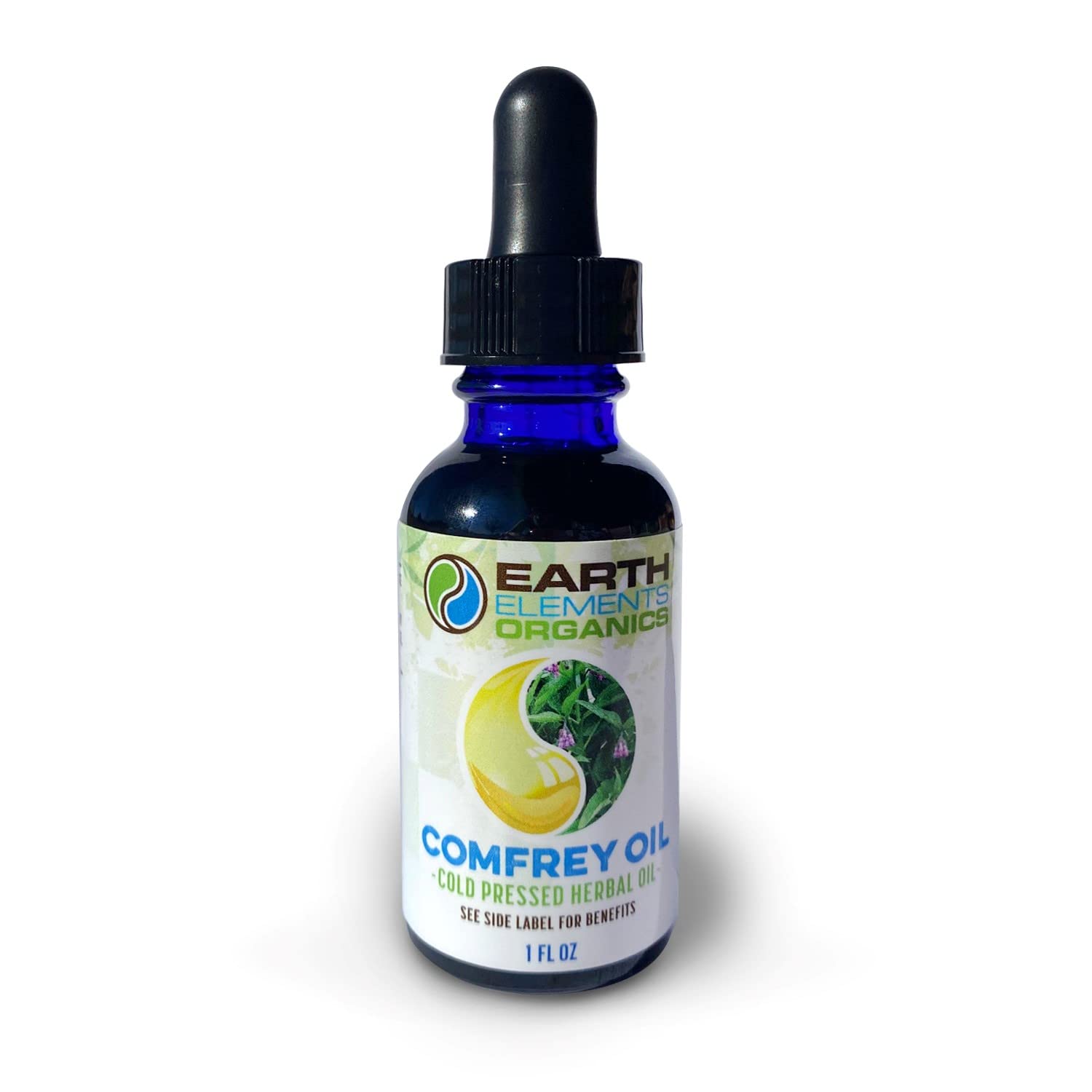
In 2001, the US Food and Drug Administration banned comfrey based products which intended for internal use. Here are some comfrey based products for external use I found on Amazon.


Earth Elements Organics Organic Comfrey Oil Dr. Christophers Formulas Comfrey Ointment


Reference:
T.M. Teynor, D.H. Putnam, J.D. Doll, K.A. Kelling, E.A. Oelke, D.J. Undersander, and E.S. Oplinger. (1997)
http://www.hort.purdue.edu/newcrop/afcm/comfrey.html


Translate This Blog

Sponsored Ads

Dnox's Crafter

Sustain Me by Barbara O’Neill

Murder by Injection: The Story of the Medical Conspiracy Against America by Eustace Clarence Mullins

The Big Bamboozle: 9/11 and the War on Terror by Philip Marshall

Want to start a new career as a quality assurance software tester? Join the greatest community of testers!
Learn. Earn. Connect.

Ready to become a freelance tester?
Work from anywhere!

Get paid for your opinion
Give brands a piece of your mind!

TheraICE Migraine Relief Cap

Eclat Vitamin C Face Serum

Earn money with Clickworker

Followers

About Me

My photo
" Let us not waste our health to look for treasure and then squandered our treasure to seek health " - Verdi

Web Statistics


Get your own flagcounter!

free counters

free counters

Project Hail Mary by Andy Weir

Why a Son Needs a Mom by Gregory E. Lang

Theo of Golden by Allen Levi

Misty Sunset & Tree Plant Picture

The Nightingale by Kristin Hannah

A Little Life by Hanya Yanagihara

ITO EN Oi Ocha Green Tea - Tea Bags 40ct

Minyak Kayu Putih Cap Lang