Watch Spider-Noir - Season 1 (2026) on amazon Prime!

Showing posts with label plant. Show all posts

The Miracle Moringa

November 25, 2016

Moringa oleifera
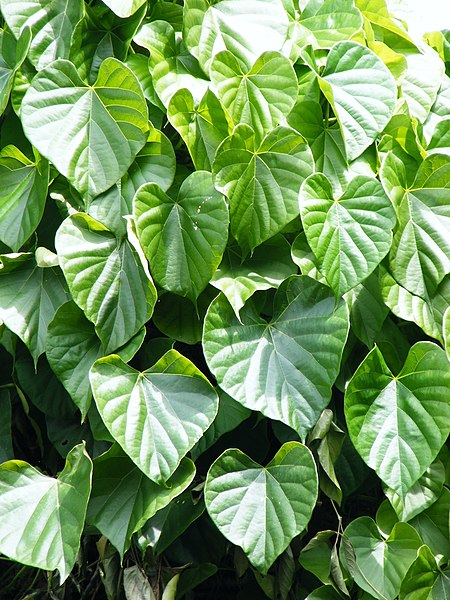
(a) A tree of Moringa oleifera, (b) Moringa flowers and leaves.

Moringa oleifera Lam. is a miracle plant, native to the Indian subcontinent, where its various parts are valuable for food and medicine. Moringa is also called plant that never die, due to its ability to survive harsh weather and drought. In Indonesia, moringa is known as kelor. Kelor, in Javanese tradition, is often to be connected with its magical, or supranatural properties.

Moringa is also known as drumstick tree, horseradish tree, clarifier tree, ben oil tree, and benzoil tree. Other common names of moringa, includes, Kalor, Merunggai, Sajina (Malay), Chùm ngây (Viet), Ma-rum (Thai), Malunggay (Tagalog), Sahjan (Hindi), Surajana (Sanskrit), Sajiwan, Swejan (Nepali). Moringa can grow either, in lowland, or highland up to 1000 m above sea level, and reach a height of 7–12 m.

The seed of moringa is said to be eaten like a peanut, in Malaya. Thickened root used as substitute for horseradish. Foliage eaten as greens, in salads, in vegetable curries, as pickles, and for seasoning. Leaves pounded up, to be used for scrubbing utensils, and also for cleaning walls.

In Africa, commonly planted as a living fence tree. Moringa trees planted on graves are believed to keep away hyenas, and its branches are used as charms against witchcraft.

Moringa is called miracle plant, because it has many active substances, or bioactive compounds, such as:

  • Anti-aging.
  • Anti-anxiety, or Anxiolytic.
  • Antibacterial.
  • Antibiotic.
  • Anti-depressant.
  • Antidiabetic
  • Antiepileptic.
  • Antifungal.
  • Anti-hypertensive
  • Anti-hyperthyroidism (substance that inhibits hyperthyroidism, an excessive production of thyroid hormone by the thyroid gland).
  • Anti-inflammation.
  • Antimicrobial.
  • Antioxidant.
  • Anti-progestational (disturbing the phase of the menstrual cycle).
  • Antipyretic.
  • Antiscorbutic (rich in vitamin C).
  • Antispasmodic (substance that relieves, prevents, or lowers the incidence of muscle spasms).
  • Antitumor.
  • Anti-ulcer.
  • Counter-irritant (applied to the skin to provoke a mild inflammation, and relieve deeper pain, either by improving the blood supply, or by interfering with the passage of sensory nerve impulses).
  • Diuretic (promotes the increased production of urine, to help reducing the amount of water in the body, and to lower high blood pressure).
  • Emmenagogue (substance that stimulate blood flow in the pelvic area, and uterus, to promote menstrual discharge).
  • Estrogenic (substance which acting like estrogen).
  • Galactagogue (promotes lactation, in humans and animals).
  • Hepatoprotective.
  • Hypocholesterolemic (substance that promotes hypocholesterolemia, condition of abnormally low levels of cholesterol in the blood).
  • Hypoglicemic (substance that promotes hypoglycemia, or insulin reaction, or low blood sugar).
  • Purgative (substance that makes you empty your bowels).
  • Rubefacient (substance for external application that produces redness of the skin, by causing dilation of the capillaries, and an increase in blood circulation, to relieve acute, or chronic pain).
  • Stimulant (substance that induce temporary improvements in either mental, or physical functions, or both).


FRESH HEALTHCARE Moringa Oleifera


Moringa History as Folk Medicine

According to NCI's Jonathan L. Hartwell's works of study from 1967–1971, the roots of moringa are used in folk remedies for tumors. In Nicaragua, the root decoction is used to treat dropsy.

Moringa roots are bitter, acrid, and pungent, which act as a tonic to the body and lungs, are taken to promote digestion. Moringa roots are also act as an expectorant, mild diuretic, and a stimulant in paralytic afflictions, epilepsy, and hysteria

Moringa leaves, which have purgative properties, applied as poultice to relieve sores, and rubbed on the temples for headaches. Moringa leaves are used as poultice on the abdomen to expel intestinal worms.

In Guatemala, moringa leaf is used for skin infections and sores. In Malaysia, Puerto Rico and Venezuela, it is used as a cure for intestinal worms. In Nicaragua, moringa leaves are used to cure headache. In Philippines, it is used to cure anemia, glandular swelling and lactation. In Senegal, moringa leaves are used to treat diabetes.

Moringa leaves are rich in vitamins A and C, ß carotene, potassium, calcium, iron and phosphorus.

Moringa leaves have the calcium equivalent of four glasses of milk
The vitamin C content of seven oranges
Potassium of three bananas
Three times the iron of spinach
Four times the amount of vitamin A in carrots
Two times the protein in milk

The decoction of moringa flowers, combined with cow's milk, is an excellent herbal tonic for sexual weakness, and functional infertility of both males, and females. Powdered moringa bark is used to improve quality of semen, and premature ejaculation in male.

Moringa is a natural medicine for digestive disorder. The combination of fresh leaf extract, one teaspoon honey, and one glass of coconut water is an excellent herbal antidote for cholera, diarrhea, dysentery, jaundice, and colitis.

Moringa leaf extract mixed with cucumber, or carrot juice is a natural antidote for dysuria, and high acid percentage in urine. Moringa leaf extract mixed with lime juice is helpful for the treatment for pimples, black head, and age spots. On regular use it adds natural radiance on skin tone.

An ointment which is made from moringa leaves mixed with whiting (calcium carbonate) is used to treat rheumatism. The decoction of fresh leaves extract mixed with one teaspoon honey, and one glass of water is used to treat nyctalopia (night-blindness). An eye drops which are made from moringa leaves extract is used to treat eye-ache.


FRESH HEALTHCARE Moringa Oleifera


Moringa in Javanese Tradition

Dunia Tak Selebar Daun Kelor

Above quote translates in English as The world is not as wide as moringa leaf. Other common English quote, which is similiar to above quote, The world is bigger than your backyard. The meaning is quite simple, that is, the world is not as small as you think it is. Open up your view, and not just being shallow minded people! We all have different parts to make this world a better place. Start from your little place called home.

Moringa or kelor in Javanese tradition, as I have mentioned earlier in this post, is connected with its magical, or supranatural properties. Just like in Africa, which kelor branches are used as charms against witchcraft, Javanese people believed, that kelor trees planted on homeyard, are also used as charms against witchcraft.

Kelor branch with some leaves attached is used to remove supranatural thing inside near death, or coma patient, by hitting the patient's body with the branch. Supranatural thing, or susuk in Javanese term, that I mentioned before, is a kind of silver, or gold needle. Susuk is planted below the skin of elbow, shoulder, foot, arm or face, to use it as charms, for labor job, in sports, for health and longevity.

My Great Grandfather, which I had mentioned about him in my earlier post, who died at the age of 95 years, was also had to be hit with a branch of kelor leaves, to remove the susuk inside his body, in order to give him a peaceful death, in his bed.

Kemade kelor, or in English is known as moringa parasite, is a kind of parasite which is seldom be found on moringa branches. Javanese people believed that kemade kelor have more healing effects than any other parts of moringa tree. Only for those who needed the most, for healing purpose, could found it.

My friend was once told me a story about his neighbour who searched for kemade kelor on a metre of height moringa tree, near his house. His neighbour could not find it anywhere on the tree. But an hour later, his brother searched again the kemade kelor for his brother's friend. His brother managed to find this amazing kemade kelor for his friend. I couldn't find any image in the internet about this magical, and miraculous moringa parasite.

Mustika galih kelor, or in English known as moringa bark fossil, is a stone which is made from moringa bark fossil. The stone could also be found on a 12 m height of hundreds years old moringa tree. Javanese people believed that by wearing the stone, it will gain several magical effects, such as unlimited health, body armour, and charms against witchcraft.


Maju's Organic Moringa Powder Moringa Powder 1LB (16Oz) 100% CERTIFIED Organic Oleifera Leaf - (100% PURE LEAF | NO STEMS) - Raw from Egypt | Smoothies | Drinks | Tea | Recipes - Resealable Bag


Moringa Tea Lemon 30 Bags By Bio Nutrition Incicon Moringa 60 Vegi Caps By Puritan's Prideicon


References:

Anticancer Drug From Aromatic Herb of Wormwood

February 18, 2014

Artemisia absinthium Artemisia annua

Wormwood, perennial aromatic herb, is native to North America, Europe, Asia, and North Africa. Wormwood (Artemisia absinthium) has grooved, and angled stems bear silky, fernlike leaves, and small, drooping, yellow flowers.

Wormwood leaves yield a bluish green volatile oil, which is used to make absinthe, a green alcoholic drink, which has strong and bitter flavor. Absinthe has antihelminthic properties, and may be used medicinally to treat intestinal worms. But, the excessively use of absinthe may have a fatally toxic effect, such as, convulsion and kidney failure.

There are many varieties of wormwood from Artemisia family. Artemisia annua, which is known as sweet wormwood, or Qing Hao (Chinese), has been used for centuries as herb, in Traditional Chinese Medicine (TCM), to treat malaria, dysentery, and many diseases.

Since the discovery of artemisinin, an active compound isolated from sweet wormwood, in early 1970s, several scientific studies have focused on its anti-parasitic effects. Scientists also studied artemisinin semi-synthetic derivatives, in which include, dihydroartemisinin (DHA), artemether, arteether, and artesunate. The effects of artemisinin has being investigated in diseases, such as, infections, cancers and inflammation.


Starwest Botanicals Organic Wormwood Herb Nutricost Wormwood Capsules

Some studies have been reported, both in vitro, and in vivo, the anticancer activity of artemisinin, and demonstrated its cytotoxic effects against a variety of cancer cells. Artemisinin had shown its inhibitory effects on cancer cell growth, and anti-angiogenetic activity. A study found that artemisinin, might be used as a potential chemotherapeutic agent, in melanoma (skin cancer) treatment. (Buommino E, et al. 2009)

Dihydroartemisinin (DHA), a semi-synthetic derivative of artemisinin, isolated from Artemisia annua, has been shown to possess promising anticancer activities, and induced cancer cell death. A study had shown that, DHA can inhibit proliferation, and induce apoptosis. The result provided evidence for further studies of DHA, as a possible anticancer drug, in the clinical treatment of lung adenocarcinoma. (Lu YY, et al. 2009)

Artemisinin had been shown to kill cancer cells in vitro selectively, and slowed the growth of tumors in rats. A study resulted that artemisinin, and its semi-synthetic analogs, could be inexpensive, and effective cancer agents. (Singh NP, et al. 2004)

While another study found that, artemisinin was a relatively safe compound, and caused no known side effects, even at high oral doses. The study indicated that, artemisinin might be a potent cancer chemoprevention agent. (Lai H, et al. 2006)


Health Benefits of Cincau

December 23, 2013

Black cincau (black grass jelly)
Image from wikimedia

Cincau, an Indonesian famous ingredient commonly used for beverages, turns out to have many health benefits. Other common names of cincau, include, grass jelly (English), khruea ma noi, chao kuai (Thailand), cao, juju, kepleng (Javanese), camcauh, tahulu (Sundanese), xian cao, hsian tsao (Taiwan).

Cincau is made traditionally by first washing the leaves, finely crushed, and added with warm water. The water soluble is then separated from the leaves, left until it is cold, and turned into a jelly.

It might also simply by soaking the leaves into water, for about five minutes, and then squeeze them. The leaves will stick together like glues. The more sticky means better quality of Cincau leaves.

Moreover, the gel content in cincau, is affected by the altitude. The highest content of the gel is found in the leaves, which are planted at minimum of 2000 meters asl. (Widyaningsih TD, et al. 2012)

According to Kooiman P, 2006, the solubility of such a pure, and highly esterified pectin, from cincau plant cell walls, in cold water, seems to occur only in a restricted number of plant species.

Different varieties of cincau, whether they are derived from the leaves of Mesona palustris, Mesona chinensis, Mesona procumbens, or Cyclea barbata, all them possess the same health benefits.

Cyclea barbata Miers
Cyclea barbata Miers.

Green cincau is made from the leaves of Cyclea barbata, in which is reported to be originated from Silent Valley, Kerala, India. Cyclea barbata is commonly used, as a medicinal plant by Javanese people, for stomach troubles, and as a prophylactic against fever. (Manilal KS, et al. 1985)

Five bisbenzylisoquinoline alkaloids, in which among them, tetrandrine, limacine, thalrugosine, homoaromoline, and cycleapeltine, were extracted from the roots of Cyclea barbata, had demonstrated cytotoxic, and antimalarial activities. (Lin LZ, et al. 1993)

Mesona palustris
Mesona palustris
Image from sito

Black cincau is made from the leaves of Mesona palustris, or other Mesona family plants. Black cincau has been reported to possess antioxidant, antibacterial, antimutagenic, hepatoprotective, antihypertensive, antidiabetic, immunomodulatory and cancer preventive properties. Black cincau is believed can be used to treat fever, abdominal pain, diarrhea, cough, mouth sores, high blood pressure, diabetes and liver disease.

Recent study was aimed to demonstrate the immunomodulatory property of a black cincau, in a form of instant tea powder, using Salmonella thypimurium induced mice. The beverage, in which was added with cinnamon and pandan leaves extracts, had the ability to increase interferon gamma (IFN-γ), and immunoglobulin G (IgG), in Salmonella thypimurium induced mice, at dose of 18,2 mg/20 g body weight, and 36,4 mg/20 g body weight. (Widyaningsih TD, et al. 2013)

Black cincau, which is tasteless in nature, is easily found to be sold, whether in a traditional market, or in a supermarket. Even though cincau beverages possess many health benefits, but another ingredients to make cincau beverages more tasty, might be questionable for health.

The use of sugar in a large amount, or artificial sweetener that is used by traditional cincau beverages seller, will make cincau no longer healthier. Even worse, if the seller made his own cincau, by adding the soluble water of the leaves with borax, to make it more gummy, and lasts longer to be sold.


Ding Fong Black Grass Jelly Powder Nutrijel Jelly Powder Rasa Cincau (Pack of 6)


Related articles:

Tea vs. Cancer

November 25, 2013

Tea
Tea
Image is courtesy of Sentra Informasi IPTEK

Who are in this world who do not know tea? Tea is popular beverages consumed around the world. Black tea is the most common tea beverage consumed in the world, about 75% of the world's tea consumption.

When I think about tea, I remember to my friend, lets called him Andy, who once made a crossword puzzle game, which in Bahasa Indonesia is known as teka teki silang, or TTS. But, he changed the TTS to tanya tanya saja, which means in English as just asking, a humour crossword puzzle game.

Andy made a question which had an answer of five empty boxes, or five letters answer. The question was, when translated in English as: What is the traditional drink of Indonesian people? My other friends, including me were so hard to find the answer. All of my friends answers were claimed by Andy as the wrong answer.

You know what? Andy said that the correct answer is five letters word (which actually the combination of two words) of esteh. The ridiculous answer that made everybody laugh including me, es teh, which in English means ice tea, is not only a common drink for most Indonesian people, but also for all the people around the world.

The data from the Indonesian Ministry of Health is mentioned that, cancer prevalence in Indonesia, in 2012, has reached 4.3 in every 1,000 people. If the Indonesian population is 251,160,124 (CIA Factbook, July 2013 est.), it means that there are more than 1,079,988 cancer patients, in Indonesia, in 2013.

Tea (Camellia sinensis [L.] Kuntze), is known by many common names, such as, enteh (Sundanese), pu erh cha (Chinese), theler(France), teestrauch (German), te (Italy), cha da India (Portugal). Tea is believed to be originated from the north of India (Camellia sinensis var. assamica), and South China (Camellia sinensis var. sinensis).

The varieties of tea, such as, black tea, green tea, oolong tea, white tea, and etc, are all harvested from the species of Camellia sinensis [L.] Kuntze, but are processed in different levels of oxidation. Black tea is produced when tea leaves are wilted, bruised, rolled, and fully oxidized. Green tea is made from unwilted leaves that are not oxidized. Oolong tea is made from wilted, bruised, and partially oxidized leaves, creating an intermediate kind of tea. White tea is made from young leaves, or growth buds that have undergone minimal oxidation.

Tea and Cancer Prevention

Tea contains polyphenol compounds, particularly catechins, which are antioxidants and whose biological activities may be relevant to cancer prevention. Catechins are thought to be responsible for the health benefits, that have traditionally been attributed to tea, especially green tea. That is why most studies of tea and cancer prevention have focused on green tea. Black tea, although not as well studied as green tea, has also shown cancer preventive effects, in laboratory models.

Polyphenols in green tea include, Epigallocatechin-3-gallate (EGCG), Epigallocatechin (EGC), Epicatechin-3-gallate (ECG), and Epicatechin (EC). But, the most active, and abundant catechin, in green tea is EGCG. Meanwhile, EGCG and ECG have substantial free radical scavenging activity, and may protect cells from DNA damage, caused by reactive oxygen species. Researchers also believe that, polyphenols help kill cancerous cells, and stop them from growing.

Black tea contains much lower concentrations of catechins than green tea. Oolong tea contains a mixture of simple polyphenols, such as catechins, and complex polyphenols. White and green tea contain similar amounts of EGCG, but different amounts of other polyphenols.

Most animal studies on tea have been found to inhibit tumorigenesis at different organ sites, including the skin, lung, oral cavity, esophagus, stomach, small intestine, colon, liver, pancreas, and mammary gland. But, the results of human studies, both epidemiologic, and clinical studies have been inconclusive.

The inconsistencies in study findings regarding, tea and cancer risk, may be due to variability in tea preparation, tea consumption, the bioavailability of tea compounds (the amounts that can be absorbed by the body), lifestyle differences, and individual genetic differences. That is why, the National Cancer Institute does not recommend for, or against the use of tea, to reduce the risk of any type of cancer.

Several Human Clinical Studies on Cancer

Breast Cancer

A pooled analysis of two prospective cohort studies among 35,004 Japanese women, found that green tea intake was not associated with a lower risk of breast cancer. (Suzuki Y, et al. 2004)

Recent cross sectional study among 191 healthy Japanese American women, suggested that intake of green tea may modify estrogen metabolism, and reduce the risk of breast cancer. Polyphenols in green tea can influence enzymes that metabolize estrogens, known causal factors in breast cancer etiology. (Fuhrman BJ, et al. 2013)

Colorectal Cancer

A prospective cohort study among 58,279 men, and 62,573 women aged 55-69 years, in Netherlands, failed to reveal a protective effect of tea consumption, on the risk of three cancer types studied (colorectal, lung, and breast cancers). (Goldbohm RA, et al. 1996)

A cohort study among 69,710 Chinese women, aged 40 to 70 years, which followed up six years later, suggested that regular consumption of green tea may reduce colorectal cancer risk in women. (Yang G, et al. 2007)

A prospective cohort study of diet and cancer involving more than 60,000 men and women, in Singapore, found that the intake of black tea was not associated with risk of colorectal cancer. (Sun CL, et al. 2007)

Digestive Tract Cancer

A comparative case referent study of 21,128 people aged 40 years and over, in Nagoya, Japan, suggested the potential for protective effect against site specific digestive tract cancer, by consumption of green tea and coffee. (Inoue M, et al. 1998)

A large population based prospective cohort study among 69,310 women, and 1,255 cases of digestive system cancers (stomach, esophagus, colorectal, liver, pancreas, and gallbladder/bile duct cancers) were followed up for 11 years since 2000 until 2011. The study found that regular tea intake, mostly green tea, was associated with reduced risk of all digestive system cancers combined, and women who consumed ≥150 g tea/month (2-3 cups/day) had a 21% reduced risk of digestive system cancers combined. The study concluded that tea consumption was associated with reduced risk of colorectal, stomach, and esophageal cancers, in Chinese women. (Nechuta S, et al. 2012)

Gastric Cancer

A population based, prospective cohort study among 11,902 men, and 14,409 women, aged 40 years or older, in Miyagi Prefecture, in northern Japan, found no association between green tea consumption, and the risk of gastric cancer. (Tsubono Y, et al. 2001)

Follow up study from a pooled analysis of six cohort studies, among 219,080 subjects, in 3,577 cases of gastric cancer, found that green tea may decrease the risk of distal gastric cancer in women. Compared with those drinking less than 1 cup/day, no significant risk reduction for gastric cancer was observed, with increased green tea consumption in men. However, in women, a significantly decreased risk was observed, for those with consumption of 5 cups, or more in a day. (Inoue M, et al. 2009)

Ovarian Cancer

An Australian population based, case control study (1,368 cases and 1,416 controls), found that women who drink green tea, have a lower risk of ovarian cancer, and the study supported for the hypothesis that, tea consumption reduces the risk of ovarian cancer. (Nagle CM, et al. 2010)

Stomach Cancer

A study based on 157 incident cases, and 285 people aged 40-79 years, found no inverse association between green tea consumption and the risk of stomach cancer. (Hoshiyama Y, et al. 2004)

Conclusion:
Despite of the National Cancer Institute recommendation, drinking different types of tea beverages will have different effects in any person. My living grandfather, who aged 89 years old, is always drinking black tea without sugar, twice a day, in the morning and afternoon.


Note:

The main reason why I wrote this article, is because couple of days ago, an anonymous spammer wrote comments (twice) with a link promotion, which lead to an article about green tea. The article claimed a fact that, ...people in green tea consuming countries mainly Japan, and China have very low rates of cancer.....

But, I disagree with the article, because based on Globocan 2008 data, Japan was in the top 46 of the highest cancer rate in men, with the ASR of 247.3 per 100,000 people. China was not listed in the top 50 of Globocan 2008 data.

But, report from Chen W, et al. 2013, the crude incidence rate, in Chinese cancer registration areas, in 2009, was 285.91 per 100,000 people. Meanwhile, a news in August 2010, Chen Zhu, minister of China's Ministry of Health said that, there were about 2.6 million people in China, who suffered cancer annually, in which 1.8 million patients died.


Twinings English Breakfast Tea Taylors of Harrogate Yorkshire Gold

References:

Tea and Cancer Prevention
National Cancer Institute
http://www.cancer.gov/cancertopics/factsheet/prevention/tea

Green tea
University of Maryland Medical Center
http://umm.edu/health/medical/altmed/herb/green-tea (Web Archive 8/24/2014).

From The Bitter Taste of Bratawali

November 07, 2013

Tinospora cordifolia
Bratawali (Tinospora cordifolia)
Image from Wikimedia.org

Bratawali (Tinospora cordifolia) is a well known plant in Indonesia. Bratawali is often used as jamu paitan, or Javanese traditional herbal drink, which has a bitter taste. When making jamu paitan, the stems extract of bratawali, is often mixed with mint leaves.

Common bratawali names include, brotowali, putrawali, daun gadel (Javanese), andawali (Sundanese), antawali (Balinese), shen jin teng, kuan jin teng (Chinese), guduchi, guluchi, amritavalli, amrta, cinnodbhava, gulvel (India). Bratawali is common used in Ayurvedic, and Traditional Chinese Medicine (TCM), as a herbal remedy.

The Javanese's jamu paitan makers often promote bratawali, as a herbal remedy for lowering the risk of having diabetes, and also as a blood cleansing agent. Below are some studies which demonstrated the effects of bratawali.

Animal Studies

Study by Department of Anatomy, Faculty of Medicine, Universiti Kebangsaan Malaysia, Kuala Lumpur, Malaysia, was conducted to determine the effect of ethanolic extract of the dried stems of bratawali, in a male rat model of hepatic fibrosis, caused by the hepatotoxin, thioacetamide.

The results showed a significant increase in the activity of liver enzymes, bilirubin and G-glutamyl transferase and gross. The histopathological changes were also determined. (Kadir FA, et al. 2011)

Diabetes mellitus often leads to disability from vascular complications and neurological complications. A study by Institute of Pharmacology, College of Medicine, National Taiwan University, Taipei, Taiwan, was investigated the hypoglycemic actions of borapetoside C isolated from bratawali.

Three groups of mice were used in the study, normal mice, type 1 diabetes mellitus mice, and type 2 diabetes mellitus mice. Overall, the study proved that borapetoside C can increase glucose utilization, delayed the development of insulin resistance and enhanced insulin sensitivity.

The activation of IR-Akt-GLUT2 expression, and the enhancement of insulin sensitivity, may contribute to the hypoglycemic action of borapetoside C, in diabetic mice. (Ruan CT, et al. 2012)

Recent follow up study by Ruan CT, et al. aimed to explore the hypoglycemic effects of borapetoside A, the most active diterpenoid among others (borapetosides B, and C), which isolated from the ethanol extract of bratawali.

The study resulted that borapetoside A was shown to increase the glycogen content and decrease the plasma glucose concentration, in a concentration, or dose-dependent manner, both in vitro, and in vivo.

The hypoglycemic effects in the normal mice, and the mice with type 2 diabetes mellitus were associated with the increases of the plasma insulin levels. But, the insulin levels remained unchanged in the mice with type 1 diabetes mellitus. (Ruan CT, et al. 2013)

A study by Department of Physiology, Faculty of Science, Prince of Songkla University, Hat-Yai, Songkhla, Thailand, was aimed to identify the active components of bratawali extract, and to investigate the mechanisms of the actions, on blood pressure, and heart rate, in anesthetized rats.

Five active compounds, adenosine, uridine, salsolinol, higenamine, and tyramine, which were isolated from bratawali, acted in concert on the cardiovascular system of anesthetized rats. (Praman S, et al. 2012)

Follow up study by Praman S, et al. resulted that bratawali extract caused an increase in the force of contraction of the electrical field stimulated left atrium. The study concluded that crude extracts of bratawali exert a positive inotropic effect, on the electrical field stimulated isolated left atria.

The results were also from the concerted actions of five bratawali bioactive compounds: higenamine, salsolinol, tyramine, adenosine and uridine. (Praman S, et al. 2013)

Human Study

Although several studies using rats or mice were successfully, but not in human study. So far, I only managed to find a study by Department of Medicine, Ramathibodi Hospital, Faculty of Medicine, Mahidol University, Bangkok, Thailand. The study aimed to determine the effects of bratawali on serum glucose, and insulin levels, in healthy subjects, and patients with type 2 diabetes mellitus.

Serum from ten healthy subjects, and ten diabetic participants, who had fasted overnight. The serums were obtained every 30 to 60 minutes during the 3 hours of continued fasting, and during the 3 hours after ingestion of 75g of glucose. With or without ingestion of 125g, or 250g of bratawali dry powder capsule. Glucose, and insulin levels were analyzed. The areas under the curve for mean serum glucose, and insulin levels, were also calculated.

Both healthy and diabetic participants were not significantly different between with, or without bratawali dry powder capsule. The results suggested that bratawali ingestion cannot affect serum glucose, and insulin levels, in healthy subjects, or patients with type 2 diabetes mellitus. (Klangjareonchai T, et al. 2012)

Further studies using human subjects are needed to give more valuable information, in regarding the health benefits of bratawali.


biXa Guduchi Powder Sandhu's Guduchi

Plumbagin vs. Cancer

September 20, 2013

The blossoming flower of Plumbago zeylanica Linn.

Plumbago zeylanica Linn., or known as daun encok, in Bahasa Indonesia, is an African wild bush that can grow near a river, and highlands up to 800 m asl. Plumbago zeylanica has been used as folk medicine, in Ayurveda, and Traditional Chinese Medicine (TCM). Plumbago zeylanica is believed to be originated from Sri Lanka. (Sentra Informasi IPTEK)

Plumbago zeylanica is also known by many common names, such as, Ceylon leadwort, doctorbush, white flowered leadwort (English), chitrakmool, citrak, agni, chitra, chitraka (India, Pakistan), bama (Balinese), ki encok (Sundanese), godong encok (Javanese), kareka (Maduranese), ceraka (Sumatera), and oporie (Timor Leste).

Several studies have indicated that plumbagin (5-hydroxy-2-methyl-1,4-naphthoquinone), compounds isolated from the roots of Plumbago zeylanica, possess antifertility, anticancer, antidiabetic, anti-bacterial, and anti-inflammatory activities. Moreover, plumbagin have been proven to possess anti-tumor activity both, in vitro, and in vivo.

The roots of Plumbago zeylanica have been used in Ayurveda for more than 2500 years ago, as an anti-atherogenic (helps manage healthy cholesterol, and triglyceride levels), cardiotonic (a cardiac stimulant, which acts as a stimulant of the heart), hepatoprotective (an antihepatotoxicity, the ability to prevent damage to the liver), and neuroprotective (the ability to exert a destructive, or poisonous effect upon nerve tissue) agent.

Plumbagin and Leukemia

An in vivo study by Institute of Hematology, Beijing, China, was aimed to investigate the anticancer effect of plumbagin, using human promyelocytic leukemia (a cancer of the blood forming tissue) cells, NB4, in NOD/SCID (Non Obese Diabetic/ Severe Combined Immunodeficiency) mice. The study was observed the incidence of formation, growth characteristics, body weight, and volume of tumors.

The results showed that intraperitoneal injection (IP injection, the injection of a substance into the peritoneum, or body cavity)of plumbagin (2mg/kg body weight) daily, for three weeks, resulted to a 64.49% reduction of tumor volume.

Moreover, there was no side effects, such as, weight loss, tissue damage, and behavior change, which appeared in doxorubicin (adriamycin, a chemotherapy drug given to treat many different types of cancer) treated mice. The results indicated that plumbagin has potential as a novel therapeutic agent for myeloid leukemia. (Xu KH, et al. 2010)

Plumbagin and Gastric Cancer

A study which aimed to investigate the effects of plumbagin, on human gastric cancer cells (SGC-7901, MKN-28, and AGS), had resulted that 10 μmol/L of plumbagin managed to controll the expression of NF-κB gene products, including IAP1 (Inhibitor of Apoptosis Protein 1), XIAP (X-linked Inhibitor of Apoptosis Protein), Bcl-2 (B-cell lymphoma 2), Bcl-xL (B cell lymphoma extra long), TF (Tumor Factor), and VEGF (Vascular Endothelial Growth Factor).

DR WAKDE'S Chitrak Capsules

The study concluded that plumbagin managed to inhibit cell growth, and have potentially apoptosis, in human gastric cancer cells, through the NF-κB pathway. (Li J, et al. 2012)

Plumbagin and Skin Cancer

Two types of skin cancer are basal cell carcinoma, and squamous cell carcinoma. Squamous cell carcinoma may occur in normal skin, or in skin that has been injured, or inflamed. A study at University of Wisconsin, Madison, WI, USA, presented the application of non toxic doses (100-500 nmol) of plumbagin, which managed to inhibit the development of squamous cell carcinomas, in ultraviolet radiation induced mice.

During the period of the experiment, mice were gained weight and did not exhibit any signs of toxicity. The study suggested that plumbagin may be used as a novel agent for the prevention of skin cancer. (Sand JM, et al. 2012)

Plumbagin and Pancreatic Cancer

Pancreatic cancer is the most aggressive malignant disease, in which became the fourth most leading cause of cancer related death among men, and women, in the United States. Another study at University of Wisconsin, demonstrated the effect of plumbagin against pancreatic cancer cells (PANC1, BxPC3 and ASPC1) in mouse model.

The IP injection of plumbagin (2 mg/kg body weight), for 5 days, in SCID mice, which began three days after the implantation of PANC1 cells, had resulted in a significant inhibition of both tumor weight, and volume. The study suggested that plumbagin, which had shown to inhibit the growth of pancreatic cancer cells, both in vitro, and in vivo model systems, may be used as a novel therapeutic agent against human pancreatic cancer. (Hafeez BB, et al. 2012)

Plumbagin and Prostate Cancer

Recent study by Bilal Bin Hafeez, which was indexed in PubMed, seven months later, after the previous study, presented that plumbagin inhibits growth, and metastasis of human prostate cancer (PC-3M-luciferase cells) in mouse model. The study suggested that plumbagin could be used as a therapeutic agent for the prevention, and treatment of human prostate cancer, because managed to inhibits tumor growth, and metastasis of human prostate cancer, PC3-M-luciferase cells. (Hafeez BB, et al. 2013)

HerbsForever Chitrakmool Powder

Plumbagin and Lung Cancer

Recent study at Nanjing Medical University, Nanjing, China, had demonstrated the effects of plumbagin on proliferation (rapid reproduction of a cell, part, or organism), and apoptosis (the process of programmed cell death, or death of a cell in any form), in human non small cell lung cancer cell lines (A549, H292 and H460). All cancer cell lines were treated with various concentrations of plumbagin.

The study concluded that plumbagin managed to inhibit cell growth, and induce apoptosis, in human lung cancer cells, through inactivation of NF-κB (nuclear factor-kappaB, a protein complex that controls the transcription of DNA, in which regulates several genes associated with inflammation, proliferation, carcinogenesis, and apoptosis). (Xu TP, et al. 2013)

Plumbagin and Human Tongue Carcinoma

Recent study at Wuhan University, Wuhan, China, reported the inhibitory effect, and the underlying mechanism of plumbagin, on the growth of human tongue squamous cell carcinoma (Tca8113). The study resulted that plumbagin inhibited the growth, proliferation, and induced the apoptosis of Tca8113 cells, in vitro, in a concentration, and time dependent manner. (Qiu JX, et al. 2013)

Even though from several studies above, had shown that plumbagin inhibit the growth of human cancer cells, both in vitro, and in vivo model systems, but all studies were only using human cancer lines, in mouse model, and not in real cancer patients. Further studies are still needed to be demonstrated in real cancer patients.

Vidanga, The Therapeutic Agent for Osteoporosis, Diabetic and Cancer

April 29, 2013

Embelia ribes Burm.

Vidanga, or known botanically as Embelia ribes Burm., has been used as Ayurvedic herbs to treat fever, inflammatory diseases, and gastrointestinal ailments for thousands of years. Vidanga was first described by Nicolaas Laurens Burman, a Dutch botanist, in 1768.

Embelin (2,5-dihydroxy-3-undecyl-1,4-benzoquinone), an active compound derived from vidanga, has been shown to possess antitumor, anti-cancer, anti-diabetic, anti-inflammatory, analgesic, antioxidant, antihyperglycaemic, anthelmintic (drugs that expel parasitic worms from the body), antifungal, anticonvulsant (antiepileptic drugs), and cardioprotective properties.

The dried fruits of vidanga are mostly used as folk medicine by the Indian people, rather than its roots or its leaves. Vidanga is used to treat bronchitis, skin diseases, flatulence, migraine, cough, colic, constipation, and asthma. Vidanga is also useful for stamina booster and as an oral contraceptive. Due to its contraceptive effect, pregnant women are not allowed to take vidanga herb.

The Scientific Studies

Study had indicated that embelin is a novel nuclear factor-kappaB (NF-kappaB) blocker and potential suppressor of tumorigenesis. It is NF-kappaB which regulates several genes associated with inflammation, proliferation, carcinogenesis, and apoptosis. (Ahn KS, et al. 2007)

40 days of orally feeding aqueous vidanga extract, to streptozotocin induced diabetic rats, had produced significant decrease in heart rate, systolic blood pressure, blood glucose, blood glycosylated hemoglobin, serum lactate dehydrogenase, creatine kinase and the levels of pancreatic lipid peroxides.

The extract also significantly increased the levels of pancreatic superoxide dismutase, catalase and in blood glutathione levels. The study suggested that the aqueous vidanga extract had managed to exhibit a significant blood glucose, blood pressure lowering potential, and to enhance endogenous antioxidant defense against free radicals, which produced under hyperglycaemic conditions. (Bhandari U, et al. 2008)

Most cancer patients died not just because of the tumor in the primary organ, but because it has spread to other organs. Cancers, such as breast, myeloma, and prostate cancer, frequently metastasize (the spread of a cancer from one organ to another organ) to the bone.

NF-kappaB is also known as a major mediator of bone loss, which associated with cancer and other chronic inflammatory diseases. Study indicated that embelin had shown as an inhibitor of NF-kappaB and had great potential as a therapeutic agent for osteoporosis and cancer-linked bone loss. (Reuter S, et al. 2010)

Embelin had shown to reduce body weight gain, blood glucose, and plasma insulin, in the study using diabetic rats. The study suggested that embelin can be used in the prevention, and treatment of type 2 diabetes mellitus, caused due to obesity. (Gandhi GR, et al. 2013) Other study also suggested, that embelin can be used as a potential therapeutic candidate, for the prevention and treatment of prostate cancer. (Kim SW, et al. 2013)

Two vidanga products that are sold by Bazaar of India on Amazon.com:

Vidanga Herb Powder Wildcrafted Vidanga - Embelia ribes, 120 vegicaps

Chinese Antitumor Herbal Drugs (2)

March 01, 2013

Sophora subprostrata Sophora flavescens
Sophora subprostrata Sophora flavescens Ait

The rhizome of Sophora subprostrata and Sophora flavescens Ait are also used as herbs in TCM. The alkaloids isolated from the root are known as matrine, oxymatrine, and sophocarpine, in which all of them possess anticancer activities.

Matrine derived from Sophora flavescens Ait, which is widely used to treat diseases such as viral hepatitis, cardiac arrhythmia and skin inflammations, possesses strong antitumor activities in vitro and in vivo. (Ma L, et al. 2008)

Matrine is found successfully induced the apoptosis and inhibited the in vitro and ex vivo in the growth of human lung cancer A549 and hepatoma SMMC-7721 cells. (Zhang Y, et al. 2009)

Sophora subprostrata also called Sophora tonkinensis or Sophora tetraptera, was first recorded in the Kaibao Bencao (973 A.D.). Subprostrata is traditionally used to alleviate heat and toxin, to disperse swellings, for painful swelling in the throat, mouth, and gums, to clear lung heat, to alleviate constipation, and to resolve masses (including carcinoma).

Sophocarpine derived from the Genus of Sophora is also a potential antiarrhythmic (preventing irregularities or abnormal rhythms of the heart) agent. (Yang ZF, et al. 2011)

Trichosanthes kirilowii Maxim

Also known in English as Chinese cucumber. Trichosanthin, alkaloid isolated from the rhizome of Trichosanthes kirilowii Maxim, is used as TCM to drain heat and generate fluids, clear and drain lung heat, transform phlegm, moisten lung dryness, resolve toxicity and expel pus.

Trichosanthin also has abortifacient, antitumor, anti-HIV, and immunoregulatory functions. Trichosanthin may have potential therapeutic value for transplantation rejection and other inflammatory diseases. (Gong Q, et al. 2008)

Although trichosanthin might possible as a remedy for AIDS, but, these root extracts of Trichosanthes are extremely toxic, and self medication using the root extracts are not advised.

Strobilanthes cusia
Strobilanthes cusia

The leaf of Strobilanthes cusia, also known as Da Ching Yeh or Chinese Rain Bell, has been used in traditional Chinese medicine (TCM). This beautiful blooming shrub is also used as a garden plant. Based on pharmacological tests, indirubin, a compound derived from Strobilanthes cusia, has anticancer activity. (Li L, et al. 1993)

Strobilanthes cusia is used to treat influenza, epidemic cerebrospinal meningitis, encephalitis B, viral pneumonia, mumps, sore throat, aphthae, inflammatory diseases with redness of skin, and severe acute respiratory syndrome (SARS). The extract of Strobilanthes cusia leaves is also possessed antinociceptive (reducing pain sensations), anti-inflammatory and antipyretic effects.

Rabdosia rubescens
Rabdosia rubescens

The whole plant of Rabdosia rubescens, or also known as Dong Ling Cao, is used as herbs by TCM. Oridonin, a natural diterpenoid (hydrocarbons) purified from Rabdosia rubescens, managed to inhibit the growth of multiple myeloma (MM, U266, and RPMI8226), acute lymphoblastic T-cell leukemia (Jurkat), and adult T-cell leukemia (MT-1) cells. (Ikezoe T, et al. 2005)

In mouse experiments, the extract from Rabdosia rubescens suppressed breast cancer xenograft size and decreased the tumor vessel density. (Sartippour MR, et al. 2005)

The aqueous extract of Rabdosia rubescens, which has antiangiogenic activity, may demonstrated clinical efficacy as a treatment for advanced prostate cancer. (Meade-Tollin LC, et al. 2004)

The aqueous extract is also safe and effective for patients with chronic pharyngitis. (Ma Z, et al. 2011)

Cucumis melo Linn
Cucumis melo Linn

Also known as Muskmelon. Cucurbitacins, biochemical compounds derived from Cucumis melo, possess strong pharmacological properties, such as antitumor, anti-inflammatory, and hepatoprotective effects. Cucurbitacin B has a potential value for suppressing metastasis of human hepatoma cells. (Zhou X, et al. 2012)

Cucurbitacin B regulates immature myeloid cell differentiation and enhances antitumor immunity in patients with lung cancer. (Lu P, et al. 2012)

The combination Cucurbitacin B with chemotherapeutic agents, such as, docetaxel, or gemcitabine, can augment the antitumor and antiproliferative effects, in which inhibited the proliferation of MDA-MB-231 breast cancer cells in vitro. (Aribi A, et al. 2012)

This post is the second chapter from the previous post Chinese Antitumor Herbal Drugs.

Chinese Antitumor Herbal Drugs

February 26, 2013

Crotalaria sessiliflora

There are thousands of herbal drugs, which used for treating cancer in China. But most of them have not yet been studied. Nowadays, Traditional Chinese Medicine (TCM) is also become famous alternative treatment for cancer in my country of Indonesia.

Many patients who suffered from cancer, then turned their hopes for healing through alternative medication. Though all the hopes for healing are suppossed to be relied on the Lord, the one who give heal. But that is not closed for us to seek another alternative ways for our life span.

Below are some of plants which often used as antitumor drugs by TCM:

Cephalotaxus fortunei
Chinese Plum Yew

There two species of Chinese plum yew that are used as herbs, Cephalotaxus fortunei, and Cephalotaxus hainanensis. Only bark, root and twigs from plum yew tree which able to use as herbs. It is because of the active substance of harringtonine. Harringtonine is the antitumor agent that managed to inhibit the growth of P388 and L1210 leukemia (blood cancer) cells. (Kato T, et al. 1984)

Chinese Happy Tree
Chinese Happy Tree

It is also known as cancer tree, tree of life, or in Latin as Camptotheca acuminata Decne. The alkaloids isolated from the root, bark fruit, twigs, and leaves of happy tree are known as camptothecine. Camptothecin is a cytotoxic alkaloid which inhibits the DNA enzyme topoisomerase I (topo I). (Ye D, et al. 2012)

Indian Grass Lily
Indian Grass Lily

Known by the Botanical name as Iphigenia indica Kunth. Indian grass lily is a small perennial herb which is found in India and Nepal. Colchicine, a promising vascular disrupting agents in cancer therapy, is isolated in the bulb of Indian grass lily. (Crielaard BJ, et al. 2011)

Fresh White Turmeric Root by dICE

I had already described about white turmeric benefits in my previous post titled Zedoary, A Life Span For Cancer Patients. White turmeric (Curcuma zedoaria (Berg) Roscoe) possesses curcuminoids, active compounds which had antimetastatic, antitumor and antimigratory activities, in which able to give more life span to cancer patients. (Seo WG, et al. 2005)

Crotalaria sessiliflora
Purple Flower

It is also known as Crotalaria sessiliflora Linn. (Latin), Ye Baihe (China), Tanukimame (Japan), or Stalkless Blue Rattlepod. The alkaloids isolated in the whole plant are monocrotaline, which could be used for treatment of cervical, breast and rectum cancers.


Translate This Blog

Sponsored Ads

Dnox's Crafter

Sustain Me by Barbara O’Neill

Murder by Injection: The Story of the Medical Conspiracy Against America by Eustace Clarence Mullins

The Big Bamboozle: 9/11 and the War on Terror by Philip Marshall

Want to start a new career as a quality assurance software tester? Join the greatest community of testers!
Learn. Earn. Connect.

Ready to become a freelance tester?
Work from anywhere!

Get paid for your opinion
Give brands a piece of your mind!

TheraICE Migraine Relief Cap

Eclat Vitamin C Face Serum

Earn money with Clickworker

Followers

About Me

My photo
" Let us not waste our health to look for treasure and then squandered our treasure to seek health " - Verdi

Web Statistics


Get your own flagcounter!

free counters

free counters

Project Hail Mary by Andy Weir

Why a Son Needs a Mom by Gregory E. Lang

Theo of Golden by Allen Levi

Misty Sunset & Tree Plant Picture

The Nightingale by Kristin Hannah

A Little Life by Hanya Yanagihara

ITO EN Oi Ocha Green Tea - Tea Bags 40ct

Minyak Kayu Putih Cap Lang