Watch Reacher - Season 4 (2026) on amazon Prime!

Showing posts with label herb. Show all posts

Anticancer Drug From Aromatic Herb of Wormwood

February 18, 2014

Artemisia absinthium Artemisia annua

Wormwood, perennial aromatic herb, is native to North America, Europe, Asia, and North Africa. Wormwood (Artemisia absinthium) has grooved, and angled stems bear silky, fernlike leaves, and small, drooping, yellow flowers.

Wormwood leaves yield a bluish green volatile oil, which is used to make absinthe, a green alcoholic drink, which has strong and bitter flavor. Absinthe has antihelminthic properties, and may be used medicinally to treat intestinal worms. But, the excessively use of absinthe may have a fatally toxic effect, such as, convulsion and kidney failure.

There are many varieties of wormwood from Artemisia family. Artemisia annua, which is known as sweet wormwood, or Qing Hao (Chinese), has been used for centuries as herb, in Traditional Chinese Medicine (TCM), to treat malaria, dysentery, and many diseases.

Since the discovery of artemisinin, an active compound isolated from sweet wormwood, in early 1970s, several scientific studies have focused on its anti-parasitic effects. Scientists also studied artemisinin semi-synthetic derivatives, in which include, dihydroartemisinin (DHA), artemether, arteether, and artesunate. The effects of artemisinin has being investigated in diseases, such as, infections, cancers and inflammation.


Starwest Botanicals Organic Wormwood Herb Nutricost Wormwood Capsules

Some studies have been reported, both in vitro, and in vivo, the anticancer activity of artemisinin, and demonstrated its cytotoxic effects against a variety of cancer cells. Artemisinin had shown its inhibitory effects on cancer cell growth, and anti-angiogenetic activity. A study found that artemisinin, might be used as a potential chemotherapeutic agent, in melanoma (skin cancer) treatment. (Buommino E, et al. 2009)

Dihydroartemisinin (DHA), a semi-synthetic derivative of artemisinin, isolated from Artemisia annua, has been shown to possess promising anticancer activities, and induced cancer cell death. A study had shown that, DHA can inhibit proliferation, and induce apoptosis. The result provided evidence for further studies of DHA, as a possible anticancer drug, in the clinical treatment of lung adenocarcinoma. (Lu YY, et al. 2009)

Artemisinin had been shown to kill cancer cells in vitro selectively, and slowed the growth of tumors in rats. A study resulted that artemisinin, and its semi-synthetic analogs, could be inexpensive, and effective cancer agents. (Singh NP, et al. 2004)

While another study found that, artemisinin was a relatively safe compound, and caused no known side effects, even at high oral doses. The study indicated that, artemisinin might be a potent cancer chemoprevention agent. (Lai H, et al. 2006)


From The Bitter Taste of Bratawali

November 07, 2013

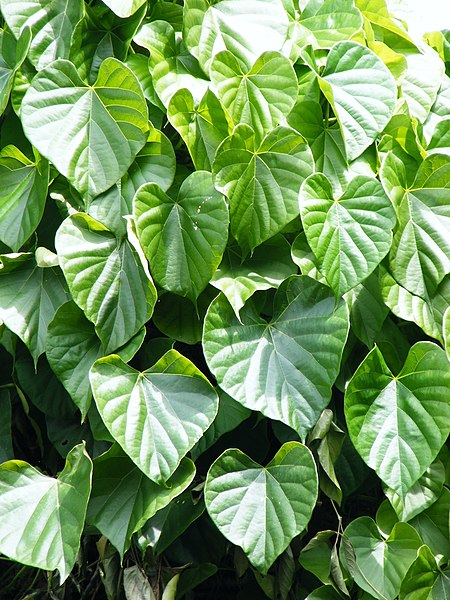
Tinospora cordifolia
Bratawali (Tinospora cordifolia)
Image from Wikimedia.org

Bratawali (Tinospora cordifolia) is a well known plant in Indonesia. Bratawali is often used as jamu paitan, or Javanese traditional herbal drink, which has a bitter taste. When making jamu paitan, the stems extract of bratawali, is often mixed with mint leaves.

Common bratawali names include, brotowali, putrawali, daun gadel (Javanese), andawali (Sundanese), antawali (Balinese), shen jin teng, kuan jin teng (Chinese), guduchi, guluchi, amritavalli, amrta, cinnodbhava, gulvel (India). Bratawali is common used in Ayurvedic, and Traditional Chinese Medicine (TCM), as a herbal remedy.

The Javanese's jamu paitan makers often promote bratawali, as a herbal remedy for lowering the risk of having diabetes, and also as a blood cleansing agent. Below are some studies which demonstrated the effects of bratawali.

Animal Studies

Study by Department of Anatomy, Faculty of Medicine, Universiti Kebangsaan Malaysia, Kuala Lumpur, Malaysia, was conducted to determine the effect of ethanolic extract of the dried stems of bratawali, in a male rat model of hepatic fibrosis, caused by the hepatotoxin, thioacetamide.

The results showed a significant increase in the activity of liver enzymes, bilirubin and G-glutamyl transferase and gross. The histopathological changes were also determined. (Kadir FA, et al. 2011)

Diabetes mellitus often leads to disability from vascular complications and neurological complications. A study by Institute of Pharmacology, College of Medicine, National Taiwan University, Taipei, Taiwan, was investigated the hypoglycemic actions of borapetoside C isolated from bratawali.

Three groups of mice were used in the study, normal mice, type 1 diabetes mellitus mice, and type 2 diabetes mellitus mice. Overall, the study proved that borapetoside C can increase glucose utilization, delayed the development of insulin resistance and enhanced insulin sensitivity.

The activation of IR-Akt-GLUT2 expression, and the enhancement of insulin sensitivity, may contribute to the hypoglycemic action of borapetoside C, in diabetic mice. (Ruan CT, et al. 2012)

Recent follow up study by Ruan CT, et al. aimed to explore the hypoglycemic effects of borapetoside A, the most active diterpenoid among others (borapetosides B, and C), which isolated from the ethanol extract of bratawali.

The study resulted that borapetoside A was shown to increase the glycogen content and decrease the plasma glucose concentration, in a concentration, or dose-dependent manner, both in vitro, and in vivo.

The hypoglycemic effects in the normal mice, and the mice with type 2 diabetes mellitus were associated with the increases of the plasma insulin levels. But, the insulin levels remained unchanged in the mice with type 1 diabetes mellitus. (Ruan CT, et al. 2013)

A study by Department of Physiology, Faculty of Science, Prince of Songkla University, Hat-Yai, Songkhla, Thailand, was aimed to identify the active components of bratawali extract, and to investigate the mechanisms of the actions, on blood pressure, and heart rate, in anesthetized rats.

Five active compounds, adenosine, uridine, salsolinol, higenamine, and tyramine, which were isolated from bratawali, acted in concert on the cardiovascular system of anesthetized rats. (Praman S, et al. 2012)

Follow up study by Praman S, et al. resulted that bratawali extract caused an increase in the force of contraction of the electrical field stimulated left atrium. The study concluded that crude extracts of bratawali exert a positive inotropic effect, on the electrical field stimulated isolated left atria.

The results were also from the concerted actions of five bratawali bioactive compounds: higenamine, salsolinol, tyramine, adenosine and uridine. (Praman S, et al. 2013)

Human Study

Although several studies using rats or mice were successfully, but not in human study. So far, I only managed to find a study by Department of Medicine, Ramathibodi Hospital, Faculty of Medicine, Mahidol University, Bangkok, Thailand. The study aimed to determine the effects of bratawali on serum glucose, and insulin levels, in healthy subjects, and patients with type 2 diabetes mellitus.

Serum from ten healthy subjects, and ten diabetic participants, who had fasted overnight. The serums were obtained every 30 to 60 minutes during the 3 hours of continued fasting, and during the 3 hours after ingestion of 75g of glucose. With or without ingestion of 125g, or 250g of bratawali dry powder capsule. Glucose, and insulin levels were analyzed. The areas under the curve for mean serum glucose, and insulin levels, were also calculated.

Both healthy and diabetic participants were not significantly different between with, or without bratawali dry powder capsule. The results suggested that bratawali ingestion cannot affect serum glucose, and insulin levels, in healthy subjects, or patients with type 2 diabetes mellitus. (Klangjareonchai T, et al. 2012)

Further studies using human subjects are needed to give more valuable information, in regarding the health benefits of bratawali.


biXa Guduchi Powder Sandhu's Guduchi

Plumbagin vs. Cancer

September 20, 2013

The blossoming flower of Plumbago zeylanica Linn.

Plumbago zeylanica Linn., or known as daun encok, in Bahasa Indonesia, is an African wild bush that can grow near a river, and highlands up to 800 m asl. Plumbago zeylanica has been used as folk medicine, in Ayurveda, and Traditional Chinese Medicine (TCM). Plumbago zeylanica is believed to be originated from Sri Lanka. (Sentra Informasi IPTEK)

Plumbago zeylanica is also known by many common names, such as, Ceylon leadwort, doctorbush, white flowered leadwort (English), chitrakmool, citrak, agni, chitra, chitraka (India, Pakistan), bama (Balinese), ki encok (Sundanese), godong encok (Javanese), kareka (Maduranese), ceraka (Sumatera), and oporie (Timor Leste).

Several studies have indicated that plumbagin (5-hydroxy-2-methyl-1,4-naphthoquinone), compounds isolated from the roots of Plumbago zeylanica, possess antifertility, anticancer, antidiabetic, anti-bacterial, and anti-inflammatory activities. Moreover, plumbagin have been proven to possess anti-tumor activity both, in vitro, and in vivo.

The roots of Plumbago zeylanica have been used in Ayurveda for more than 2500 years ago, as an anti-atherogenic (helps manage healthy cholesterol, and triglyceride levels), cardiotonic (a cardiac stimulant, which acts as a stimulant of the heart), hepatoprotective (an antihepatotoxicity, the ability to prevent damage to the liver), and neuroprotective (the ability to exert a destructive, or poisonous effect upon nerve tissue) agent.

Plumbagin and Leukemia

An in vivo study by Institute of Hematology, Beijing, China, was aimed to investigate the anticancer effect of plumbagin, using human promyelocytic leukemia (a cancer of the blood forming tissue) cells, NB4, in NOD/SCID (Non Obese Diabetic/ Severe Combined Immunodeficiency) mice. The study was observed the incidence of formation, growth characteristics, body weight, and volume of tumors.

The results showed that intraperitoneal injection (IP injection, the injection of a substance into the peritoneum, or body cavity)of plumbagin (2mg/kg body weight) daily, for three weeks, resulted to a 64.49% reduction of tumor volume.

Moreover, there was no side effects, such as, weight loss, tissue damage, and behavior change, which appeared in doxorubicin (adriamycin, a chemotherapy drug given to treat many different types of cancer) treated mice. The results indicated that plumbagin has potential as a novel therapeutic agent for myeloid leukemia. (Xu KH, et al. 2010)

Plumbagin and Gastric Cancer

A study which aimed to investigate the effects of plumbagin, on human gastric cancer cells (SGC-7901, MKN-28, and AGS), had resulted that 10 μmol/L of plumbagin managed to controll the expression of NF-κB gene products, including IAP1 (Inhibitor of Apoptosis Protein 1), XIAP (X-linked Inhibitor of Apoptosis Protein), Bcl-2 (B-cell lymphoma 2), Bcl-xL (B cell lymphoma extra long), TF (Tumor Factor), and VEGF (Vascular Endothelial Growth Factor).

DR WAKDE'S Chitrak Capsules

The study concluded that plumbagin managed to inhibit cell growth, and have potentially apoptosis, in human gastric cancer cells, through the NF-κB pathway. (Li J, et al. 2012)

Plumbagin and Skin Cancer

Two types of skin cancer are basal cell carcinoma, and squamous cell carcinoma. Squamous cell carcinoma may occur in normal skin, or in skin that has been injured, or inflamed. A study at University of Wisconsin, Madison, WI, USA, presented the application of non toxic doses (100-500 nmol) of plumbagin, which managed to inhibit the development of squamous cell carcinomas, in ultraviolet radiation induced mice.

During the period of the experiment, mice were gained weight and did not exhibit any signs of toxicity. The study suggested that plumbagin may be used as a novel agent for the prevention of skin cancer. (Sand JM, et al. 2012)

Plumbagin and Pancreatic Cancer

Pancreatic cancer is the most aggressive malignant disease, in which became the fourth most leading cause of cancer related death among men, and women, in the United States. Another study at University of Wisconsin, demonstrated the effect of plumbagin against pancreatic cancer cells (PANC1, BxPC3 and ASPC1) in mouse model.

The IP injection of plumbagin (2 mg/kg body weight), for 5 days, in SCID mice, which began three days after the implantation of PANC1 cells, had resulted in a significant inhibition of both tumor weight, and volume. The study suggested that plumbagin, which had shown to inhibit the growth of pancreatic cancer cells, both in vitro, and in vivo model systems, may be used as a novel therapeutic agent against human pancreatic cancer. (Hafeez BB, et al. 2012)

Plumbagin and Prostate Cancer

Recent study by Bilal Bin Hafeez, which was indexed in PubMed, seven months later, after the previous study, presented that plumbagin inhibits growth, and metastasis of human prostate cancer (PC-3M-luciferase cells) in mouse model. The study suggested that plumbagin could be used as a therapeutic agent for the prevention, and treatment of human prostate cancer, because managed to inhibits tumor growth, and metastasis of human prostate cancer, PC3-M-luciferase cells. (Hafeez BB, et al. 2013)

HerbsForever Chitrakmool Powder

Plumbagin and Lung Cancer

Recent study at Nanjing Medical University, Nanjing, China, had demonstrated the effects of plumbagin on proliferation (rapid reproduction of a cell, part, or organism), and apoptosis (the process of programmed cell death, or death of a cell in any form), in human non small cell lung cancer cell lines (A549, H292 and H460). All cancer cell lines were treated with various concentrations of plumbagin.

The study concluded that plumbagin managed to inhibit cell growth, and induce apoptosis, in human lung cancer cells, through inactivation of NF-κB (nuclear factor-kappaB, a protein complex that controls the transcription of DNA, in which regulates several genes associated with inflammation, proliferation, carcinogenesis, and apoptosis). (Xu TP, et al. 2013)

Plumbagin and Human Tongue Carcinoma

Recent study at Wuhan University, Wuhan, China, reported the inhibitory effect, and the underlying mechanism of plumbagin, on the growth of human tongue squamous cell carcinoma (Tca8113). The study resulted that plumbagin inhibited the growth, proliferation, and induced the apoptosis of Tca8113 cells, in vitro, in a concentration, and time dependent manner. (Qiu JX, et al. 2013)

Even though from several studies above, had shown that plumbagin inhibit the growth of human cancer cells, both in vitro, and in vivo model systems, but all studies were only using human cancer lines, in mouse model, and not in real cancer patients. Further studies are still needed to be demonstrated in real cancer patients.

Vidanga, The Therapeutic Agent for Osteoporosis, Diabetic and Cancer

April 29, 2013

Embelia ribes Burm.

Vidanga, or known botanically as Embelia ribes Burm., has been used as Ayurvedic herbs to treat fever, inflammatory diseases, and gastrointestinal ailments for thousands of years. Vidanga was first described by Nicolaas Laurens Burman, a Dutch botanist, in 1768.

Embelin (2,5-dihydroxy-3-undecyl-1,4-benzoquinone), an active compound derived from vidanga, has been shown to possess antitumor, anti-cancer, anti-diabetic, anti-inflammatory, analgesic, antioxidant, antihyperglycaemic, anthelmintic (drugs that expel parasitic worms from the body), antifungal, anticonvulsant (antiepileptic drugs), and cardioprotective properties.

The dried fruits of vidanga are mostly used as folk medicine by the Indian people, rather than its roots or its leaves. Vidanga is used to treat bronchitis, skin diseases, flatulence, migraine, cough, colic, constipation, and asthma. Vidanga is also useful for stamina booster and as an oral contraceptive. Due to its contraceptive effect, pregnant women are not allowed to take vidanga herb.

The Scientific Studies

Study had indicated that embelin is a novel nuclear factor-kappaB (NF-kappaB) blocker and potential suppressor of tumorigenesis. It is NF-kappaB which regulates several genes associated with inflammation, proliferation, carcinogenesis, and apoptosis. (Ahn KS, et al. 2007)

40 days of orally feeding aqueous vidanga extract, to streptozotocin induced diabetic rats, had produced significant decrease in heart rate, systolic blood pressure, blood glucose, blood glycosylated hemoglobin, serum lactate dehydrogenase, creatine kinase and the levels of pancreatic lipid peroxides.

The extract also significantly increased the levels of pancreatic superoxide dismutase, catalase and in blood glutathione levels. The study suggested that the aqueous vidanga extract had managed to exhibit a significant blood glucose, blood pressure lowering potential, and to enhance endogenous antioxidant defense against free radicals, which produced under hyperglycaemic conditions. (Bhandari U, et al. 2008)

Most cancer patients died not just because of the tumor in the primary organ, but because it has spread to other organs. Cancers, such as breast, myeloma, and prostate cancer, frequently metastasize (the spread of a cancer from one organ to another organ) to the bone.

NF-kappaB is also known as a major mediator of bone loss, which associated with cancer and other chronic inflammatory diseases. Study indicated that embelin had shown as an inhibitor of NF-kappaB and had great potential as a therapeutic agent for osteoporosis and cancer-linked bone loss. (Reuter S, et al. 2010)

Embelin had shown to reduce body weight gain, blood glucose, and plasma insulin, in the study using diabetic rats. The study suggested that embelin can be used in the prevention, and treatment of type 2 diabetes mellitus, caused due to obesity. (Gandhi GR, et al. 2013) Other study also suggested, that embelin can be used as a potential therapeutic candidate, for the prevention and treatment of prostate cancer. (Kim SW, et al. 2013)

Two vidanga products that are sold by Bazaar of India on Amazon.com:

Vidanga Herb Powder Wildcrafted Vidanga - Embelia ribes, 120 vegicaps

The Father of All Foods

April 22, 2013

Medicago sativa

Alfalfa, or known as lucerne, is native to Europe. Alfalfa was introduced into the US by way of South America about 1850. Alfalfa is known as Father of all foods due to contain many nutrients and micronutrients in high concentrations when compared to most sources other foods.

Alfalfa, or known botanically as Medicago sativa Linn., has long been used as traditional herbal medicine in China, Iraq, Turkey, India and America to treat several diseases. In Traditional Chinese Medicine, alfalfa leaves is used to treat kidneys and digestive tract disorders. In Ayurvedic medicine, the leaves is used to treat poor digestion. Sprouts, and seeds of Alfalfa are also used to make as folk medicine.

Recent pharmacological study reported that alfalfa may used as neuroprotective, hypocholesterolemic, antioxidant, antiulcer, antimicrobial, hypolipidemic, and estrogenic. Alfalfa may also useful to treat atherosclerosis, heart disease, stroke, cancer, diabetes and menopausal symptoms in women. (Bora KS, et al. 2011)

Alfalfa seeds contain L-Canavanine, a nonprotein amino acid, which has shown antineoplastic activity against carcinomas and cancer cell lines. The study has shown this active anticancer agent in ten varieties of alfalfa seeds, was comparable to the levels found in the seeds of representative members of the genus Canavalia. (Rosenthal GA, et al. 2000)

Taking alfalfa seeds are possibly effective to lower total cholesterol and low-density lipoprotein (LDL) cholesterol in people with high cholesterol levels. But insufficient evidence to rate alfalfa effectiveness for kidney, bladder, and prostate problems. Also more evidence is needed to rate alfalfa for asthma, arthritis. diabetes, upset stomach and other conditions.

There is some evidence that alfalfa can boost the immune system. But, taking long-term of alfalfa is likely to be unsafe. Alfalfa may cause reactions, which are similar to the autoimmune disease called Systemic Lupus Erythematosus (SLE), such as:

  • Malar rash (butterfly rash), red spots on the face.
  • Discoid rash, coin-shaped red spots.
  • Photosensitive, light sensitive.
  • Mucus membrane ulcers, ulcers in the mucous membranes of the body (acute ulcer).
  • Arthritis.
  • Pleuritis / pericarditis, inflammation of the lining of the lung & heart.
  • Kidney disorders.
  • Disorders of the brain.
  • Abnormalities of blood.
  • Immune system abnormalities.

Alfalfa contains large amounts of vitamin K, which is used by the body to help blood clot. But, alfalfa might interfere with the way of the body takes in and uses vitamin E. Alfalfa might lower blood sugar levels. But if you are a diabetic patient and taking alfalfa, you should consider to always monitor your blood sugar levels. There is some evidence that alfalfa may act like estrogen. So, consuming alfalfa in larger amounts than food is possibly unsafe during pregnancy and breast-feeding. (Natural Medicines Comprehensive Database)

Alfalfa Concentrated Drink by PT. BOS

Alfalfa has also been sold widely in the internet as food supplements, both in capsule, powder or liquid form. I had been sold and used Alfalfa Concentrated Drink, the second best product with Bio Activated Energy by PT. BOS, an MLM company.

I used above Alfalfa Concentrated Drink to treat my stomach problems, and to stop bleeding on my daughter's small finger, when she tried to help my mom to cut carrots, and a knife sliced off her small finger. I took Alfalfa Concentrated Drink to put on my children's forehead when they got fever, and also to put it on all my body, to relieve the pain of heat, I suffered from measles.

I found Alfalfa Concentrated Drink was also effective to treat eczema and other itchy rash on the skin. For every 15ml, from the total of 500ml Alfalfa Concentrated Drink, contains 150mg of alfalfa (Medicago sativa), and ozone water. The recommended dose for using Alfalfa Concentrated Drink is a spoonful, or 5ml of Alfalfa Concentrated Drink to add on 300ml of drinking water everyday.

It is said that a spoonful of Alfalfa Concentrated Drink, is the same with a Kg of green vegetables. The over use of Alfalfa Concentrated Drink might cause troubles on digestion system. There is no warning that Alfalfa Concentrated Drink is forbidden to use everyday for a long period. Infact, it is adviseable to take it everyday as food supplements.

So, many benefits I have got from using Alfalfa Concentrated Drink, either for internal or external use. Even though the use that is written on the box and the bottle of Alfalfa Concentrated Drink, is only said to help lowering blood cholesterol.

Below are some alfalfa products that are sold on Amazon.com:

Nature's Way Alfalfa Leaves NOW Supplements Alfalfa 650 mg

Punarnava, The Anti-cancer and Anti-diabetic Weeds

March 21, 2013

Boerhaavia diffusa

Punarnava, or known as Boerhaavia diffusa Linn. has a long history of use in Ayurvedic herbal medicine, for the treatment of cancer, jaundice, dyspepsia, inflammation, enlargement of spleen, abdominal pain and as an anti-stress agent. Punarnava grow as weeds, and their origin have not been determined, because the plants are widespread in many places around the world.

Punarnava have so many common names, such as, erva toustao, hog weed, pig weed, atikamaamidi, djambo, etiponia, thazhuthama, thikri, katkatud, mamauri, ndandalida, oulouni niabo, touri-touri, punerva, purnoi, ghetuli, mahenshi, santi, spiderling, tellaaku, tshrana, biskhapra, and etc. But, according to Ayurveda, the Indian people had been used the roots, leaves and seeds of punarnava as folk medicine.

Herbal medications based on the extract of punarnava roots are also sold in several online Ayurvedic shops. Just like what I have found here on Amazon.com.

Banyan Botanicals Organic Punarnava Powder

Also a beauty product which contains the extract of punarnava.

VLCC Punarnava Astringent 100ml

The Scientific Studies on Anti-cancer and Anti-diabetic Properties of Punarnava

Anti-cancer

Punarnavine, an alkaloid derived from Boerhaavia diffusa, is believed to be an anti-cancer agent. The study has indicated that punarnavine could enhance the immune response, and inhibit the metastatic progression of B16F-10 melanoma cells in mice. (Manu KA, et al. 2007) Moreover, the extract from the whole plant of punarnava also possess radioprotective effect against gamma radiation induced damage in mice. (Manu KA, et al. 2007)

Boeravinones, compounds isolated from the roots of punarnava, have been found potentially to inhibit the drug efflux activity of BCRP (breast cancer resistance protein), a multidrug transporter responsible for cancer cell resistance to chemotherapy. (Ahmed-Belkacem A, et al. 2007) Punarnava show antiproliferative and antiestrogenic properties against MCF-7 breast cancer cell lines, in which are potential in the treatment of breast cancer. (Sreeja S, et al. 2009)

Anti-diabetic

When compared to glibenclamide (anti-diabetic drug), the aqueous solution of punarnava leaf extract is shown more prominent result. A significant decrease in blood glucose and significant increase in plasma insulin levels.

The study is also shown a significant reduction of glycosylated haemoglobin and an increase the total of haemoglobin level, in normal and alloxan induced diabetic rats treated with punarnava leaf extract. (Pari L, et al. 2004) Another study to demonstrate the antihyperglycaemic and renoprotective effect of punarnava in experimental diabetic rats, had shown better result when compared to the treatment using metformin (hypoglycaemic drug). (Singh PK, et al. 2011)

Chinese Antitumor Herbal Drugs (2)

March 01, 2013

Sophora subprostrata Sophora flavescens
Sophora subprostrata Sophora flavescens Ait

The rhizome of Sophora subprostrata and Sophora flavescens Ait are also used as herbs in TCM. The alkaloids isolated from the root are known as matrine, oxymatrine, and sophocarpine, in which all of them possess anticancer activities.

Matrine derived from Sophora flavescens Ait, which is widely used to treat diseases such as viral hepatitis, cardiac arrhythmia and skin inflammations, possesses strong antitumor activities in vitro and in vivo. (Ma L, et al. 2008)

Matrine is found successfully induced the apoptosis and inhibited the in vitro and ex vivo in the growth of human lung cancer A549 and hepatoma SMMC-7721 cells. (Zhang Y, et al. 2009)

Sophora subprostrata also called Sophora tonkinensis or Sophora tetraptera, was first recorded in the Kaibao Bencao (973 A.D.). Subprostrata is traditionally used to alleviate heat and toxin, to disperse swellings, for painful swelling in the throat, mouth, and gums, to clear lung heat, to alleviate constipation, and to resolve masses (including carcinoma).

Sophocarpine derived from the Genus of Sophora is also a potential antiarrhythmic (preventing irregularities or abnormal rhythms of the heart) agent. (Yang ZF, et al. 2011)

Trichosanthes kirilowii Maxim

Also known in English as Chinese cucumber. Trichosanthin, alkaloid isolated from the rhizome of Trichosanthes kirilowii Maxim, is used as TCM to drain heat and generate fluids, clear and drain lung heat, transform phlegm, moisten lung dryness, resolve toxicity and expel pus.

Trichosanthin also has abortifacient, antitumor, anti-HIV, and immunoregulatory functions. Trichosanthin may have potential therapeutic value for transplantation rejection and other inflammatory diseases. (Gong Q, et al. 2008)

Although trichosanthin might possible as a remedy for AIDS, but, these root extracts of Trichosanthes are extremely toxic, and self medication using the root extracts are not advised.

Strobilanthes cusia
Strobilanthes cusia

The leaf of Strobilanthes cusia, also known as Da Ching Yeh or Chinese Rain Bell, has been used in traditional Chinese medicine (TCM). This beautiful blooming shrub is also used as a garden plant. Based on pharmacological tests, indirubin, a compound derived from Strobilanthes cusia, has anticancer activity. (Li L, et al. 1993)

Strobilanthes cusia is used to treat influenza, epidemic cerebrospinal meningitis, encephalitis B, viral pneumonia, mumps, sore throat, aphthae, inflammatory diseases with redness of skin, and severe acute respiratory syndrome (SARS). The extract of Strobilanthes cusia leaves is also possessed antinociceptive (reducing pain sensations), anti-inflammatory and antipyretic effects.

Rabdosia rubescens
Rabdosia rubescens

The whole plant of Rabdosia rubescens, or also known as Dong Ling Cao, is used as herbs by TCM. Oridonin, a natural diterpenoid (hydrocarbons) purified from Rabdosia rubescens, managed to inhibit the growth of multiple myeloma (MM, U266, and RPMI8226), acute lymphoblastic T-cell leukemia (Jurkat), and adult T-cell leukemia (MT-1) cells. (Ikezoe T, et al. 2005)

In mouse experiments, the extract from Rabdosia rubescens suppressed breast cancer xenograft size and decreased the tumor vessel density. (Sartippour MR, et al. 2005)

The aqueous extract of Rabdosia rubescens, which has antiangiogenic activity, may demonstrated clinical efficacy as a treatment for advanced prostate cancer. (Meade-Tollin LC, et al. 2004)

The aqueous extract is also safe and effective for patients with chronic pharyngitis. (Ma Z, et al. 2011)

Cucumis melo Linn
Cucumis melo Linn

Also known as Muskmelon. Cucurbitacins, biochemical compounds derived from Cucumis melo, possess strong pharmacological properties, such as antitumor, anti-inflammatory, and hepatoprotective effects. Cucurbitacin B has a potential value for suppressing metastasis of human hepatoma cells. (Zhou X, et al. 2012)

Cucurbitacin B regulates immature myeloid cell differentiation and enhances antitumor immunity in patients with lung cancer. (Lu P, et al. 2012)

The combination Cucurbitacin B with chemotherapeutic agents, such as, docetaxel, or gemcitabine, can augment the antitumor and antiproliferative effects, in which inhibited the proliferation of MDA-MB-231 breast cancer cells in vitro. (Aribi A, et al. 2012)

This post is the second chapter from the previous post Chinese Antitumor Herbal Drugs.

Chinese Antitumor Herbal Drugs

February 26, 2013

Crotalaria sessiliflora

There are thousands of herbal drugs, which used for treating cancer in China. But most of them have not yet been studied. Nowadays, Traditional Chinese Medicine (TCM) is also become famous alternative treatment for cancer in my country of Indonesia.

Many patients who suffered from cancer, then turned their hopes for healing through alternative medication. Though all the hopes for healing are suppossed to be relied on the Lord, the one who give heal. But that is not closed for us to seek another alternative ways for our life span.

Below are some of plants which often used as antitumor drugs by TCM:

Cephalotaxus fortunei
Chinese Plum Yew

There two species of Chinese plum yew that are used as herbs, Cephalotaxus fortunei, and Cephalotaxus hainanensis. Only bark, root and twigs from plum yew tree which able to use as herbs. It is because of the active substance of harringtonine. Harringtonine is the antitumor agent that managed to inhibit the growth of P388 and L1210 leukemia (blood cancer) cells. (Kato T, et al. 1984)

Chinese Happy Tree
Chinese Happy Tree

It is also known as cancer tree, tree of life, or in Latin as Camptotheca acuminata Decne. The alkaloids isolated from the root, bark fruit, twigs, and leaves of happy tree are known as camptothecine. Camptothecin is a cytotoxic alkaloid which inhibits the DNA enzyme topoisomerase I (topo I). (Ye D, et al. 2012)

Indian Grass Lily
Indian Grass Lily

Known by the Botanical name as Iphigenia indica Kunth. Indian grass lily is a small perennial herb which is found in India and Nepal. Colchicine, a promising vascular disrupting agents in cancer therapy, is isolated in the bulb of Indian grass lily. (Crielaard BJ, et al. 2011)

Fresh White Turmeric Root by dICE

I had already described about white turmeric benefits in my previous post titled Zedoary, A Life Span For Cancer Patients. White turmeric (Curcuma zedoaria (Berg) Roscoe) possesses curcuminoids, active compounds which had antimetastatic, antitumor and antimigratory activities, in which able to give more life span to cancer patients. (Seo WG, et al. 2005)

Crotalaria sessiliflora
Purple Flower

It is also known as Crotalaria sessiliflora Linn. (Latin), Ye Baihe (China), Tanukimame (Japan), or Stalkless Blue Rattlepod. The alkaloids isolated in the whole plant are monocrotaline, which could be used for treatment of cervical, breast and rectum cancers.

Carrots vs Cancers

February 23, 2013

Carrots

Carrot (Daucus carota Linn) is a rhizome vegetable which contains high source of Vitamin A. Since I was just a kid, carrot had been promoted in the TV cartoon show by the character of Bugs Bunny, as the rabbit's favorite food.

Eating carrot is good for our eyes, due to rich in Vitamin A. But, have you ever wonder that carrots are able to use as cancer prevention?

Carrots are also considered as herb plant to treat several diseases. Carrots possess the highest sources antioxidant of carotenoids among other fruits and vegetables. Carotenoids, such as α-carotene, β-carotene, lycopene, lutein, zeaxanthin, and β-cryptoxanthin, have also been associated with protective effects against cancer.

By having a vegetarian will reduce the risk for cancers. A diet of carrots along with other green vegetables may help reduce the risk of developing colon cancer. (Slattery ML, et al. 2000) β-carotene and polyacetylenes in carrots, are also effective in the treatment of leukemia (blood cancer).

The 2011 study had shown that extracts from carrots can induce apoptosis (the process of programmed cell death, or death of a cell in any form) and cause cell cycle arrest in leukemia cell lines. (Zaini R, et al. 2011 & 2012) Carrots also have remarkable anti tumor activity against DMBA-induced skin cancer. (Zeinab RA, et al. 2011)

Daily intake of fresh carrot juice is effective to increase carotenoids and in reducing oxidative stress, in women previously treated for breast cancer. (Butalla AC, et al. 2012) Carrots also possess anticancer agent, in which had shown its significant increase in cell death, and decrease in cell proliferation against human colon (HT-29, Caco-2) and breast (MCF-7, MDA-MB-231) cancer cell lines. (Shebaby WN, et al. 2012)

But, daily intake of carrots should be limited, whether by eating raw or as a juice. If you are overconsumption, it can cause carotenosis, a condition where your skin turns orange.

Zedoary, A Life Span For Cancer Patients

February 18, 2013

Fresh White Turmeric Root by dICE

Last week, my wife bought a herbal supplement in capsul form which is made from extracts of the rhizome of zedoary. The supplement had cost my wife IDR 110K, because of the nurse who had promoted it to my wife and my neighbours at monthly housewife gathering. The nurse said that the zedoary supplement is useful for cancer preventing.

Zedoary (white turmeric), or in Latin known as Curcuma zedoaria (Berg) Roscoe, is a native plant from my own country of Indonesia. Zedoary has a fragrance of mango, but the taste is similar to ginger. Zedoary is also known as a source of terpenoids, or isoprenoids, large and diverse class of naturally occurring organic chemicals.

In Indonesia, zedoary, or temu putih in Bahasa Indonesia, is sometimes used as a spice in Indonesian cuisine, such as goat curry and chicken curry. But, temu putih is also considered as herb plants to treat scabies, rash, dyspepsia, disorders of the digestive tract, flatulence (excessive stomach or intestinal gas), diarrhea, and cancer. It is also is used as appetizer, tonic, blood purifier and for cosmetic industry.

In 1998, a study had resulted that curcuminoids, active compounds derived from Curcuma zedoaria, which were identified as curcumin, demethoxycurcumin, and bisdemethoxycurcumin, were demonstrated to be cytotoxic (quality of being toxic) against OVCAR-3 (human ovarian cancer) cells. (Syu WJ, et al. 1998)

Based on the experiment to test the anti metastatic (the spread of cancer to other parts of the body) effect of zedoary with B16 melanoma (tumor) cells, it had been proven that zedoary is useful in the inhibition of cancer metastasis. The study also indicated that zedoary possesses anti migratory (invasive) effects on B16 melanoma cells, in which will be able to give more life span to cancer patients. (Seo WG, et al. 2005)

The methanolic extract of the rhizome of Zedoary had resulted in the isolation of several anti inflammatory agents such as furanodiene, and furanodienone, in which were able to suppress the induced inflammation of mouse ears, by 75% and 53% at a dose of 1.0 μM. These results are comparable to indomethacin, a non steroidal anti inflammatory drug which is often used as anti inflammatory agent to reduce fever, pain, stiffness, and swelling. (Makabe H, et al. 2006)

In Japan, the rhizome of Curcuma zedoaria is used to treat hangover, loss of appetite and nausea. Recent study using blood alcohol concentrations of drunken mice, resulted in curcumenone, an active substance of Curcuma zedoaria, were able to decrease the level of blood alcohol concentrations by increasing liver alcohol dehydrogenase activity. (Kimura Y, et al. 2013)

Below are two products of 100% natural white turmeric powder for face and skin care.


White Turmeric Powder by mi nature White Turmeric Powder by MB Herbals

The Controversial Herb of Comfrey

January 31, 2013

Comfrey

Comfrey, or Symphytum officinale Linn, has been cultivated since about 400 BC, as a healing herb. Ancient Greeks and Romans used comfrey to stop heavy bleeding, to treat bronchial problems, to heal wounds and for broken bones. Poultices were made for external wounds and tea was consumed for internal ailments.

Controversy about the safety of comfrey for internal use is still debating, even though comfrey based herb also offers therapeutic benefits. Comfrey can only be used externally as a medicinal herb for the content of allantoin. Several scientific studies reported that comfrey may be carcinogenic, since it appeared to cause liver damage.

The Scientific Studies

A 23 year old man with hepatic veno-occlusive disease and severe hypertension, died from liver failure. He was a vegetarian, and because of his illness, took comfrey leaves which are known to contain poisonous compounds called pyrrolizidine alkaloids. (Yeong ML, et al. 1990)

Comfrey leaves extracts 20% with dose 25 and 40 ml/kg bw (body weight) have an effect of lowering male mice's blood sugar levels, in which comparable to chlorpropamide (a drug that is used to treat type 2 diabetes mellitus) suspension of 22.5 mg/kg bw. (Amrizal M. 1998)

From above study by Indonesian scientist, Amrizal, many Indonesian herbalists also claim that comfrey, or kompri in Bahasa Indonesia, is useful to treat diabetes mellitus. But, it will need further scientific evidence to convince that comfrey based herb, is safe for internal use.

The present study identifies p-DGA (phytochemical poly (3-(3, 4-dihydroxyphenyl)glyceric acid)) from Caucasian species of comfrey (Symphytum caucasicum), as a potent agent against human prostate cancer (PCA) without any toxicity, and supports its clinical application. (Sangeeta S, et al. 2012)

Comfrey root extract is used to treat muscle and joint complaints. It is proven to relieve pain, inflammation, swelling of muscles, arthritis, acute myalgia in the back, sprains, contusions and strains after sports injuries, also in children aged 3 years and older. (Staiger C. et al. 2012)

External Use Only

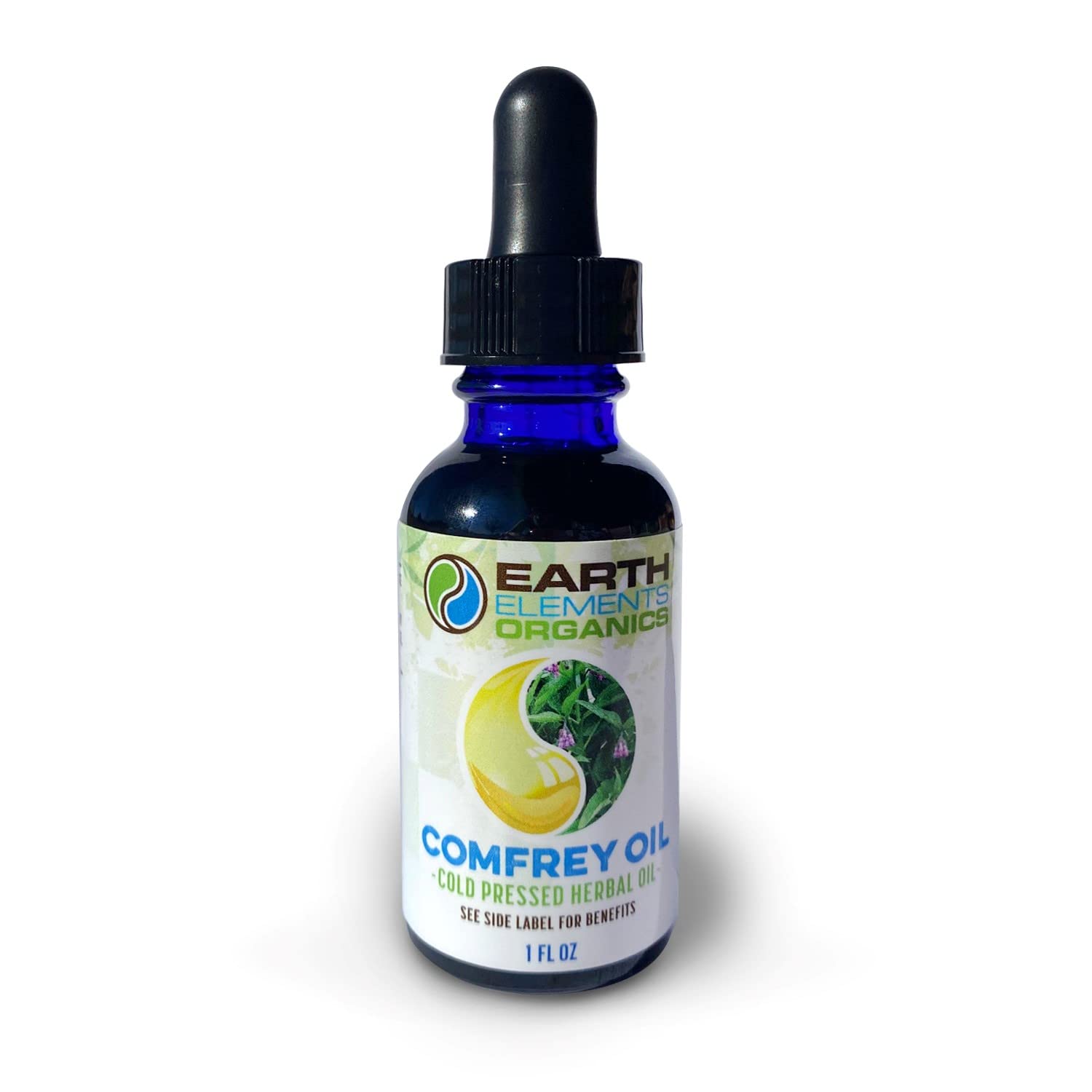
In 2001, the US Food and Drug Administration banned comfrey based products which intended for internal use. Here are some comfrey based products for external use I found on Amazon.


Earth Elements Organics Organic Comfrey Oil Dr. Christophers Formulas Comfrey Ointment


Reference:
T.M. Teynor, D.H. Putnam, J.D. Doll, K.A. Kelling, E.A. Oelke, D.J. Undersander, and E.S. Oplinger. (1997)
http://www.hort.purdue.edu/newcrop/afcm/comfrey.html

The Pain Killer Weeds

December 27, 2012

Nutgrass

My uncle who is known as an expert in alternative medication, was once used nutgrass to make his own herbs, which combined with his treatment of massaging.

Nutgrass, or in Latin, Cyperus rotundus Linn, is considered a pest plant, which also known as the world's worst weed. Even though it had already known as the major sources of weeds, but it had been used as folk medicine since many years ago.

Traditional Chinese medicine uses nutgrass, especially its root or rhizome as the primary herb component. Indian ayurvedic medicine uses the plant for treating fevers, and digestive system disorders.

Modern alternative medicine uses nutgrass to treat nausea, fever and inflammation. As for pain reduction and muscle relaxation, is based on the study about the oil derives from its fresh rhizome, had shown good analgesic (pain killer) effect.

Natural Pain Killer

To make nutgrass as your own home made herb, follow the steps!

Take fresh rhizome, clean it up using water. Slice it using a knife, but not too thin. So that the essential oil, which has the main benefit, is not boiled over.

Dry it up in an open place but avoid direct sunlight. Just place it your kitchen table, and stay it away from the sunlight.

After well dried, crush it up to make it powder. As your own home made herb, the last one you need is a glass of hot boiled water. Just like if you want to make a tea.

Leave it for awhile until it warm, and ready to drink without its residue.


References:

https://en.wikipedia.org/wiki/Cyperus_rotundus

Natural products: a safest approach for obesity.
Vasudeva N, et al. 2012

GC-MS analysis and analgesic activity of essential oil from fresh rhizoma of Cyperus rotundus.
Chen Y, et al. 2011


Translate This Blog

Sponsored Ads

Dnox's Crafter

Sustain Me by Barbara O’Neill

Murder by Injection: The Story of the Medical Conspiracy Against America by Eustace Clarence Mullins

The Big Bamboozle: 9/11 and the War on Terror by Philip Marshall

Want to start a new career as a quality assurance software tester? Join the greatest community of testers!
Learn. Earn. Connect.

Ready to become a freelance tester?
Work from anywhere!

Get paid for your opinion
Give brands a piece of your mind!

TheraICE Migraine Relief Cap

Eclat Vitamin C Face Serum

Earn money with Clickworker

Followers

About Me

My photo
" Let us not waste our health to look for treasure and then squandered our treasure to seek health " - Verdi

Web Statistics


Get your own flagcounter!

free counters

free counters

Project Hail Mary by Andy Weir

Why a Son Needs a Mom by Gregory E. Lang

Theo of Golden by Allen Levi

Misty Sunset & Tree Plant Picture

The Nightingale by Kristin Hannah

A Little Life by Hanya Yanagihara

ITO EN Oi Ocha Green Tea - Tea Bags 40ct

Minyak Kayu Putih Cap Lang